Upper Blepharoplasty
Upper blepharoplasty is surgery to address excess upper eyelid skin and changes in the eyelid crease or contour. It may help reduce hooding and create a more defined upper eyelid appearance.
WHO THIS MAY HELP
Who may benefit from upper blepharoplasty?
- Excess upper eyelid skin that causes hooding or folds over the eyelid crease, and in some patients may affect the upper visual field
- A poorly defined or altered eyelid crease, or upper eyelid fullness that may benefit from surgical adjustment
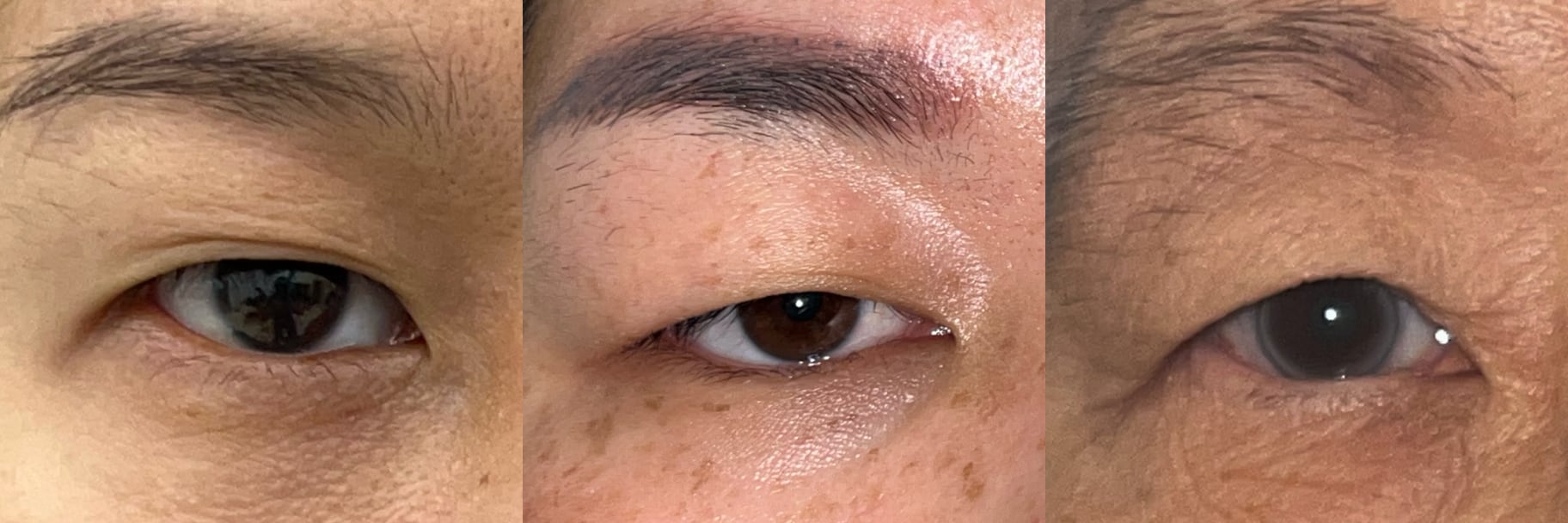
Suitability depends on the examination, medical history, eyelid function, and individual goals.
WHAT SURGERY CAN ADDRESS
What improvements can you expect?
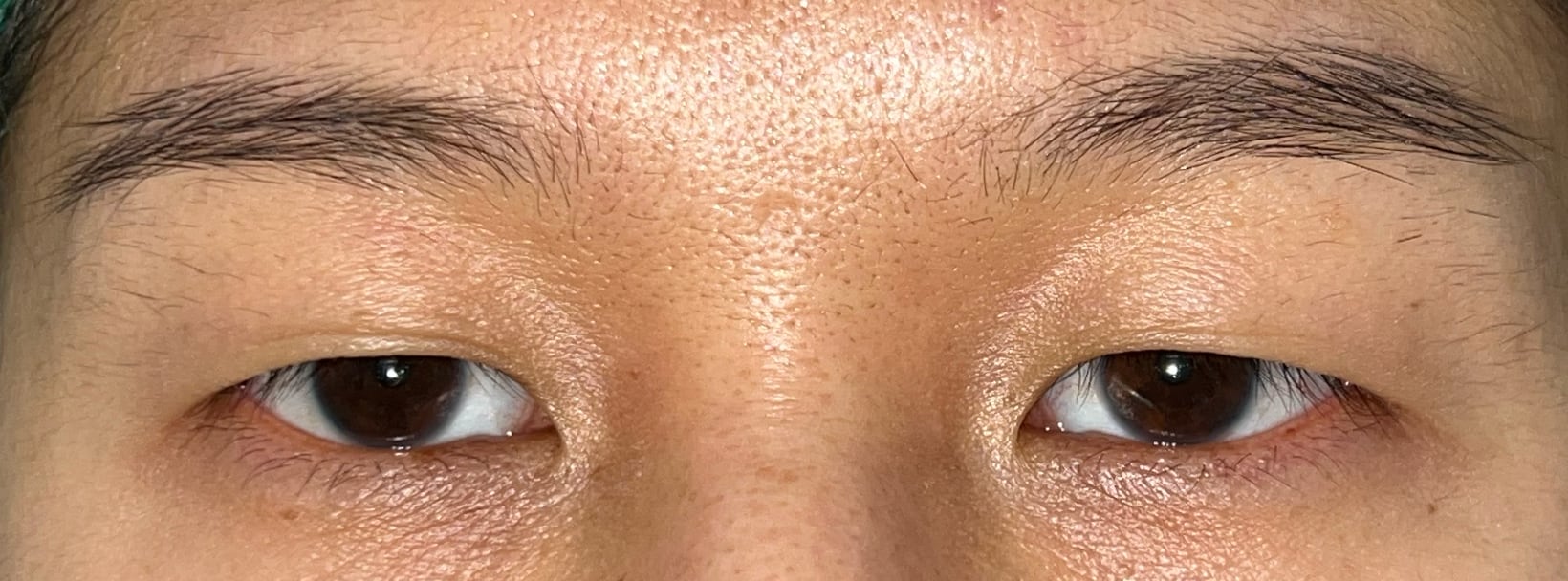 Before
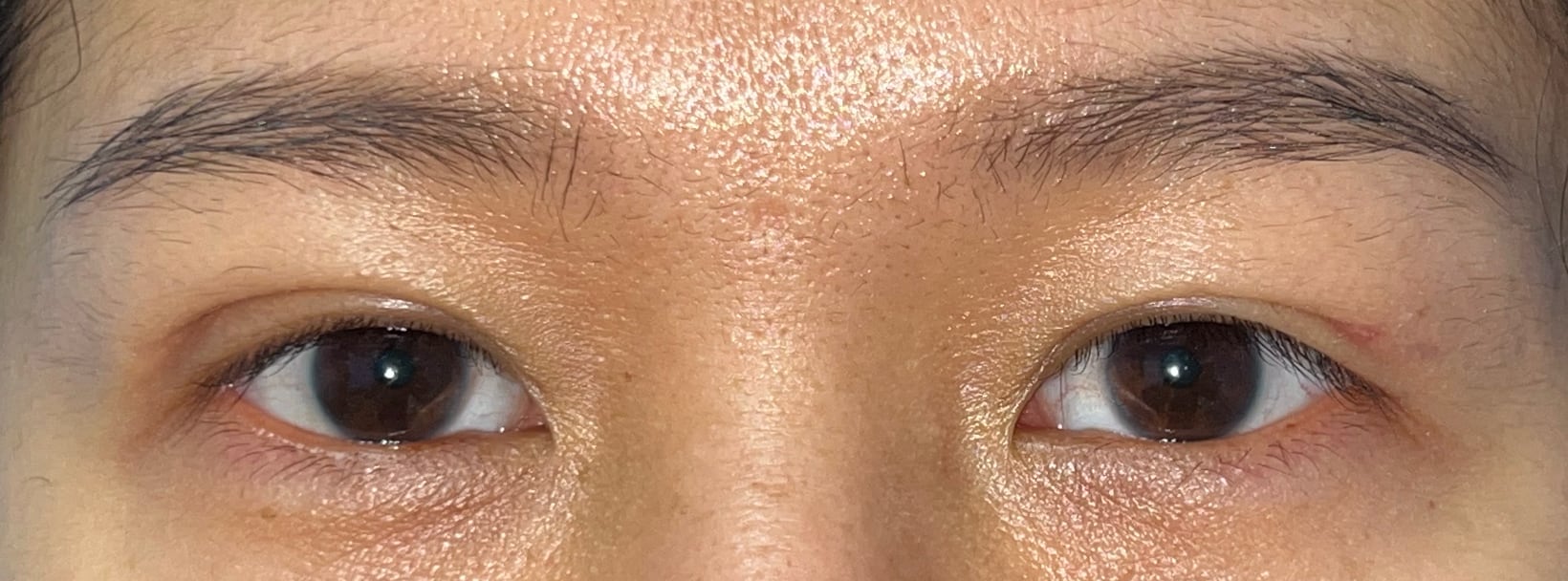 After · 4 months
Upper blepharoplasty · 4-month follow-up
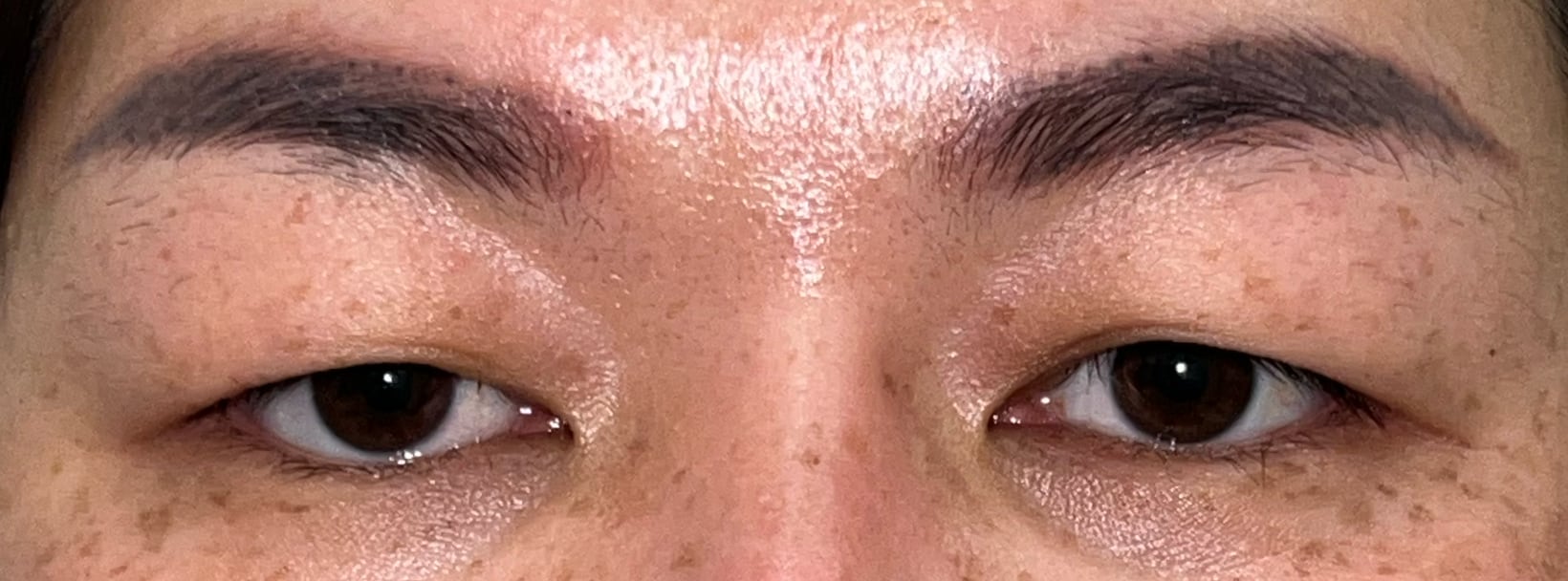 Before
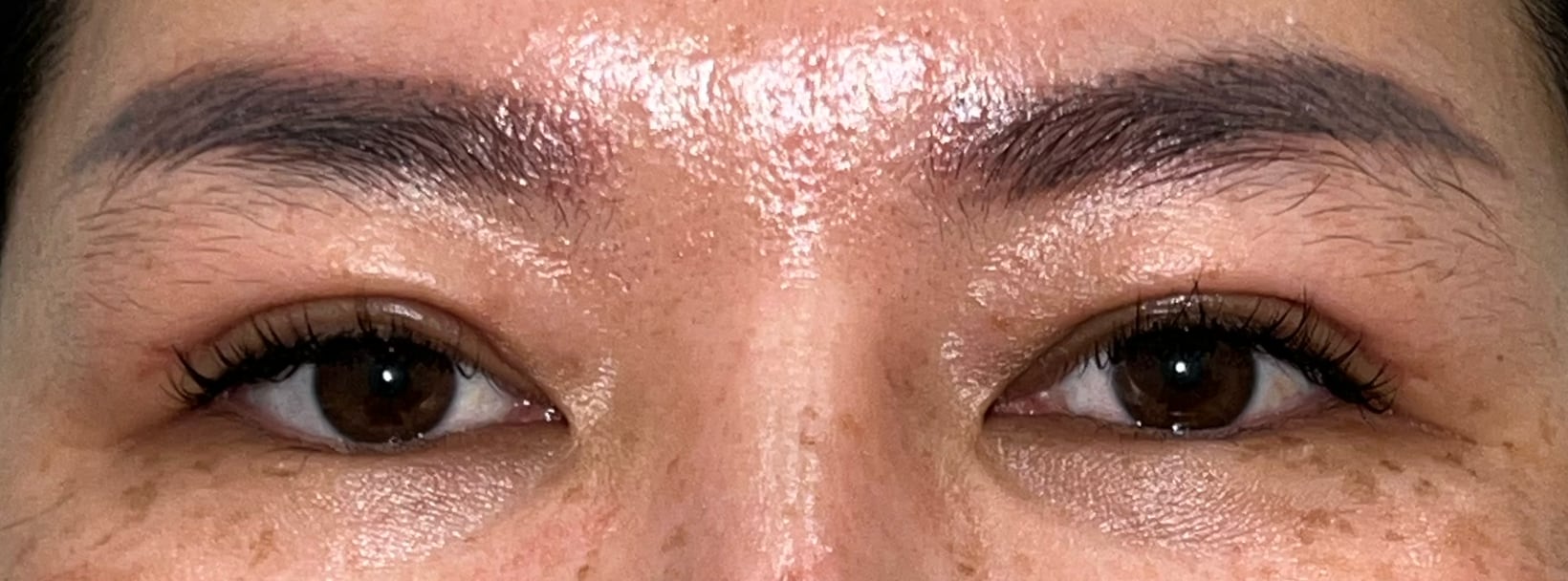 After · 2 months
Upper blepharoplasty · 2-month follow-up
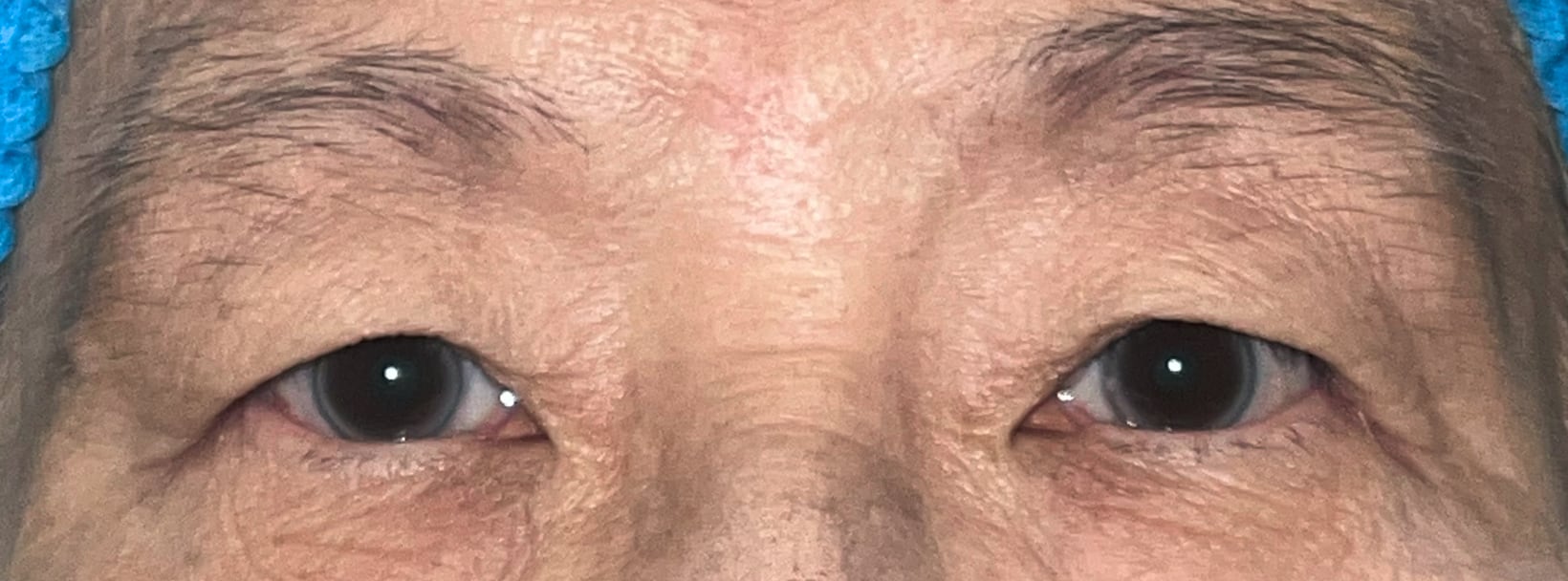 Before
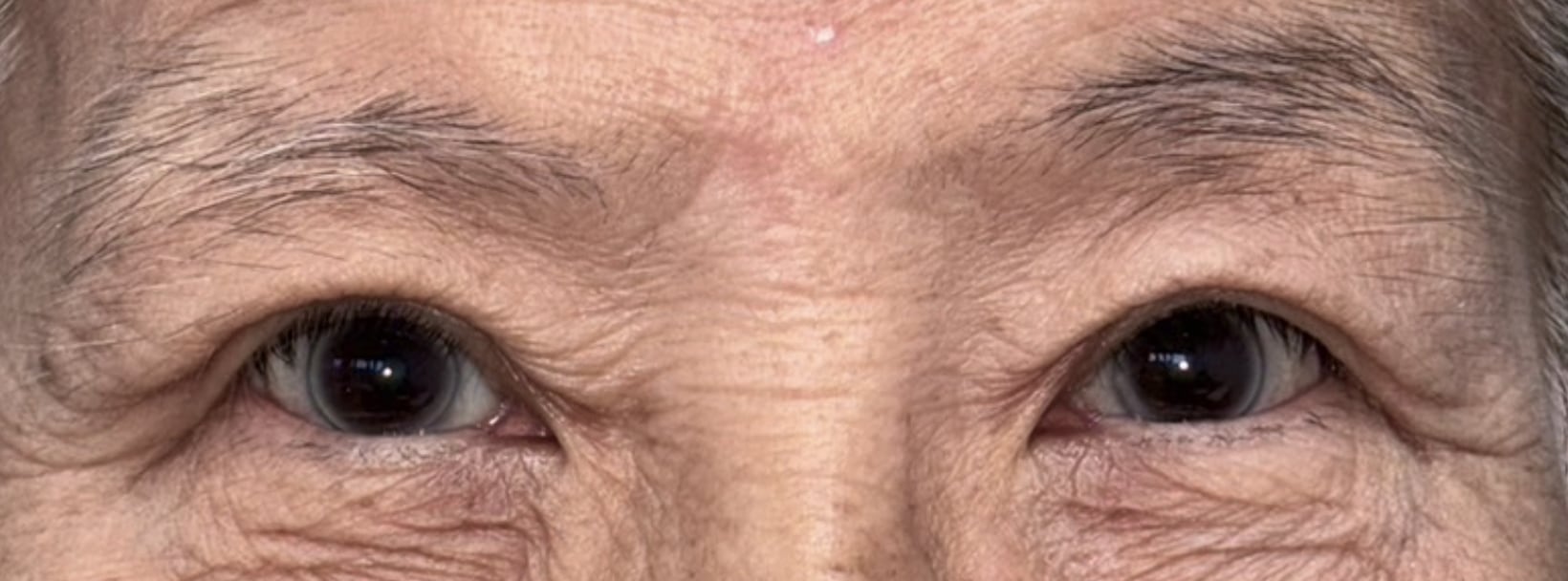 After · 3 months
Upper blepharoplasty · 3-month follow-up
The degree of improvement varies with individual anatomy. A particular eyelid shape, perfect symmetry, or correction of every cause of eyelid heaviness cannot be guaranteed.
WHAT HAPPENS DURING SURGERY
What does the operation involve?
In conventional upper blepharoplasty, the incision is generally placed within the natural upper eyelid crease. Excess skin is removed according to the surgical plan, and selected underlying tissue or fat may be adjusted when indicated. The incision is then closed with sutures.
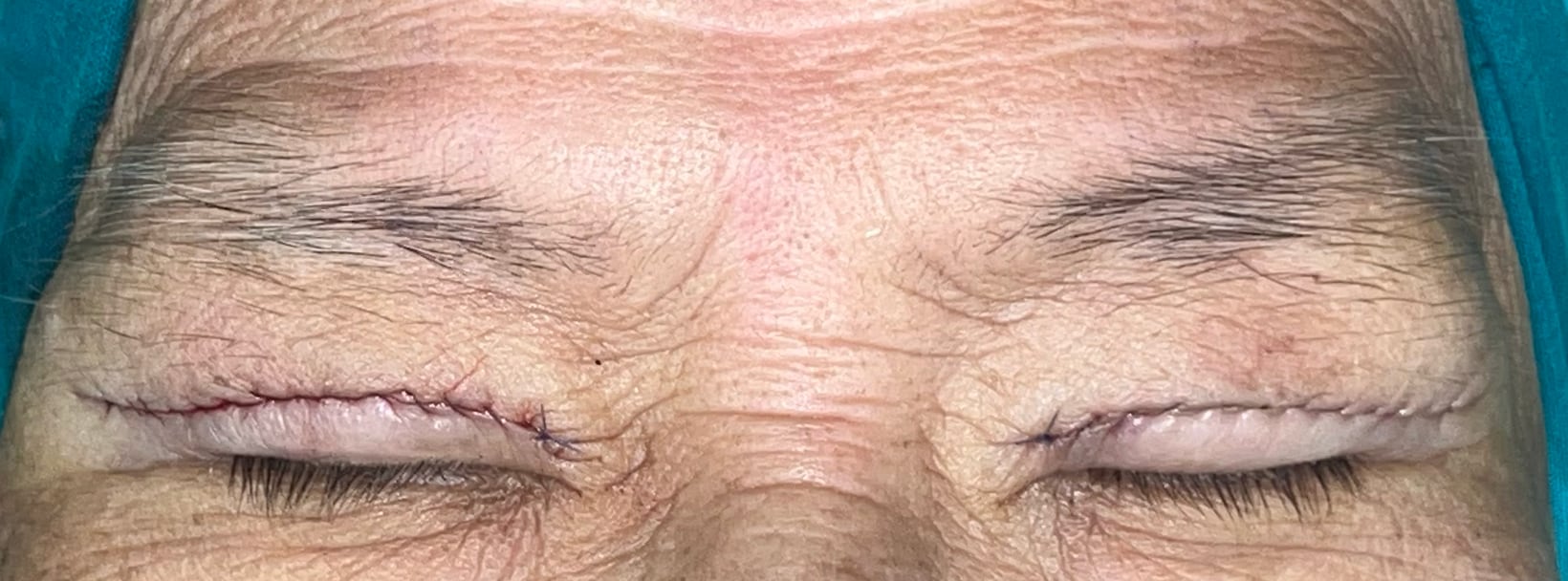
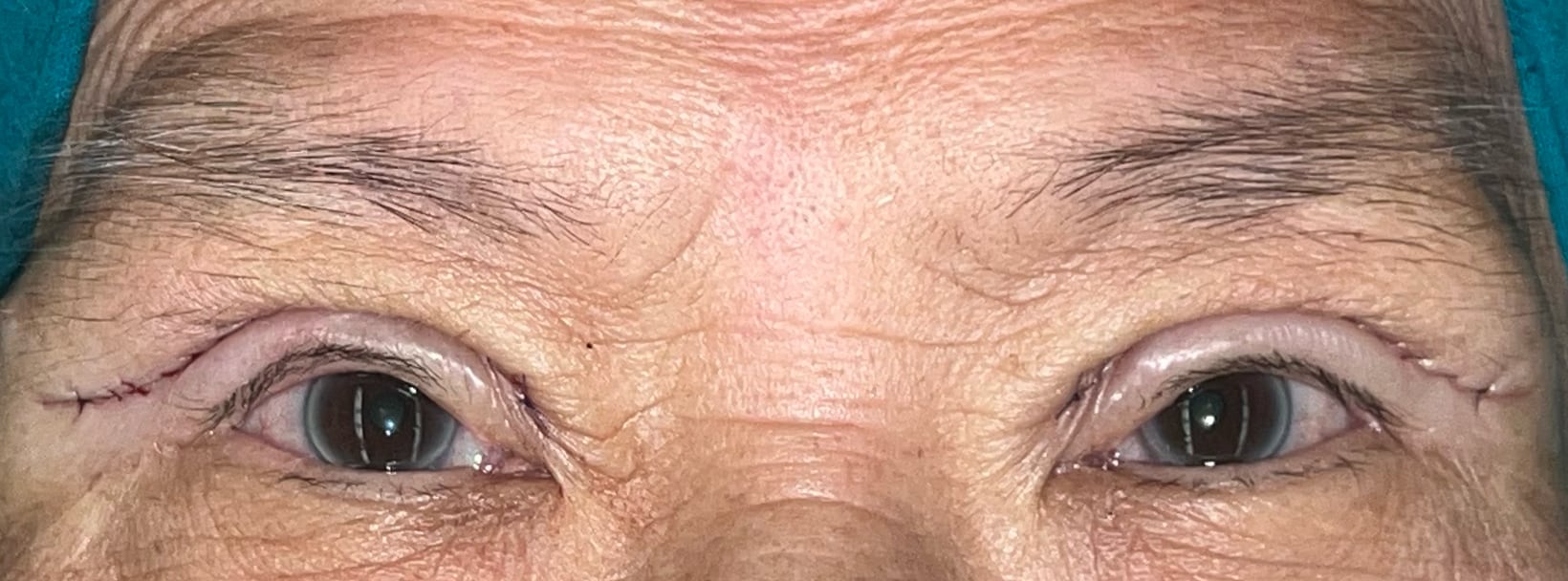
Immediate postoperative appearance may differ from the final healed result.
RECOVERY
Swelling and bruising improve gradually
Swelling, bruising, tightness, and temporary asymmetry are common during the early recovery period. The appearance continues to settle as swelling decreases and the scar matures.
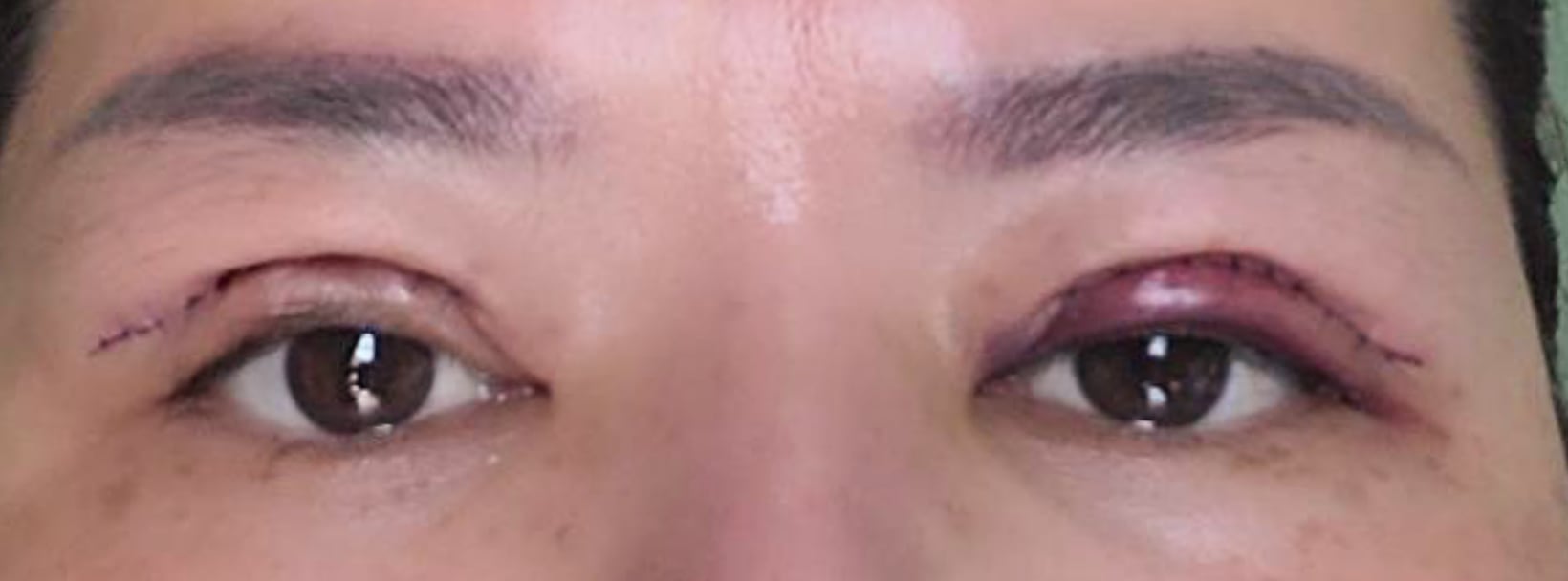
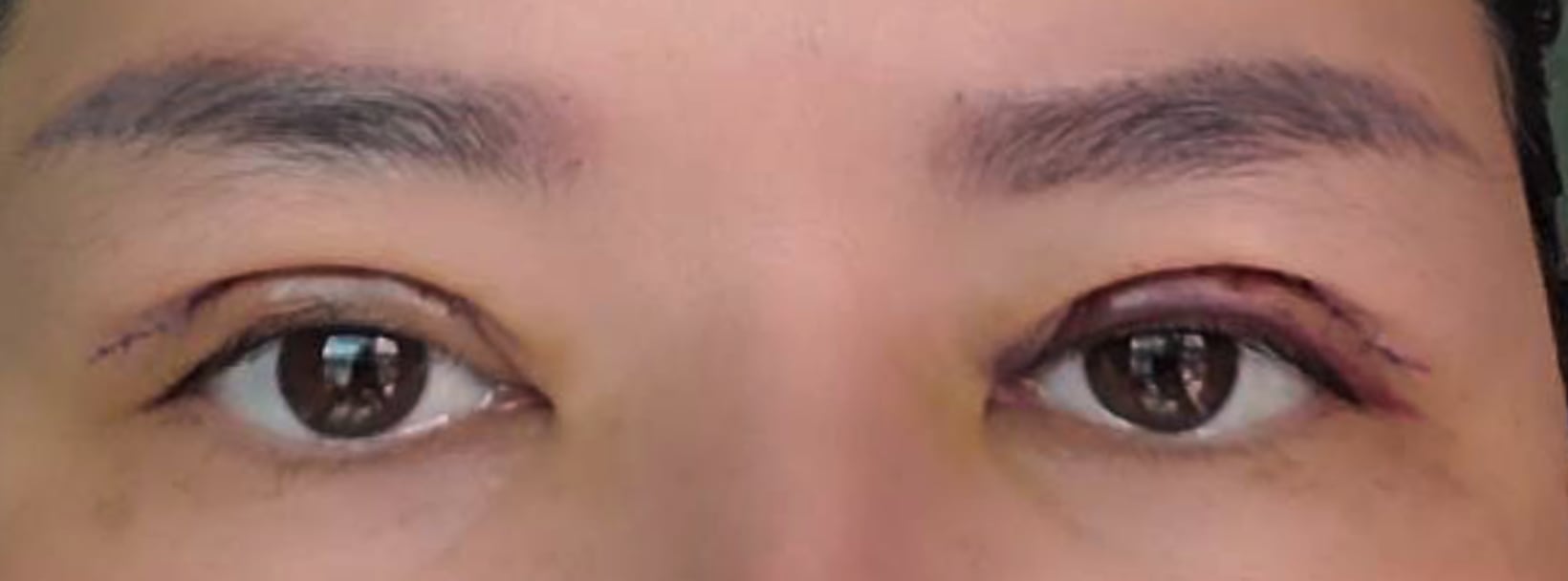
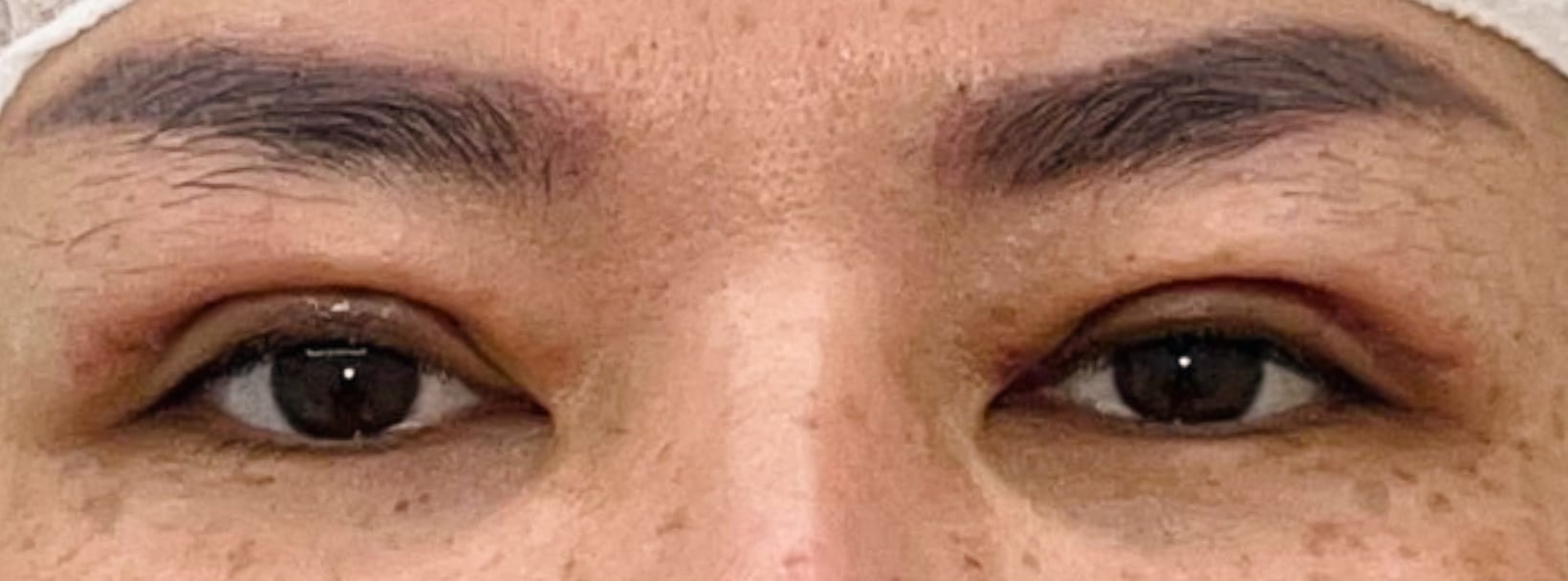
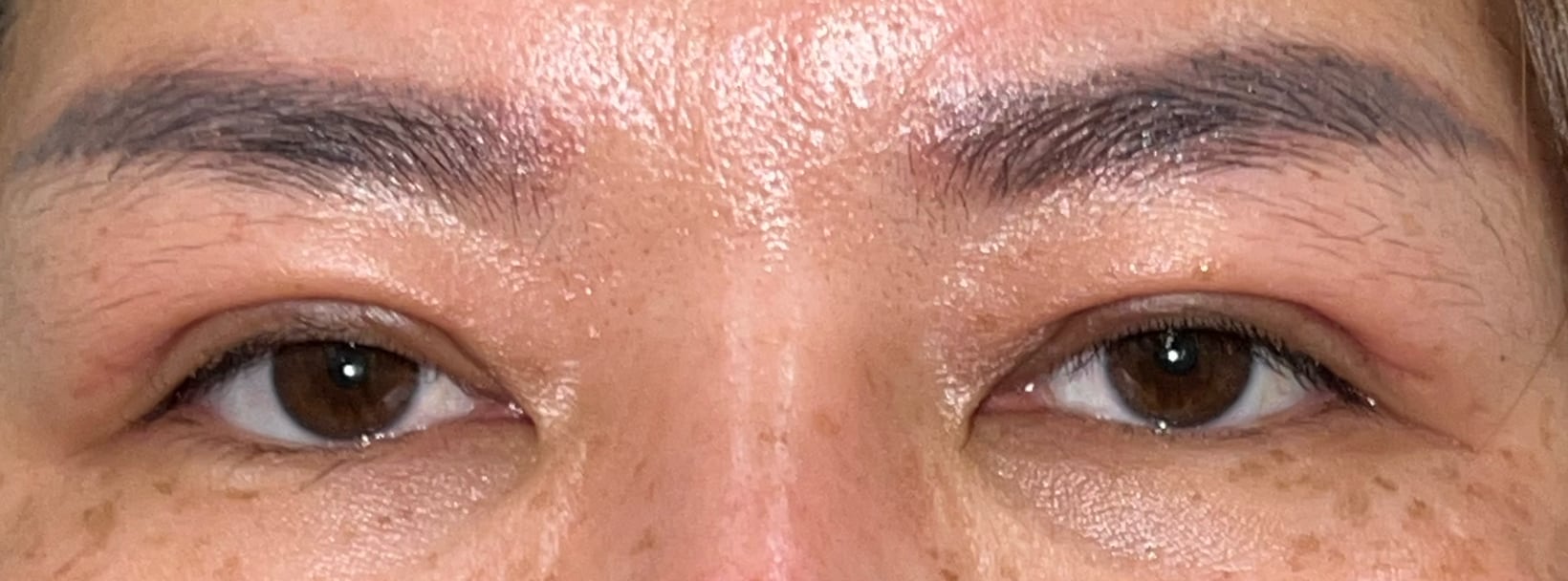
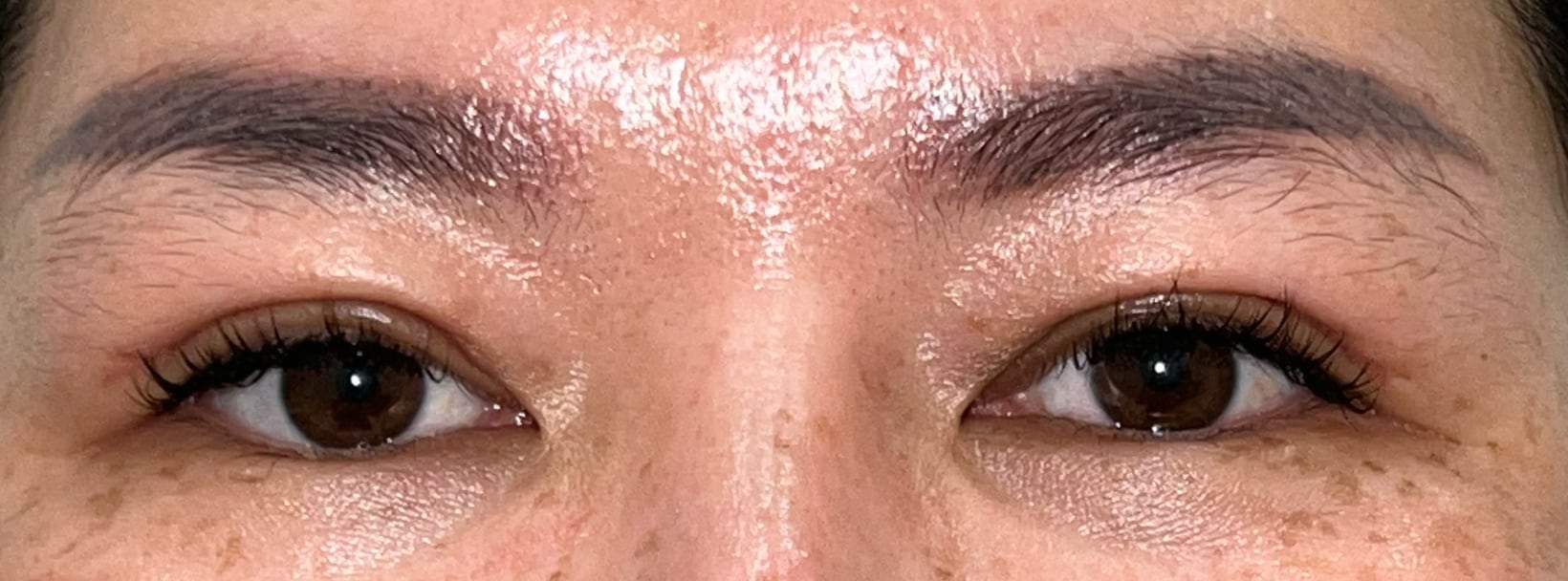
Recovery varies between patients. These images show one patient’s postoperative course from Day 2 to Day 60.
RISKS & LIMITATIONS
Understanding the risks and limitations
Potential considerations include swelling, bruising, scar visibility, asymmetry, dry-eye symptoms, eyelid-position changes, undercorrection, overcorrection, and the possibility of revision.
Upper blepharoplasty · 2-month follow-up
RELATED PATIENT RESULTS
See upper eyelid results in context
Each result includes the procedure performed and follow-up period to help place the photographs in clinical context.
View Patient ResultsRELATED PROCEDURES
Similar concerns may require a different operation
CONSULTATION
Discuss your upper eyelid concerns with Dr. Joe
A consultation allows your eyelid anatomy and concerns to be assessed, so the most appropriate treatment options can be discussed with you.
Request Consultation