Ptosis Surgery
Ptosis surgery is performed to improve a drooping upper eyelid when the eyelid margin sits lower than intended. Treatment aims to improve eyelid position by addressing the underlying problem with eyelid elevation while preserving eyelid closure and ocular surface protection.
WHO THIS MAY HELP
Who may benefit from ptosis surgery?
- The upper eyelid margin sits lower than normal, causing difficulty seeing or making the eyes appear sleepy or tired
- In some patients, ptosis can lead to compensatory brow or forehead elevation
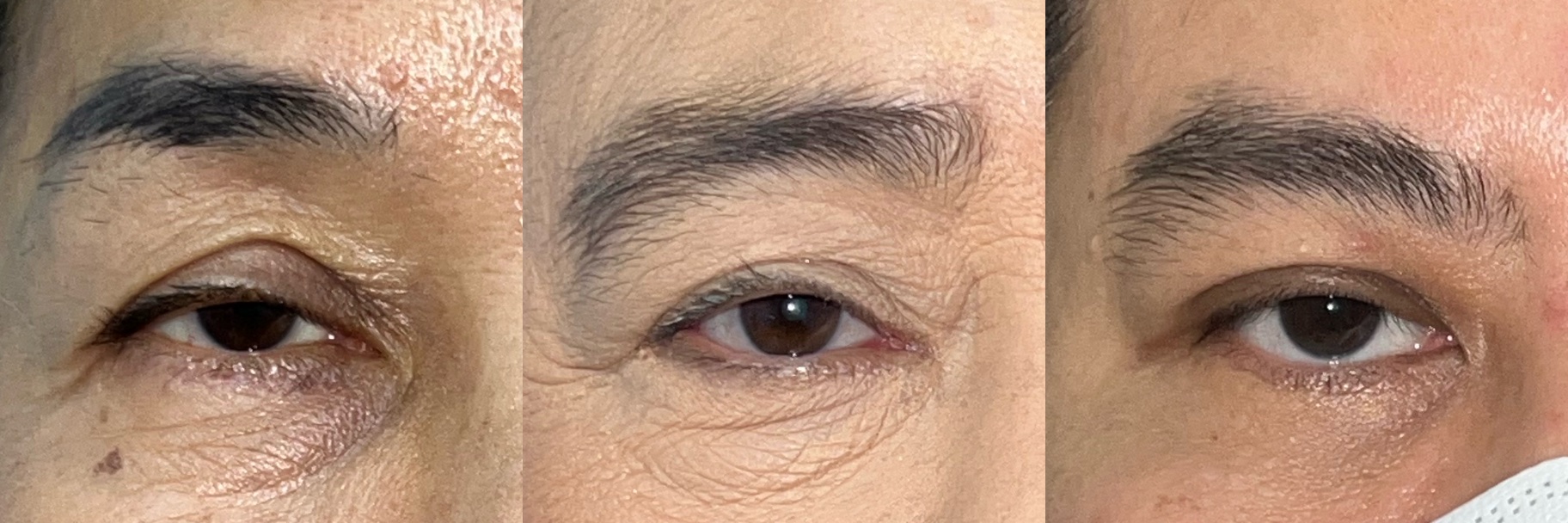
Suitability depends on the cause and severity of ptosis, levator function, eyelid closure, ocular surface health, medical history, and individual goals.
New or rapidly developing ptosis, especially with double vision, unequal pupils, or other neurological symptoms, requires prompt medical assessment.
WHAT SURGERY CAN ADDRESS
What improvements can you expect?
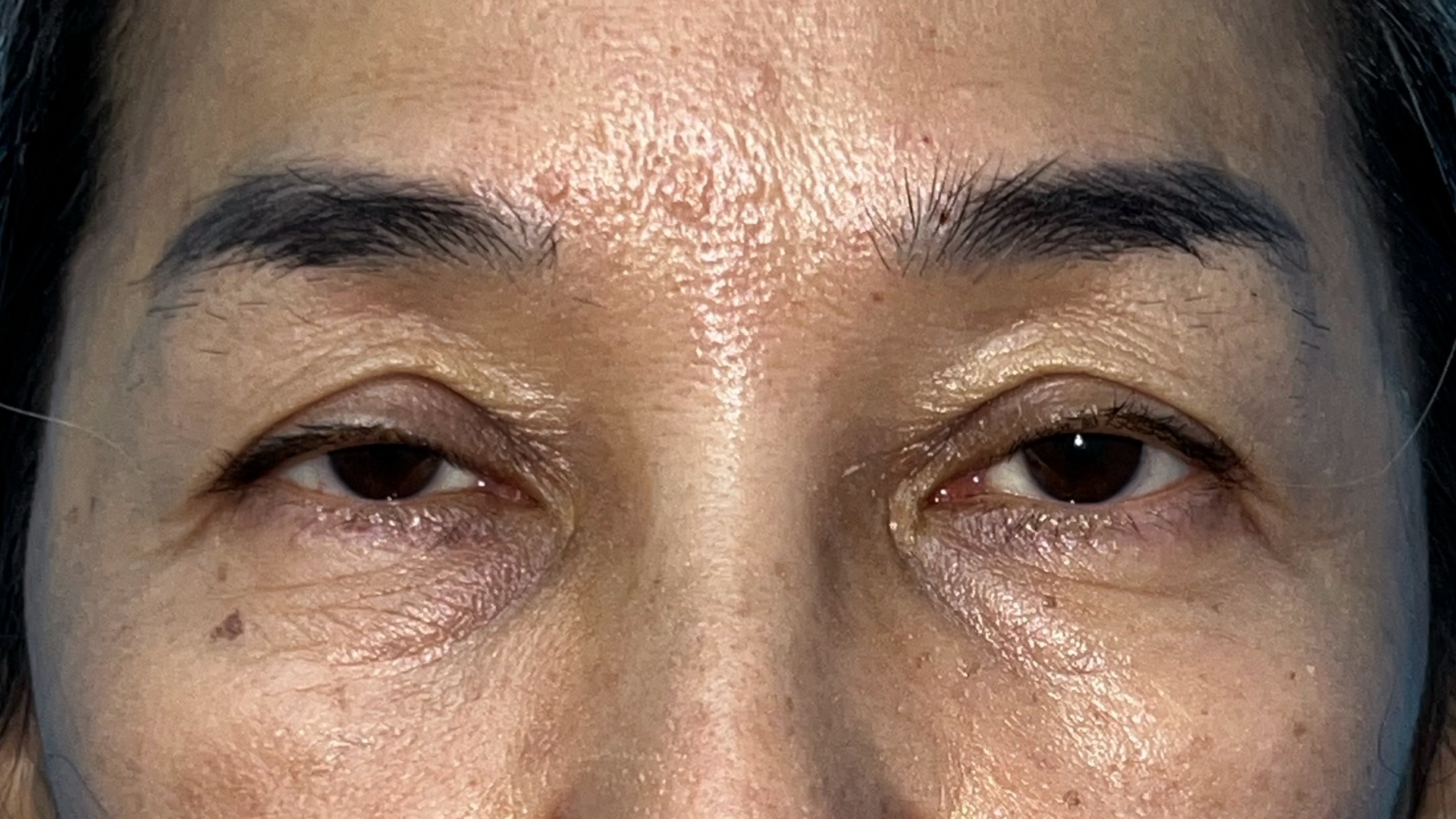 Before
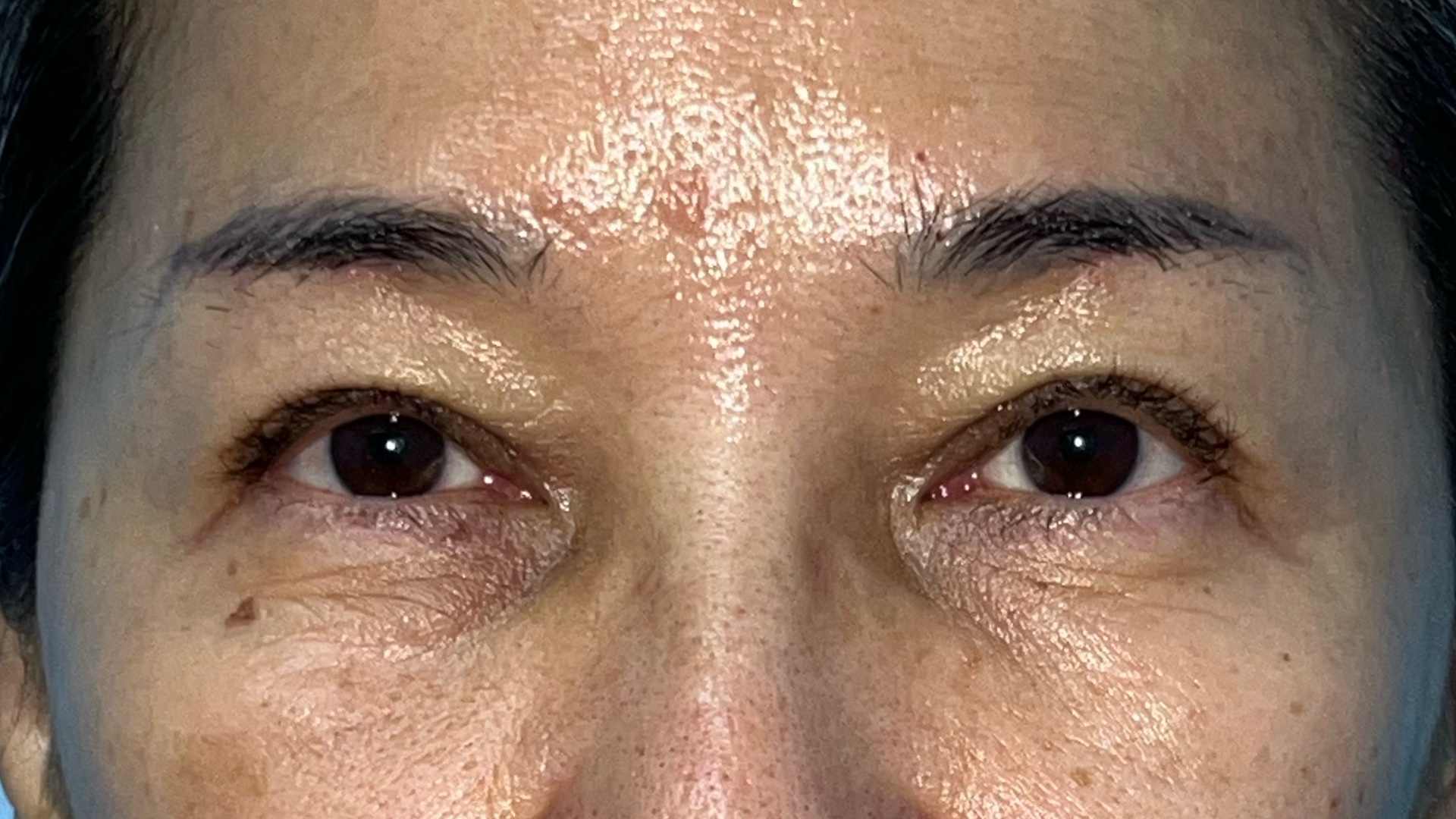 After · 6 months
Levator advancement · 6-month follow-up
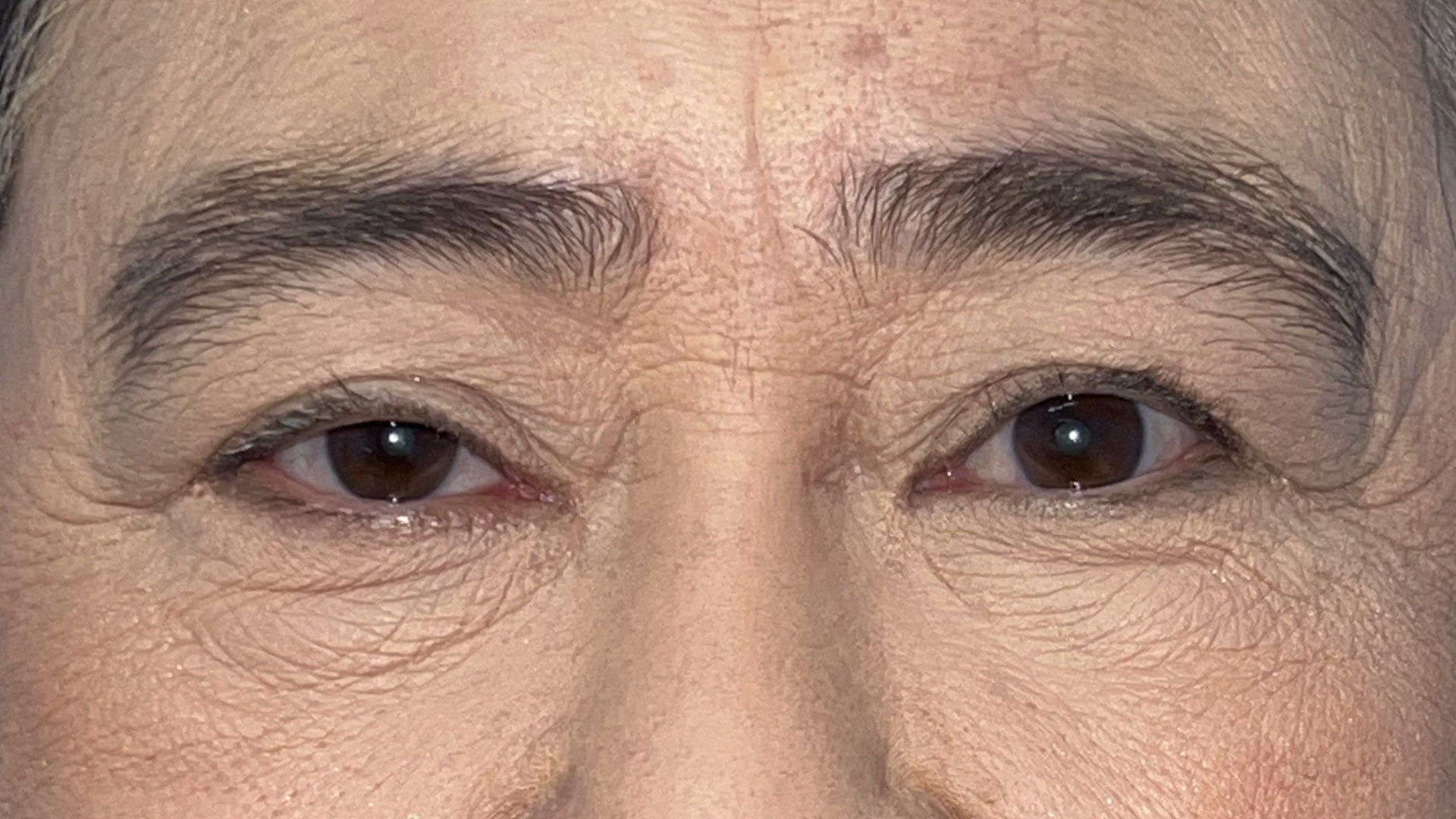 Before
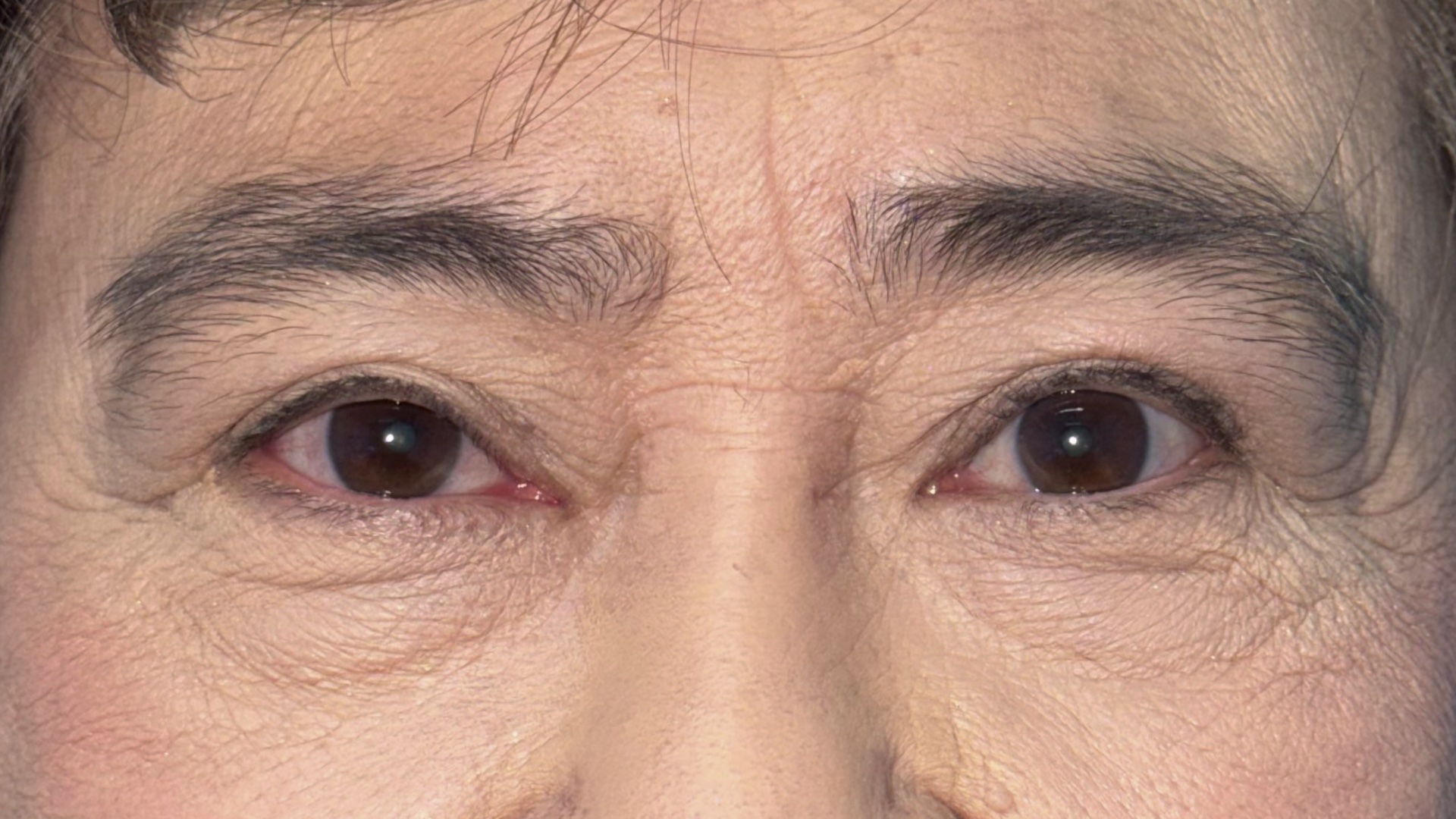 After · 8 months
Levator advancement · 8-month follow-up
Ptosis surgery aims to raise the upper eyelid to a more appropriate position, improve selected asymmetry, and reduce visual-field obstruction when the low eyelid margin is responsible. The degree of improvement varies with the underlying cause, eyelid function, and individual anatomy.
Perfect symmetry, a particular eyelid shape, or correction of every cause of upper eyelid heaviness cannot be guaranteed. Excess eyelid skin, brow descent, and other concerns may require separate assessment.
WHAT HAPPENS DURING SURGERY
What does the operation involve?
In selected patients, ptosis surgery may involve advancing or adjusting the levator aponeurosis to improve upper eyelid elevation. An incision is commonly placed within the upper eyelid crease, allowing the relevant structures to be identified and adjusted. Eyelid height and contour are assessed during the operation before the incision is closed with sutures.
Other techniques may be required depending on the cause and severity of ptosis, levator function, and the ability to close the eye comfortably.
Surgical animation illustrating levator advancement for ptosis correction. The operative plan is selected after examination rather than from eyelid appearance alone.
RECOVERY
Eyelid position and swelling settle gradually
Swelling, bruising, tightness, and temporary asymmetry are common during early recovery. Eyelid height and contour may change as swelling decreases and the tissues settle. Temporary difficulty with complete eyelid closure or ocular surface discomfort may also occur.
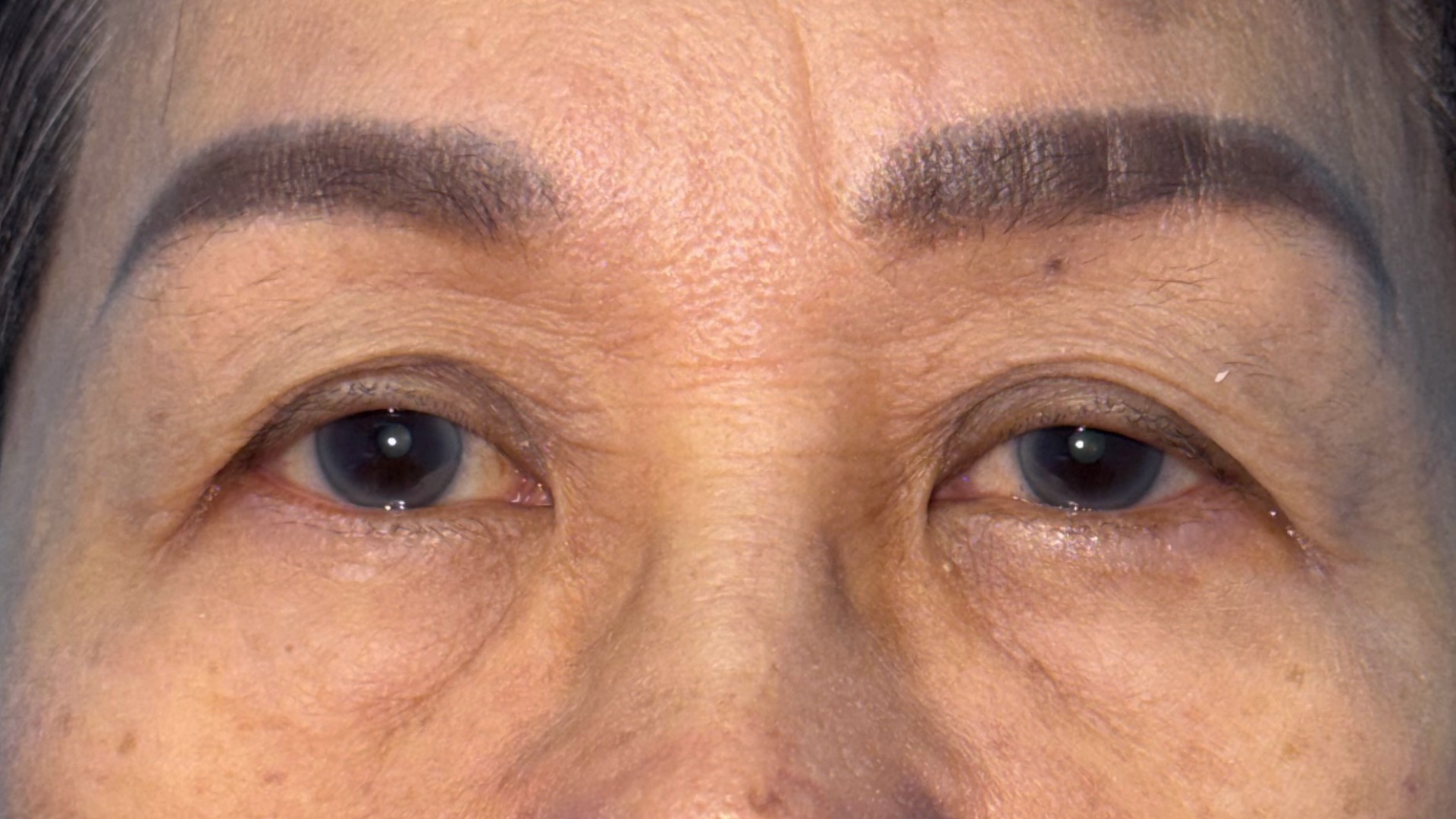
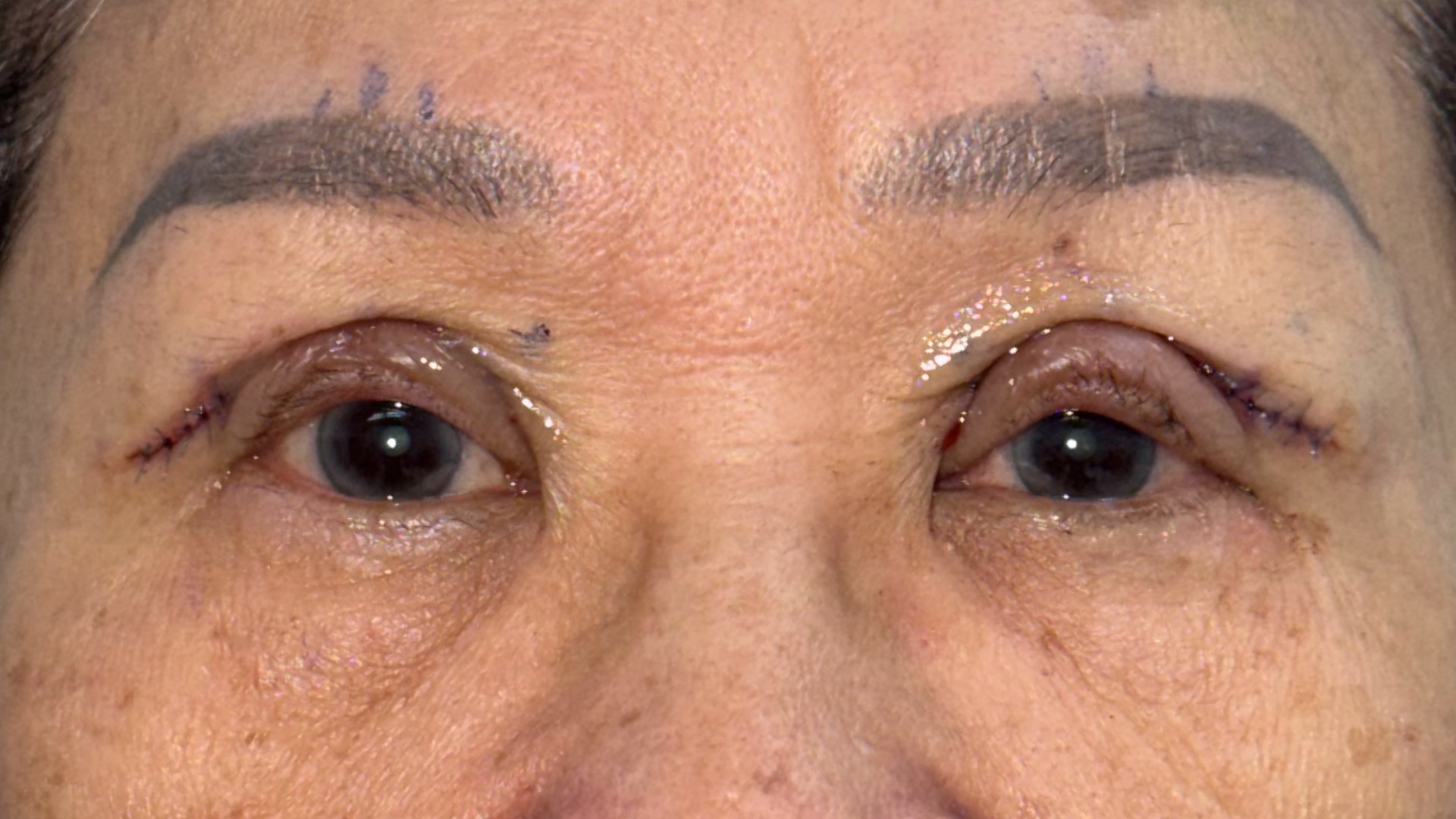
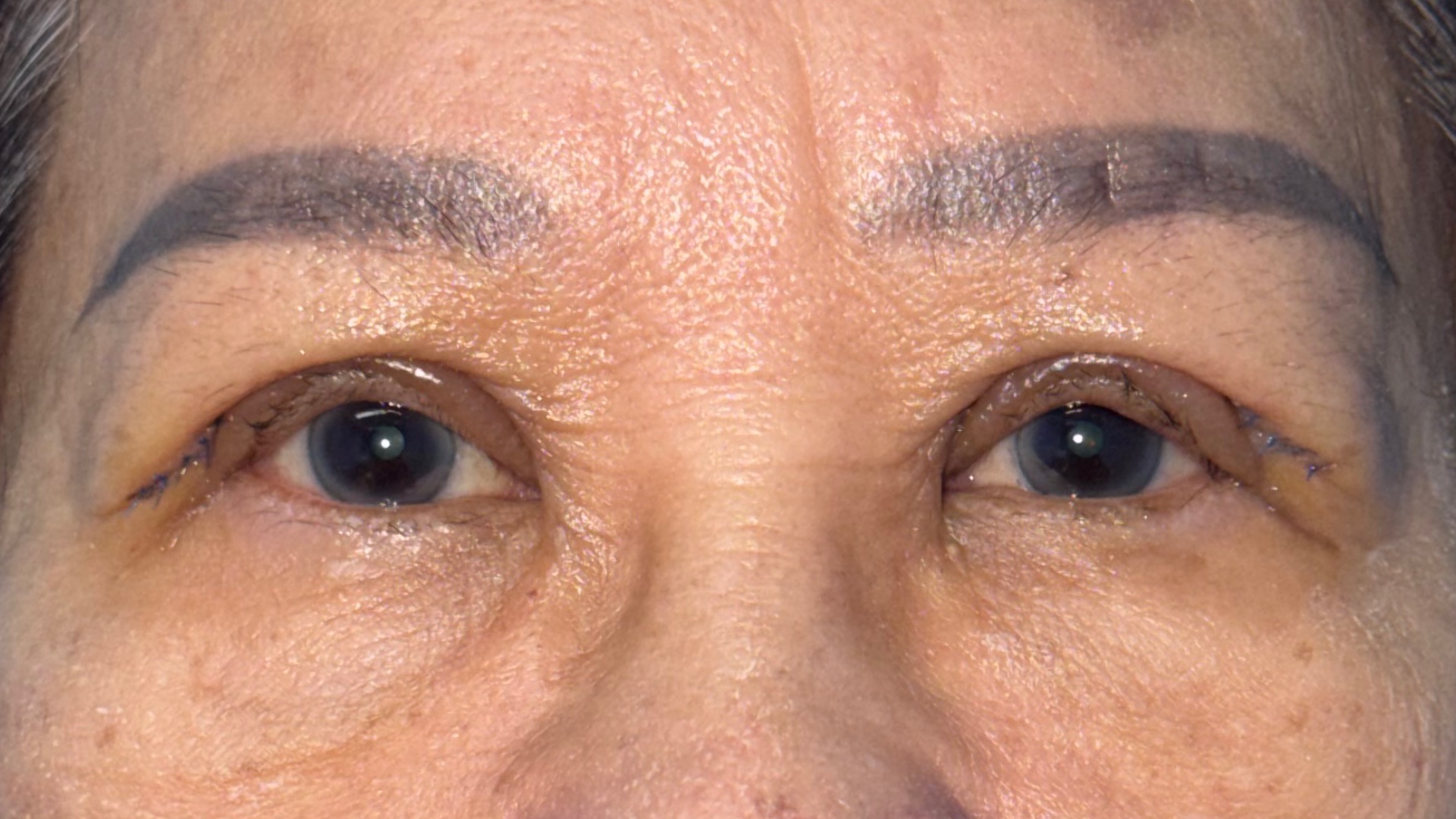
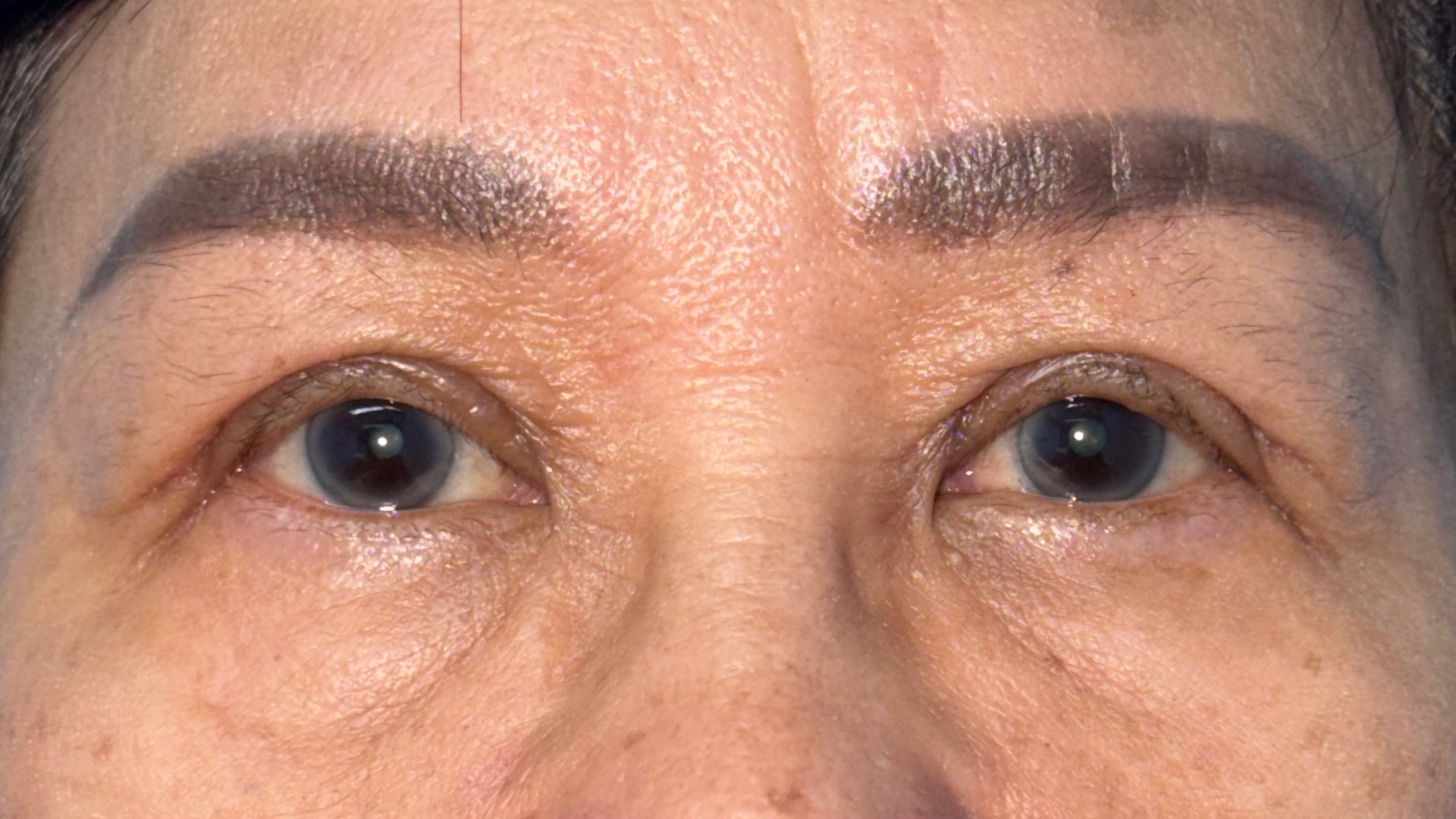
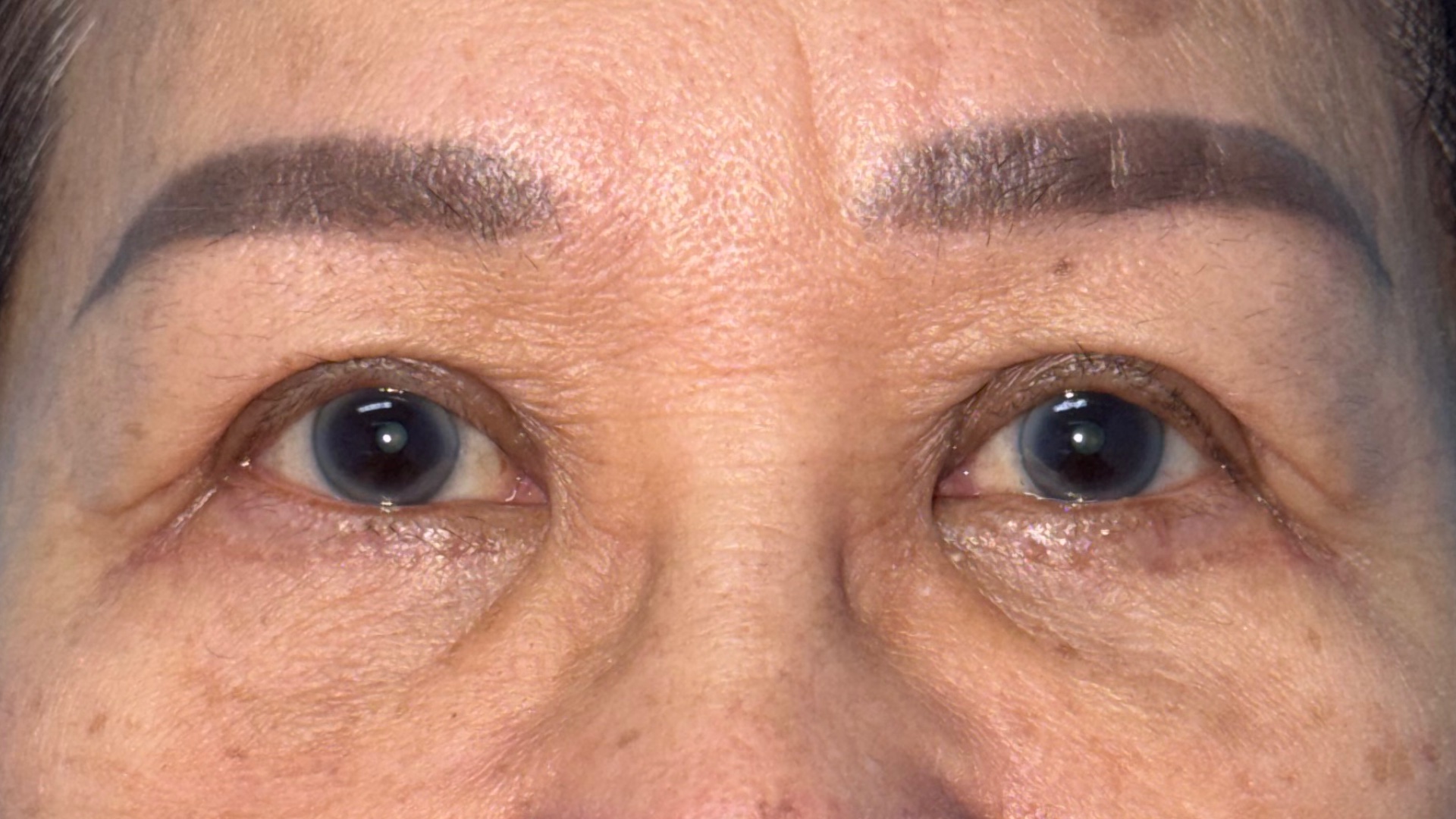
Recovery varies between patients. These images show one patient's course from before surgery through 4.5 months. Follow-up is important to assess eyelid position, eyelid closure, and ocular surface health during recovery.
RISKS & LIMITATIONS
Understanding the risks and limitations
Potential considerations include swelling, bruising, scarring, asymmetry, undercorrection, overcorrection, eyelid-contour changes, difficulty closing the eye, dry-eye symptoms, ocular surface exposure, and the possibility of revision. Individual risk depends on the cause of ptosis, eyelid function, ocular surface health, medical history, and the procedure selected.
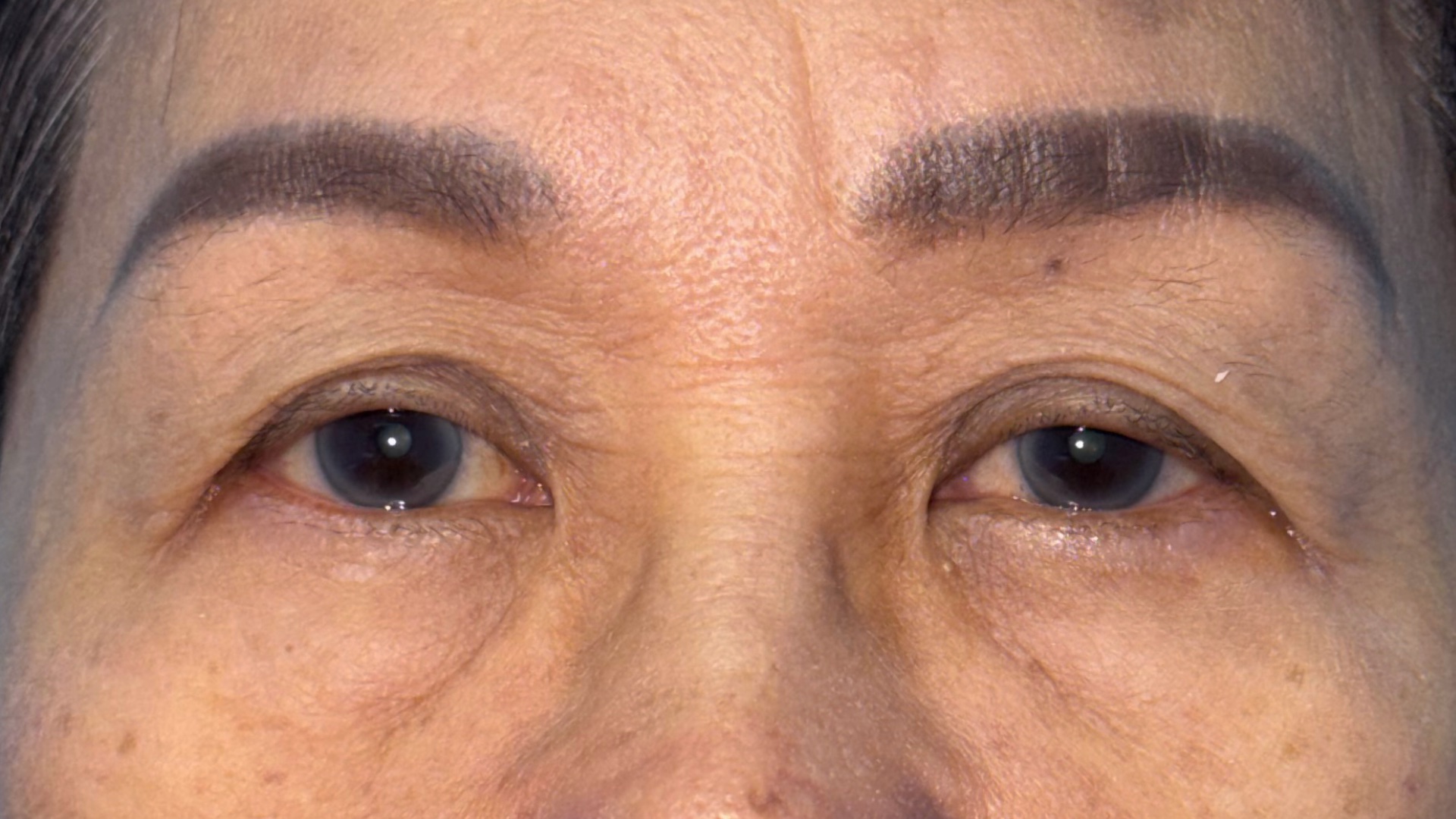
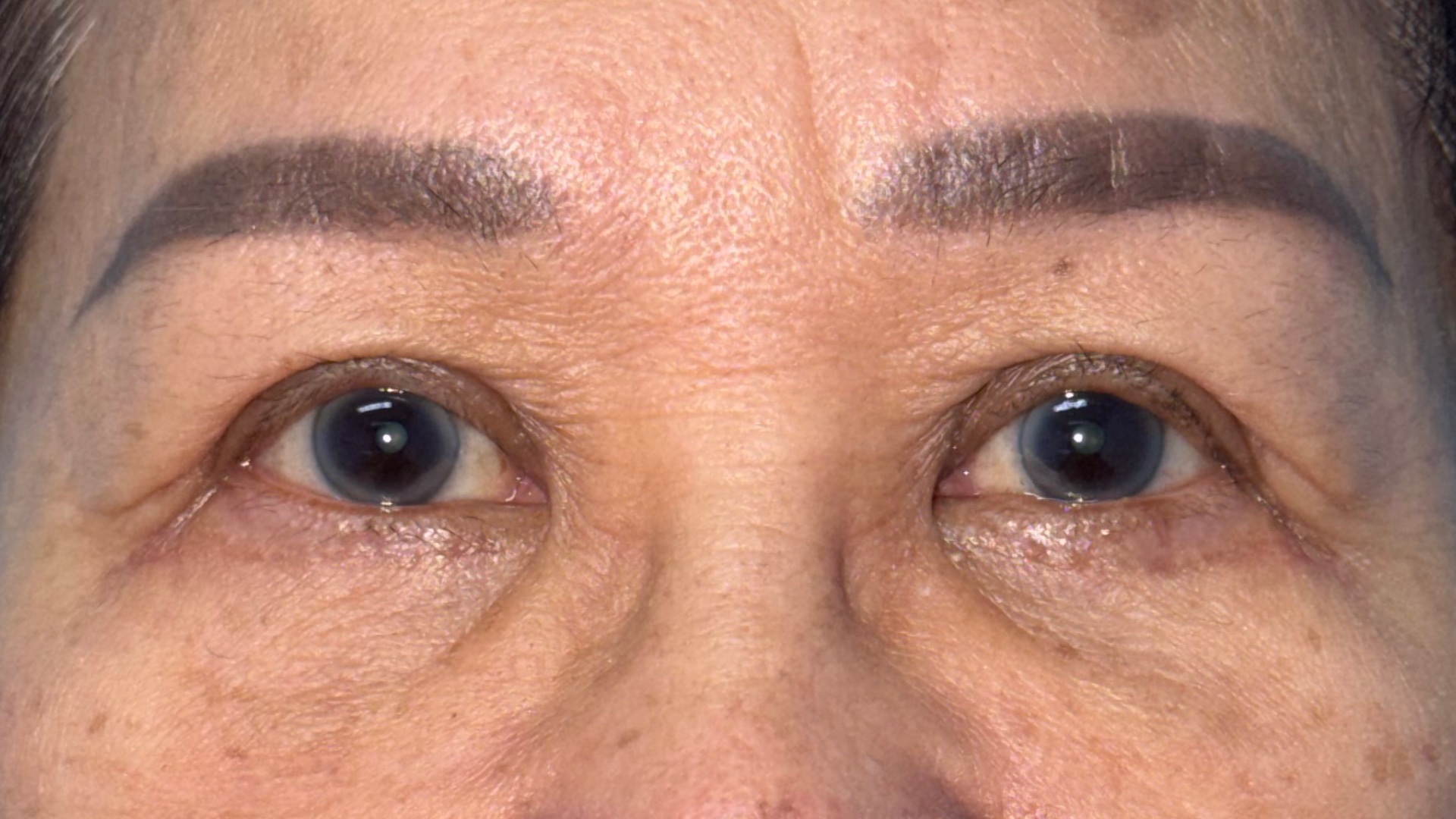
Levator advancement · 4.5-month follow-up
RELATED PATIENT RESULTS
See ptosis results in clinical context
Each result includes the procedure performed and follow-up period to help place the photographs in clinical context.
View Patient ResultsRELATED PROCEDURES
Similar concerns may require a different operation
CONSULTATION
Discuss your eyelid position and function with Dr. Joe
A consultation allows the cause of eyelid drooping, levator function, eyelid closure, and ocular surface health to be assessed before the most appropriate treatment options are discussed.
Request Consultation