Brow Lift
Brow lift surgery repositions a descended brow and addresses selected forehead concerns. The surgical approach depends on brow position, forehead anatomy, hairline, skin characteristics, and individual goals.
SURGICAL APPROACHES
Endoscopic or hairline approach?
Both approaches can reposition the brow, but the incision, tissue adjustment, and hairline considerations differ. The appropriate approach is selected after examination.
ENDOSCOPIC BROW LIFT
Repositioning through small scalp incisions.
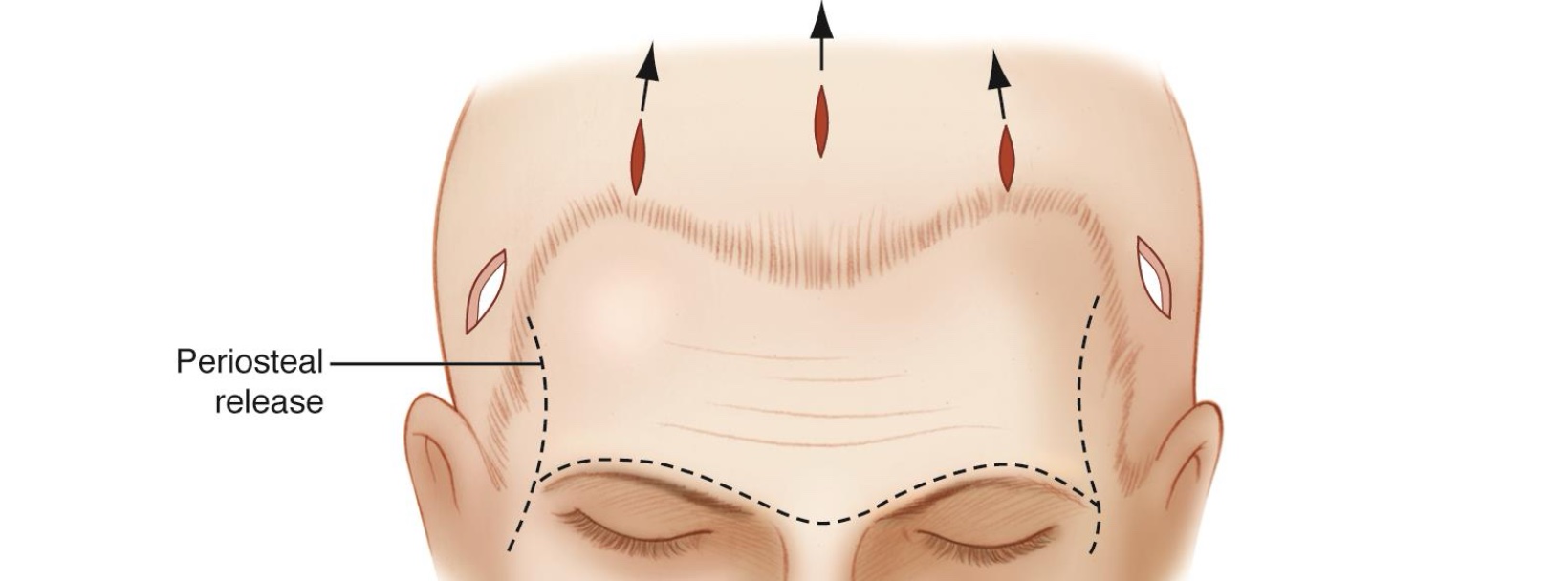
An endoscopic approach uses small incisions within the hair-bearing scalp to release and reposition selected forehead and brow tissues.
WHO THIS MAY HELP
Who may benefit from an endoscopic brow lift?
- Brow descent contributing to upper eyelid heaviness or a lower brow position
- Patients whose forehead anatomy, hairline, and tissue characteristics are suitable for an endoscopic approach
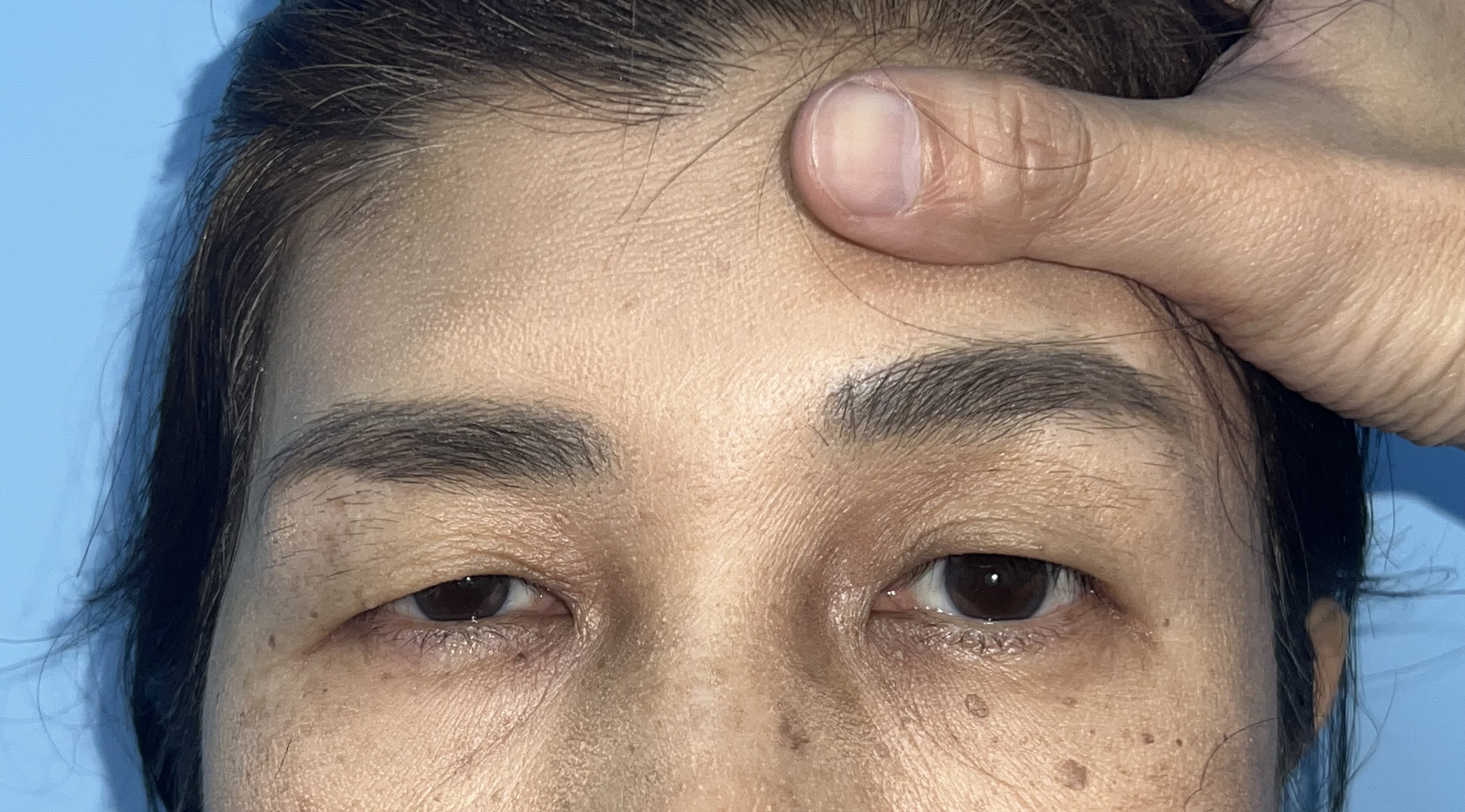
Suitability depends on examination, degree of brow descent, previous surgery, and individual goals.
WHAT SURGERY CAN ADDRESS
What improvements can you expect?
Endoscopic brow lifting may improve brow position and reduce the contribution of brow descent to upper eyelid heaviness. It does not correct true eyelid ptosis.
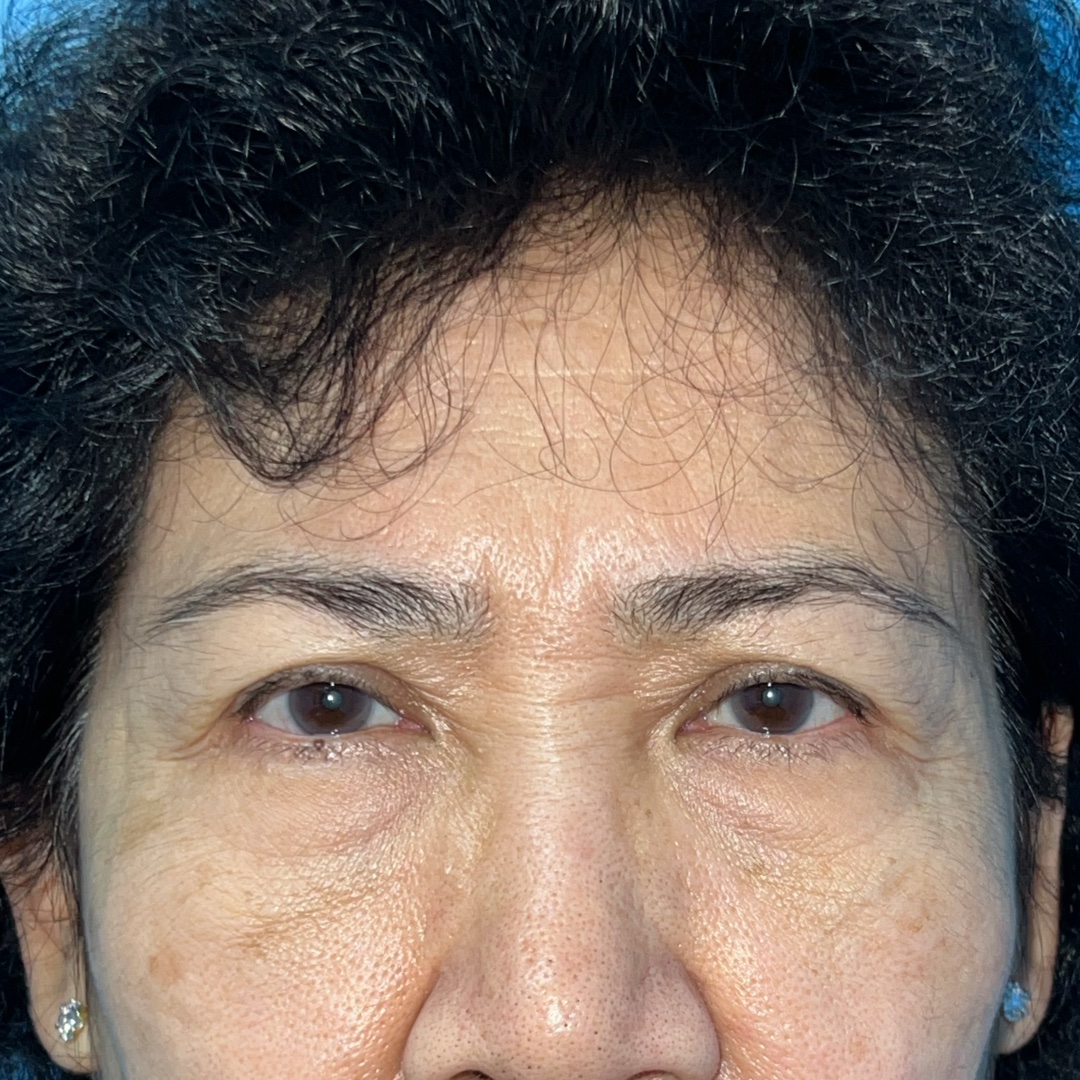
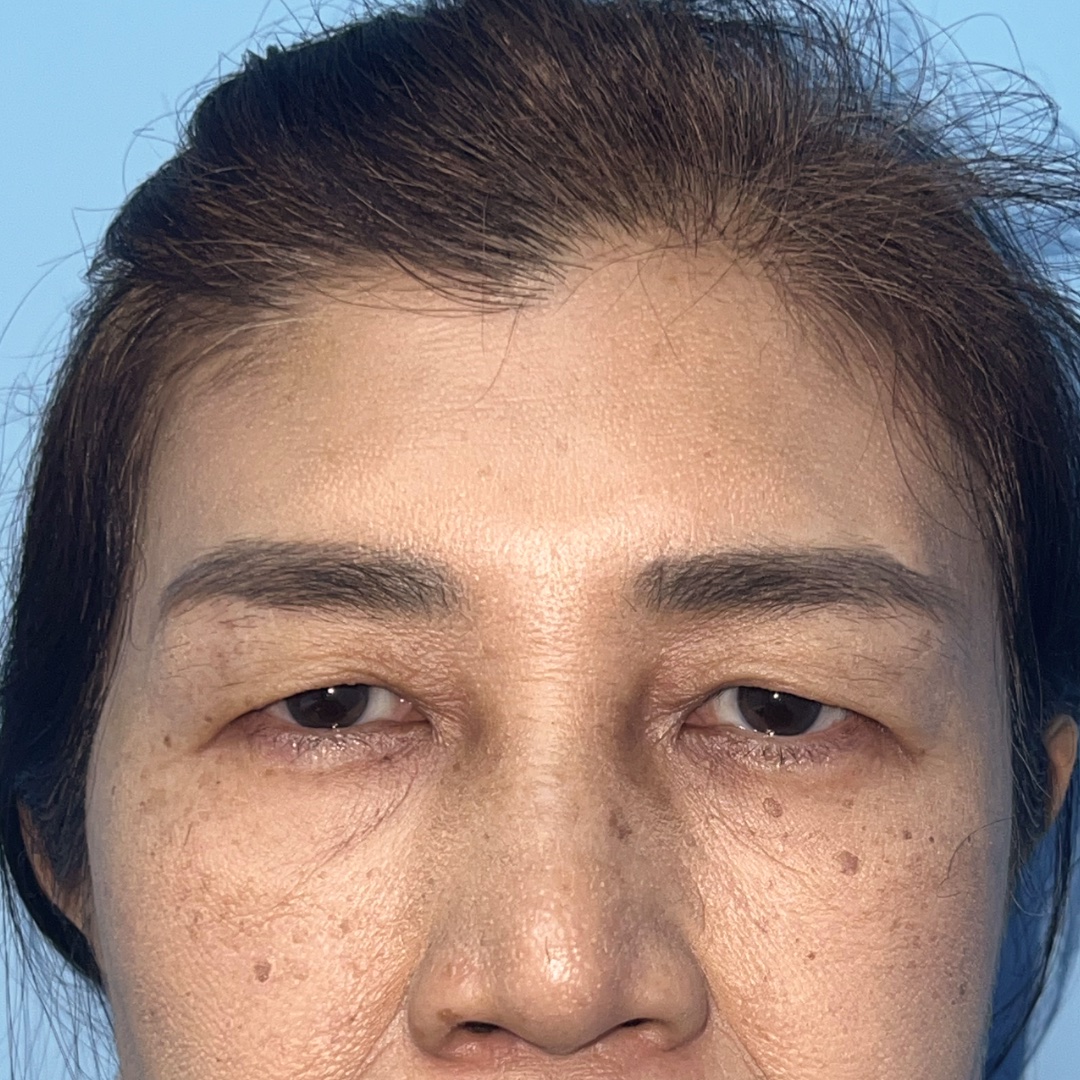 Before
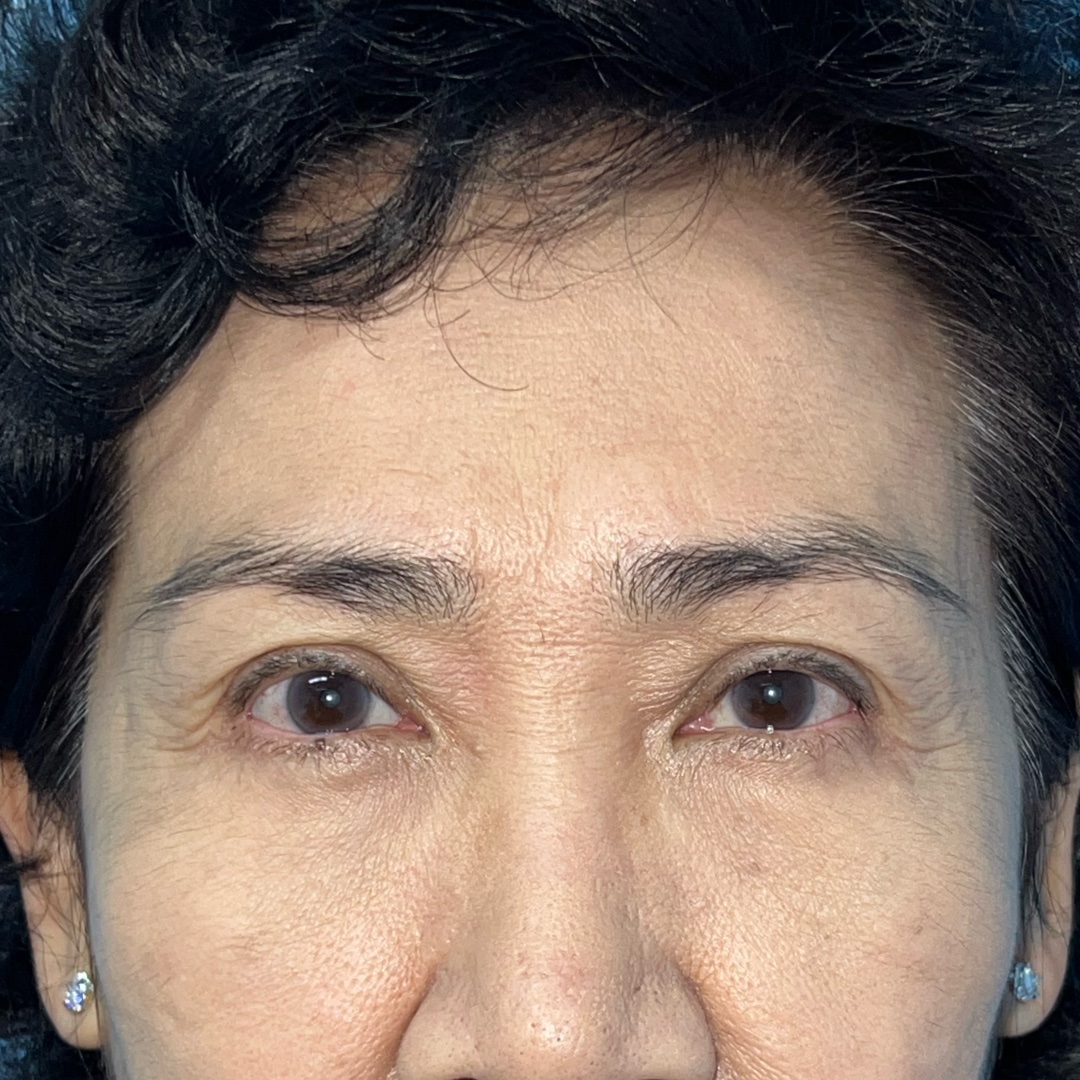
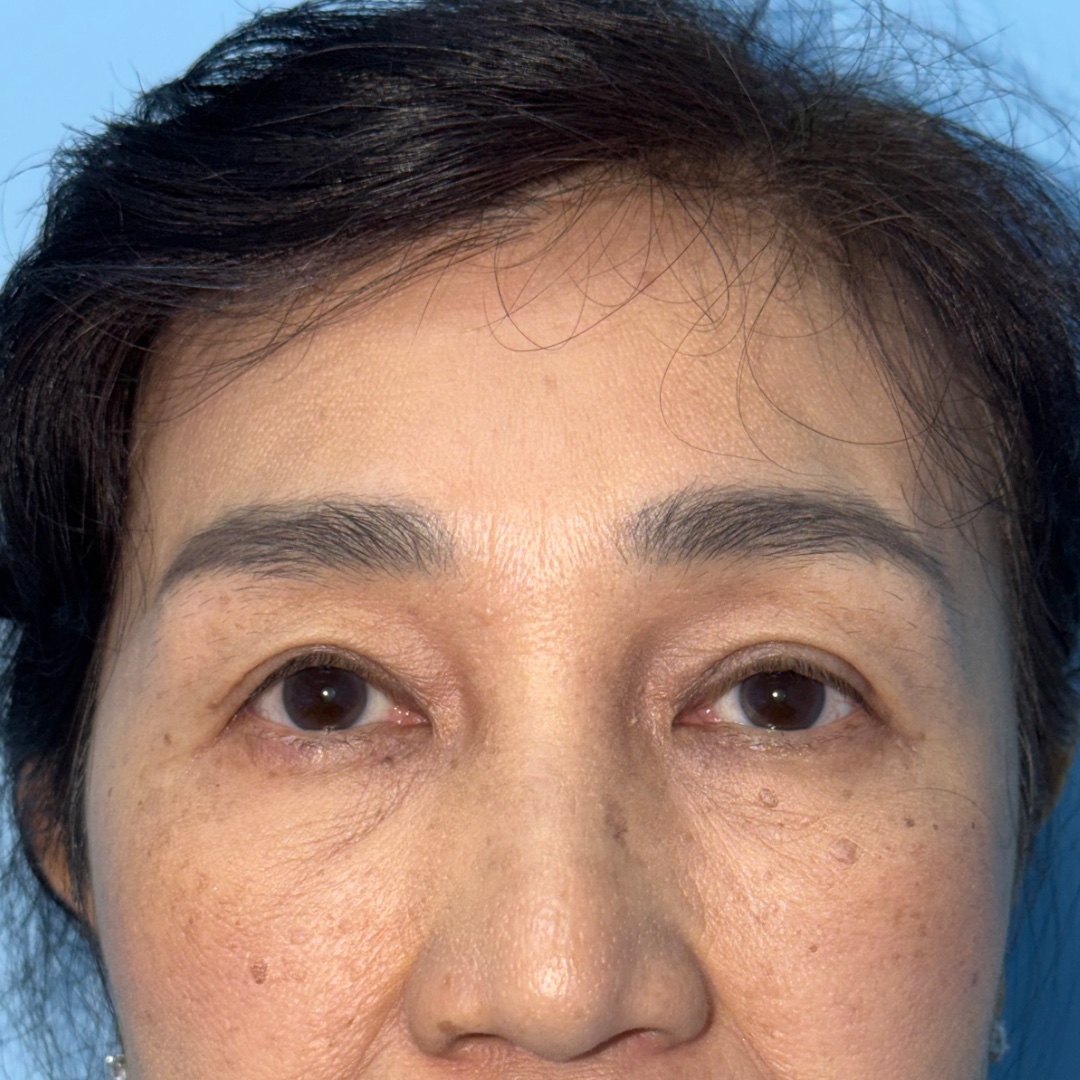 After · 10 months
Endoscopic Brow Lift + Levator Advancement · 10-month follow-up
This case included levator advancement in addition to brow lifting.
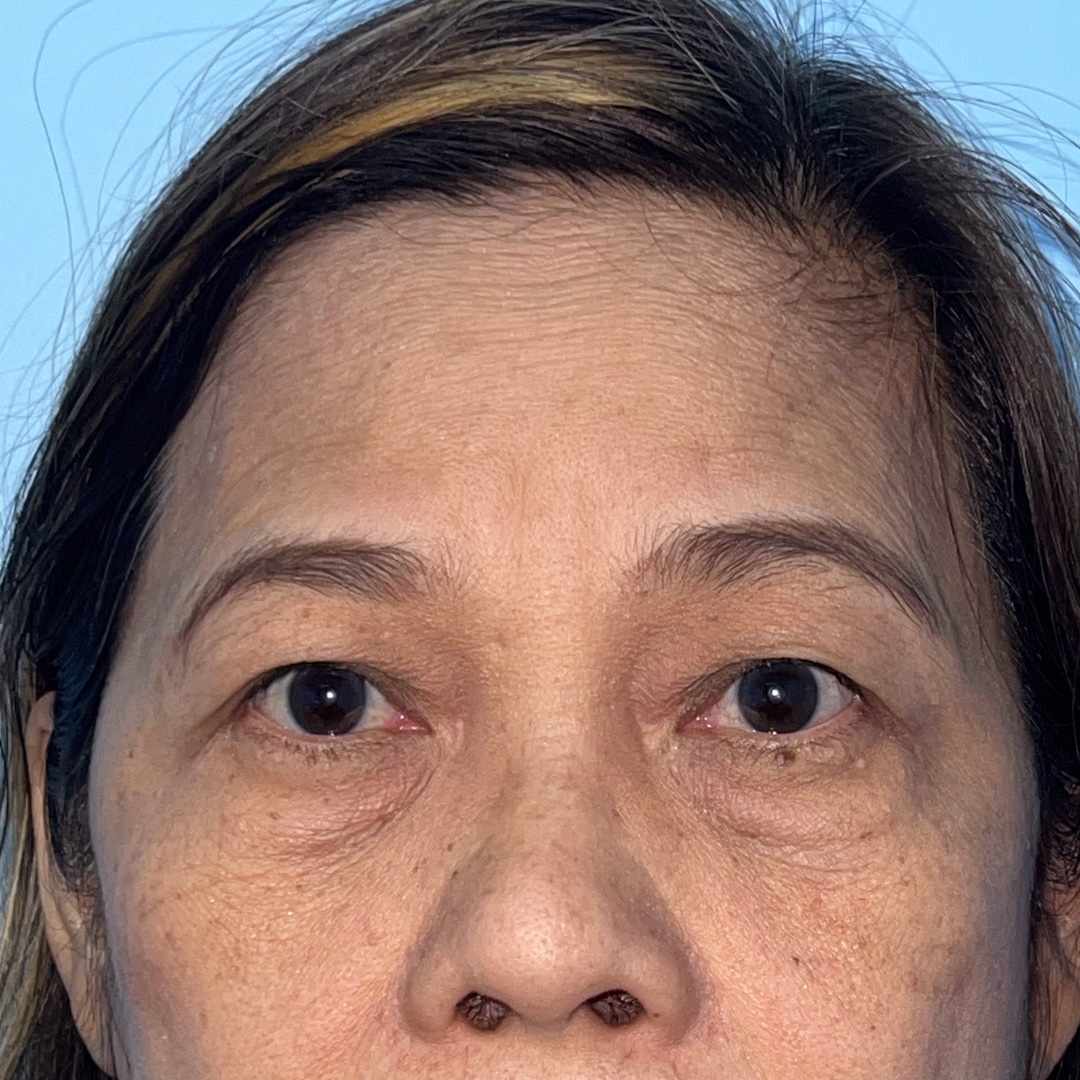 Before
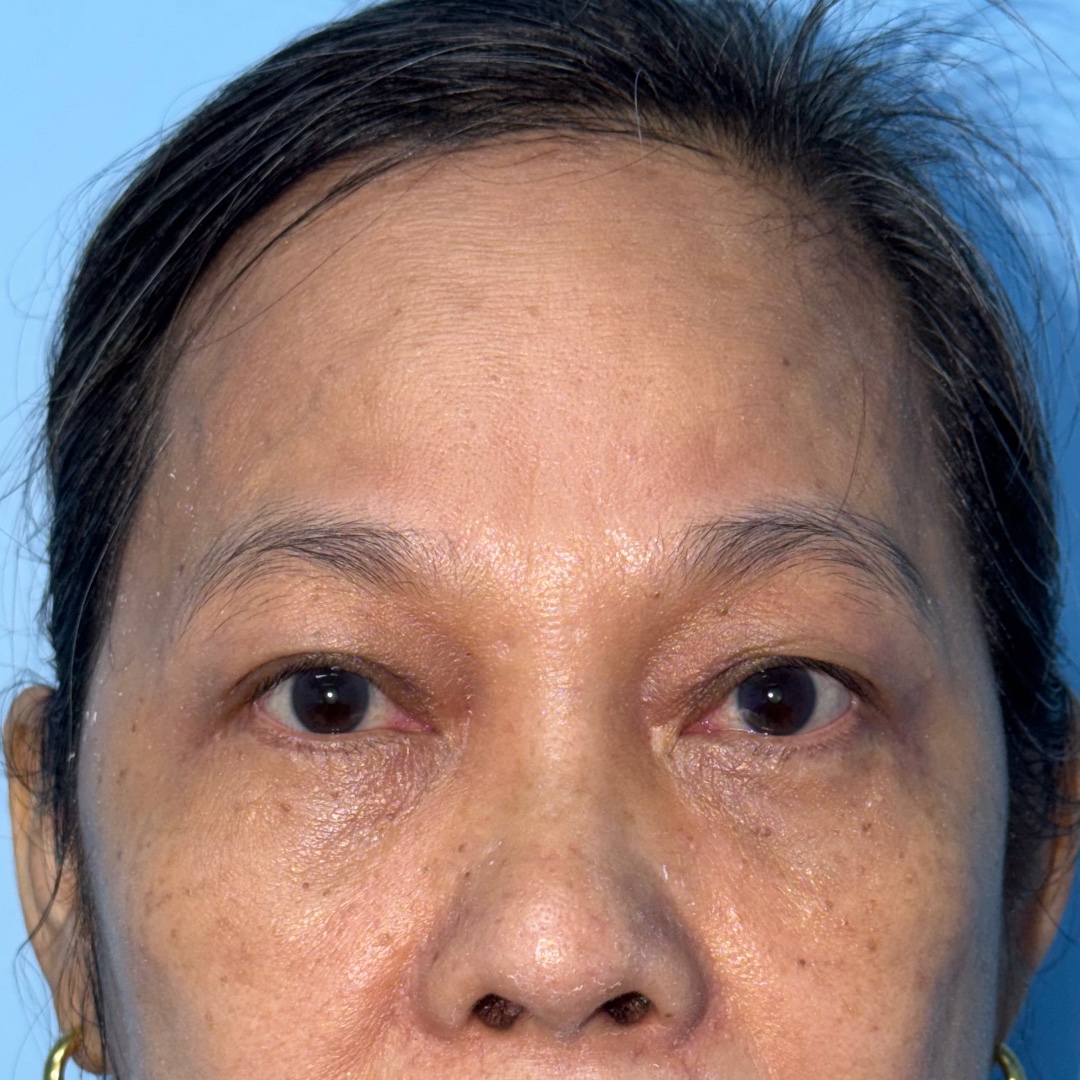 After · 5 months
Endoscopic Brow Lift + Lower Blepharoplasty · 5-month follow-up
This case included lower blepharoplasty in addition to brow lifting.
WHAT HAPPENS DURING SURGERY
What does the operation involve?
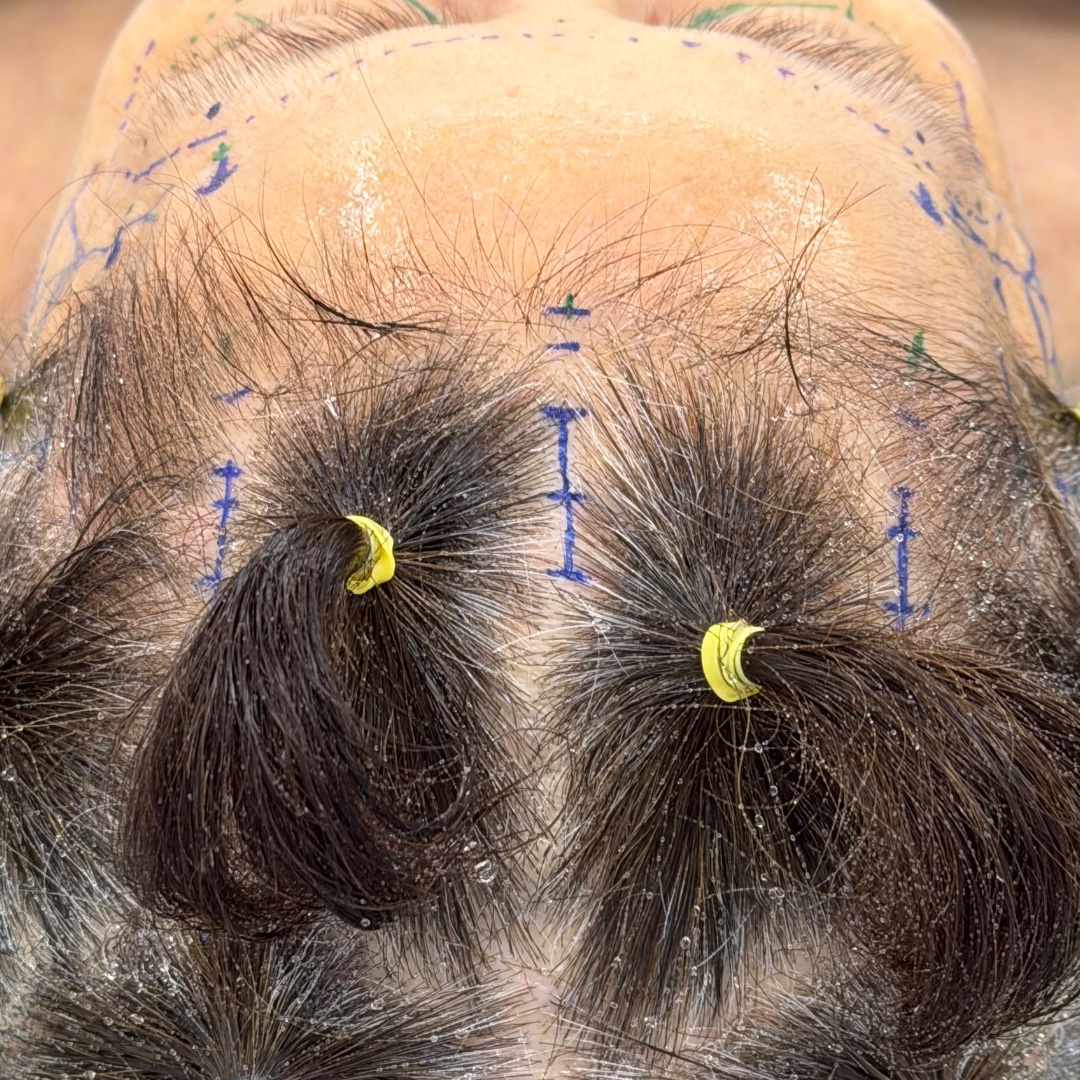
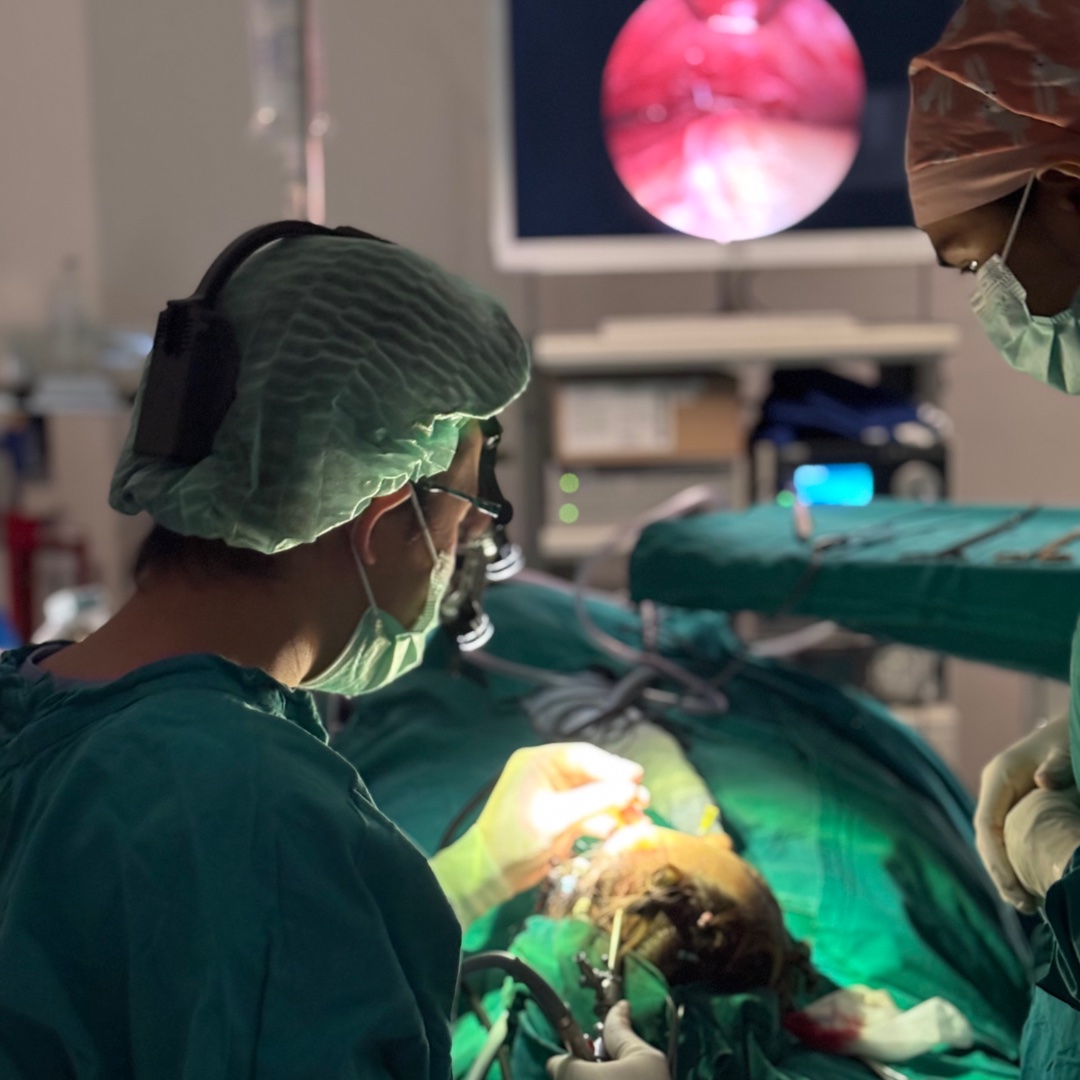
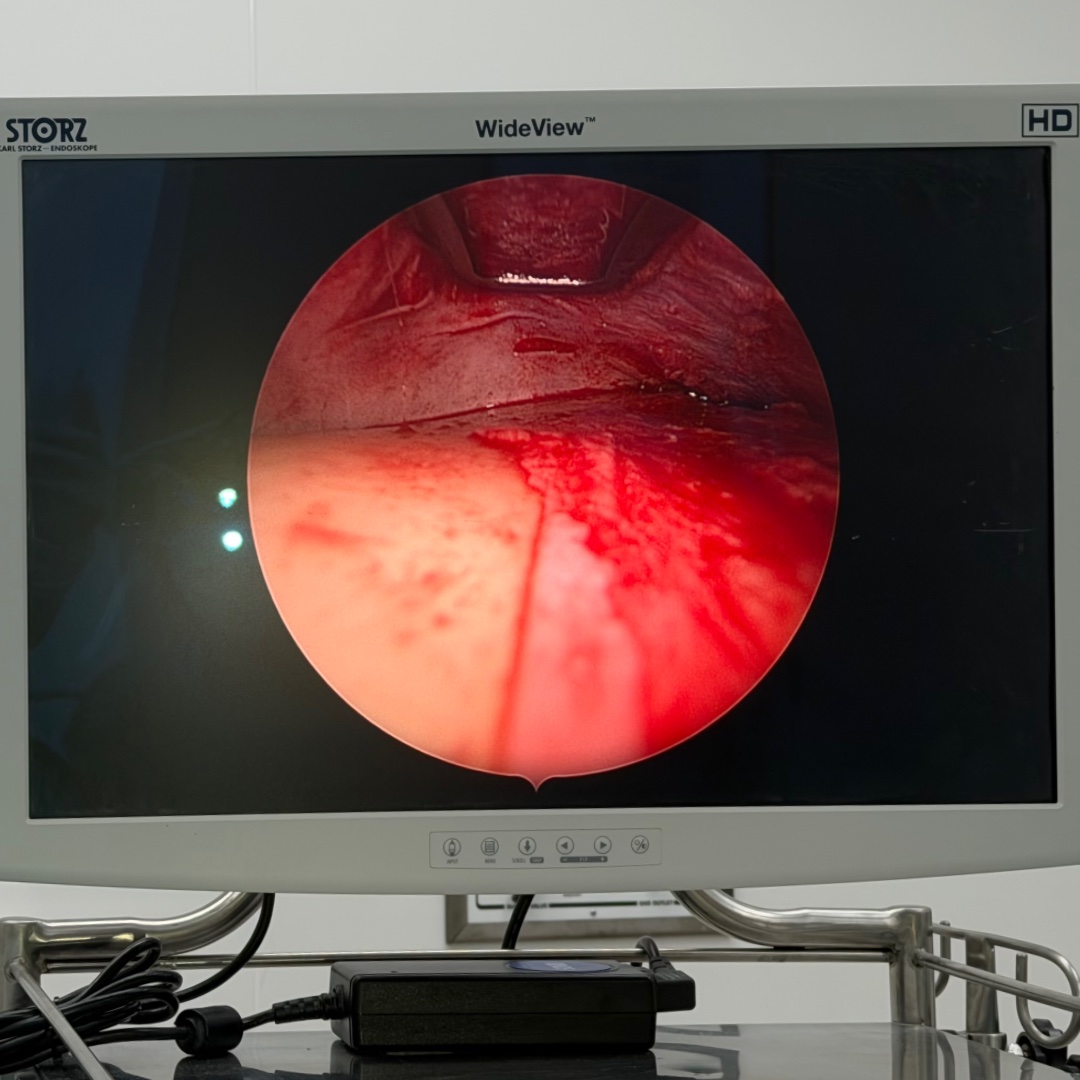
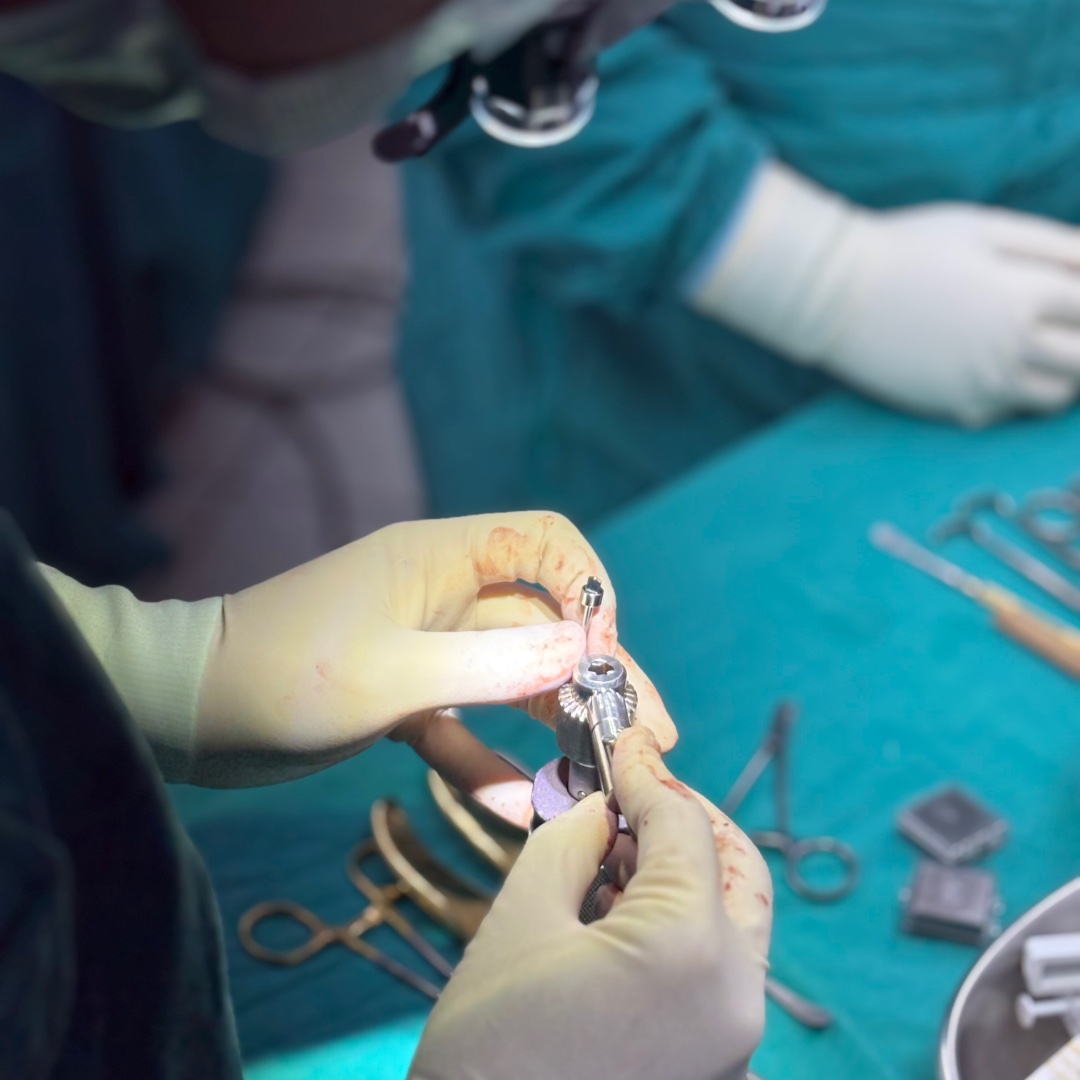
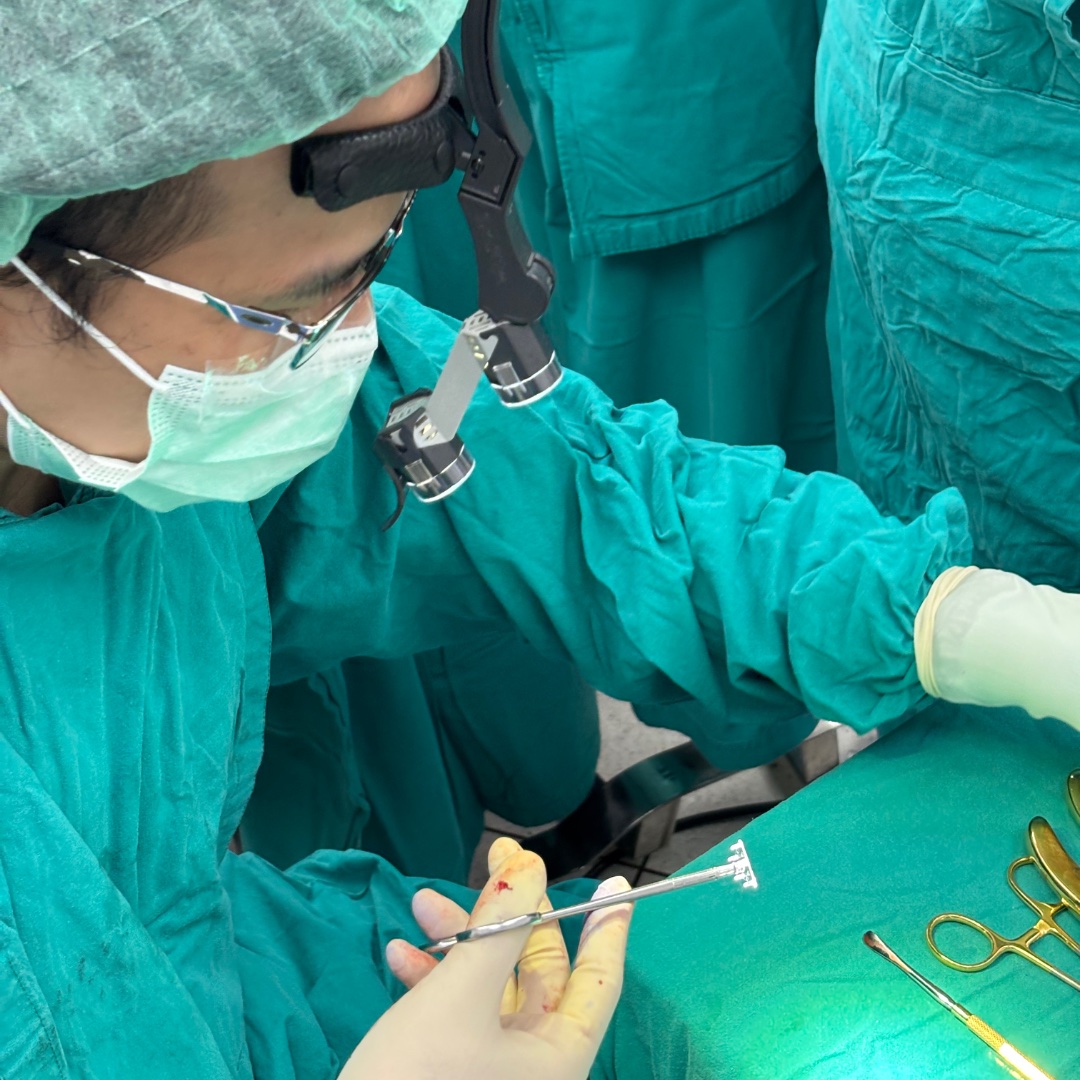
Small incisions are placed within the hair-bearing scalp. Endoscopic visualization is used while selected forehead and brow tissues are released, repositioned, and secured according to the surgical plan.
RECOVERY
Healing and brow position settle gradually.
Swelling, bruising, tightness, and temporary changes in forehead or scalp sensation may occur. Brow position and surrounding tissues continue to settle during recovery.
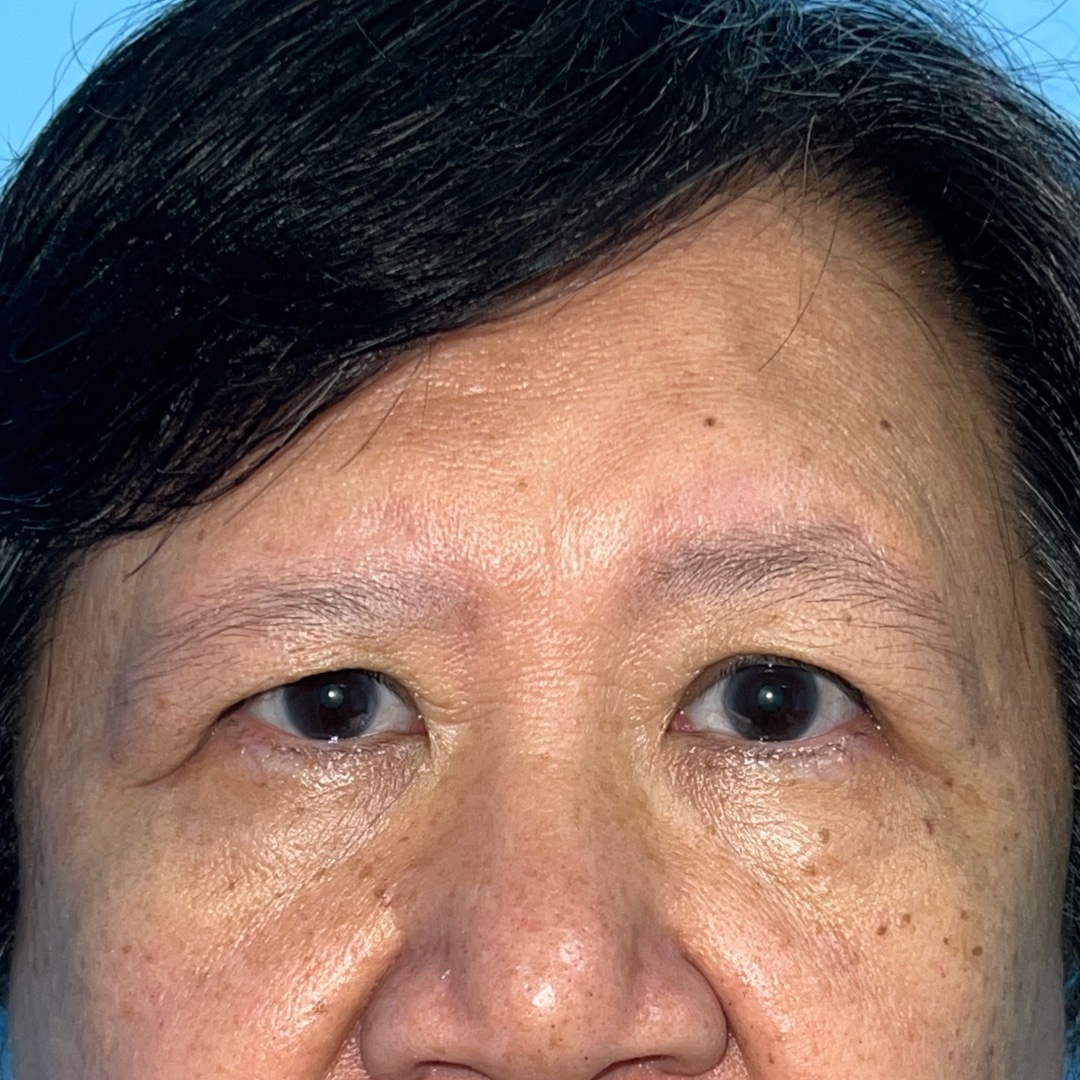
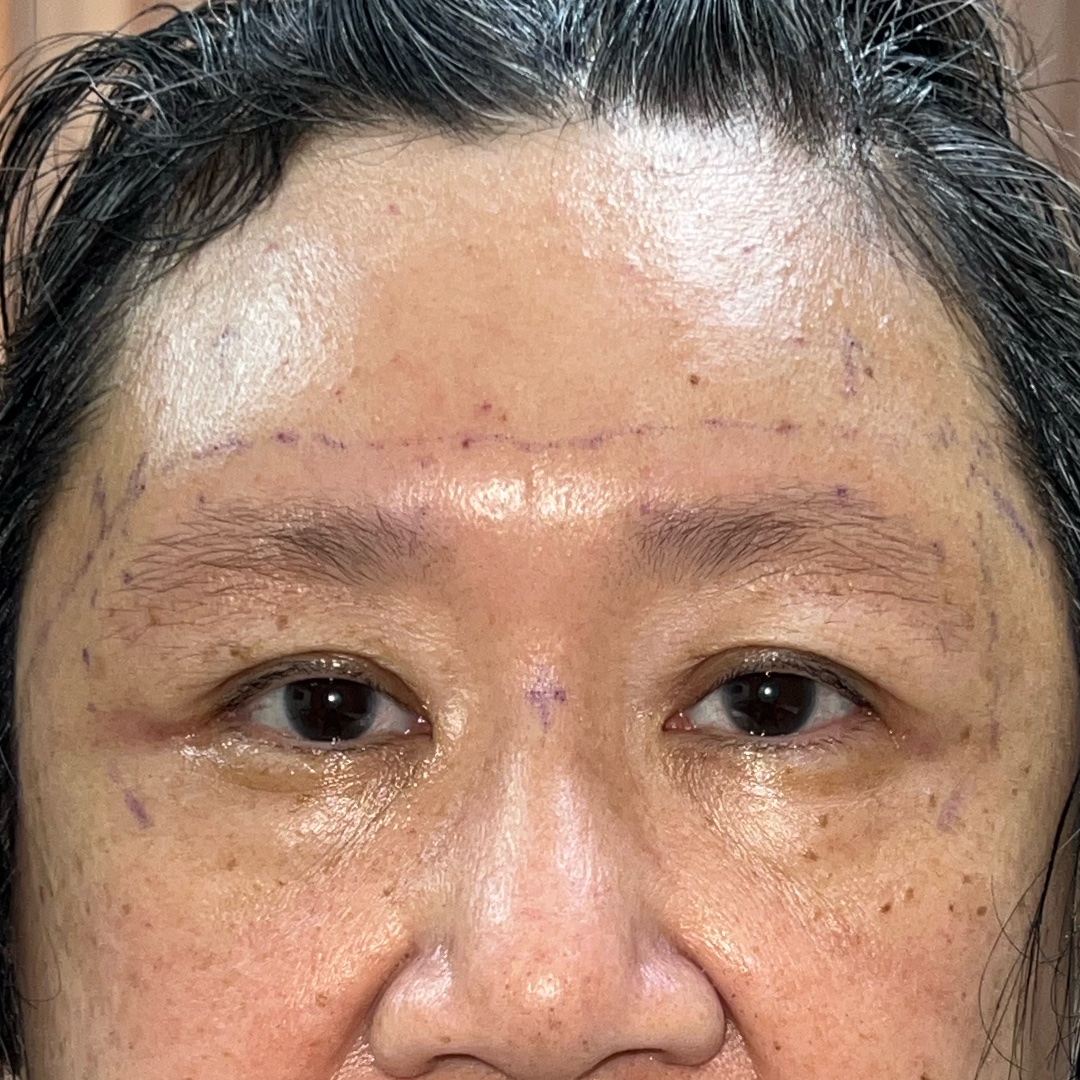
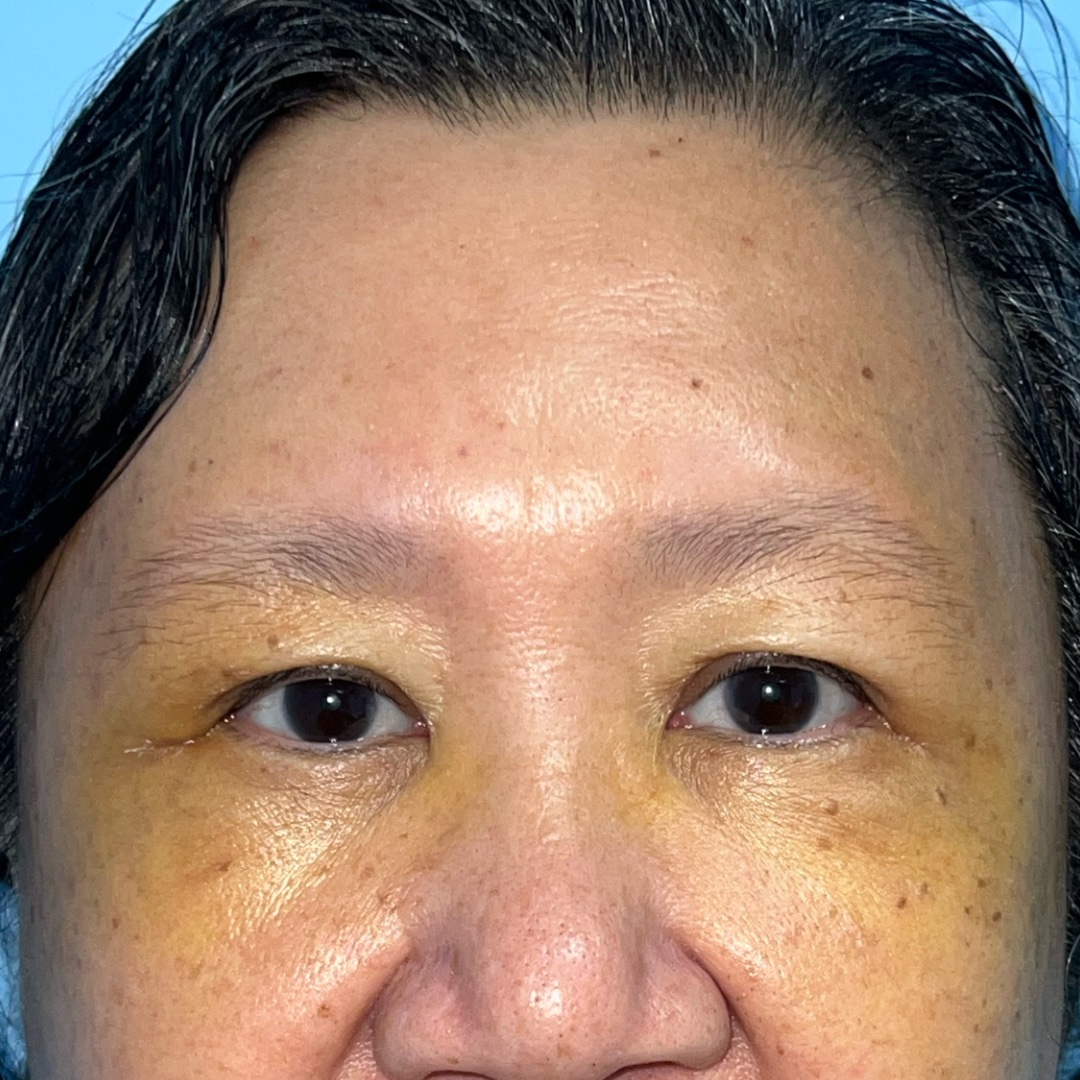
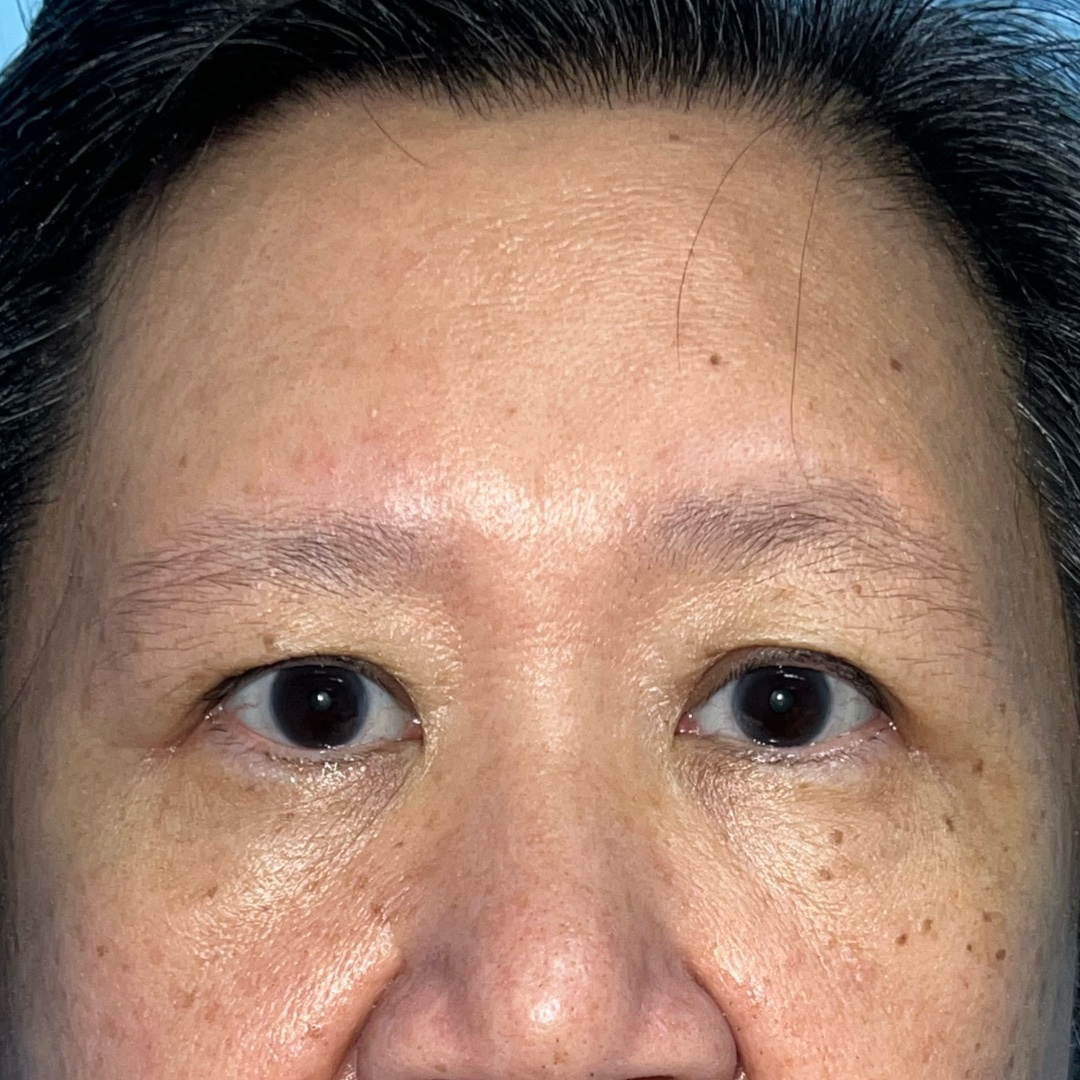
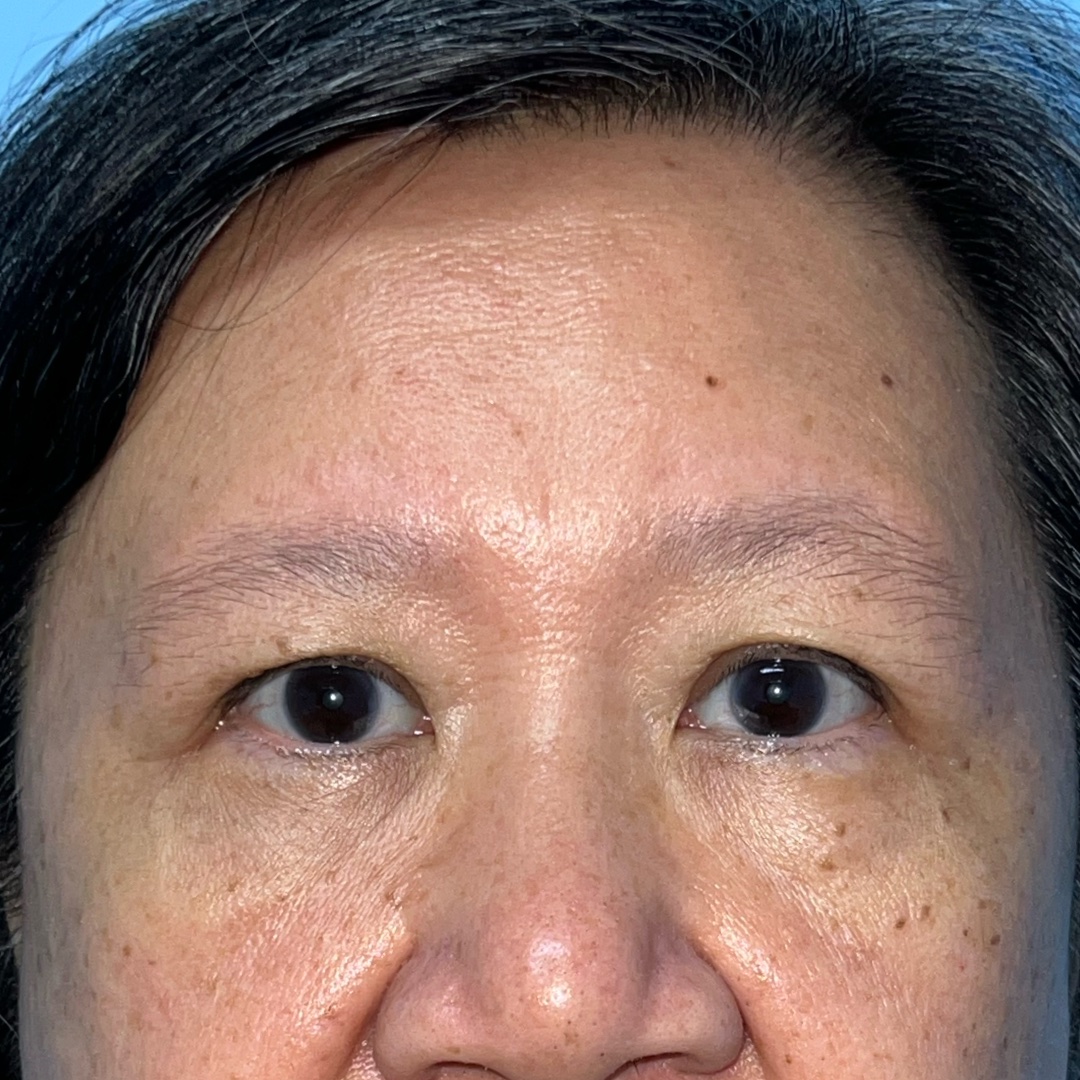
Recovery varies between patients. These images show one patient’s course from before surgery through 2 months.
RISKS & LIMITATIONS
Repositioning requires careful anatomical planning.
Potential risks include bleeding, infection, swelling, bruising, scarring, asymmetry, altered forehead or scalp sensation, localized hair loss, undercorrection, overcorrection, recurrent brow descent, and the possibility of revision. Changes in forehead muscle function or injury to facial nerve branches are recognized risks. Individual risk varies with anatomy, previous surgery, medical history, and technique.
This case included lower blepharoplasty in addition to brow lifting.
RELATED PATIENT RESULTS
See endoscopic brow lift results with clinical context
Patient results are presented together with the procedures performed and the follow-up period to provide clinical context.
View Endoscopic Brow Lift ResultsHAIRLINE FOREHEAD LIFT
Direct forehead adjustment through a hairline incision.
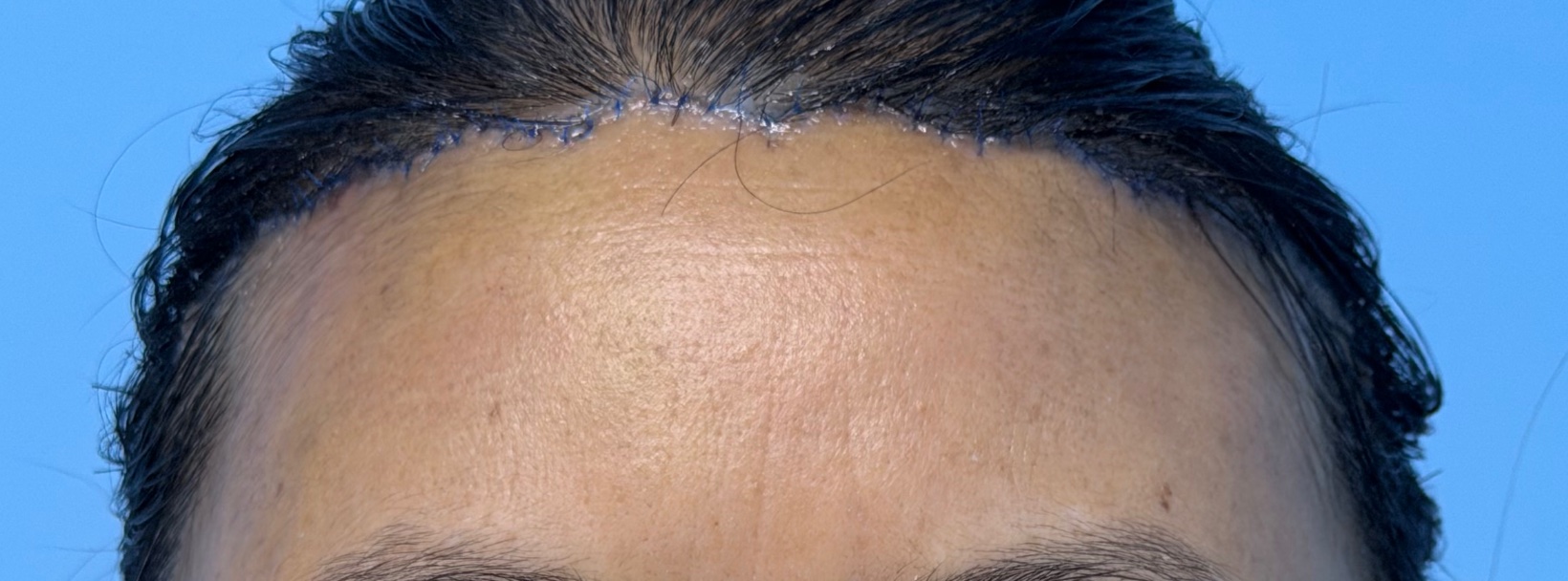
A hairline approach uses an incision along the frontal hairline, allowing direct adjustment of forehead skin and brow position while considering hairline position and scar placement.
WHO THIS MAY HELP
Who may benefit from a hairline forehead lift?
- Brow descent with forehead skin laxity where direct skin adjustment may be useful
- Patients whose forehead height, hairline, hair characteristics, and scar considerations are suitable for a hairline approach
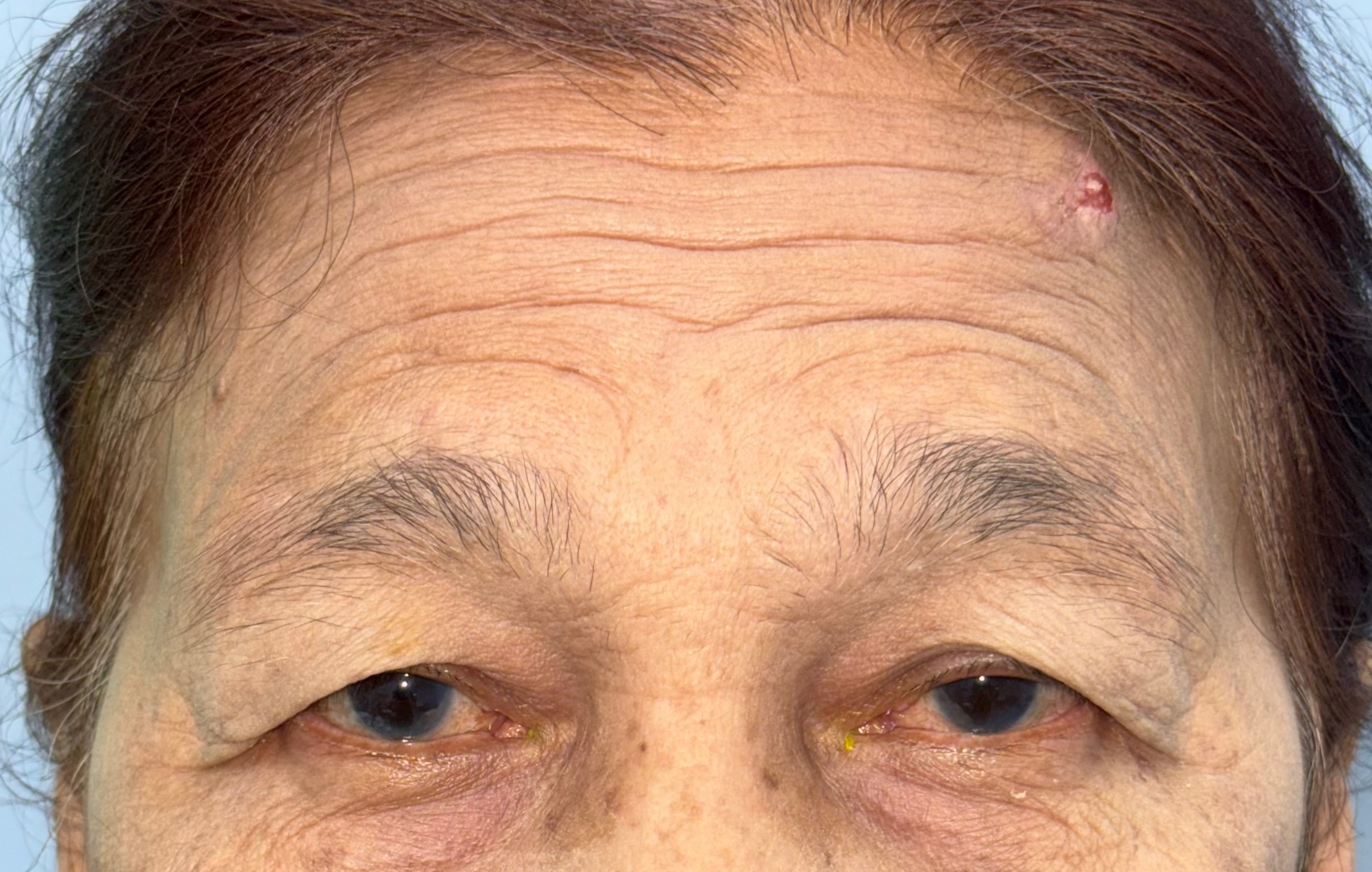
The choice depends on examination, forehead dimensions, skin quality, previous surgery, and individual goals.
WHAT SURGERY CAN ADDRESS
What improvements can you expect?
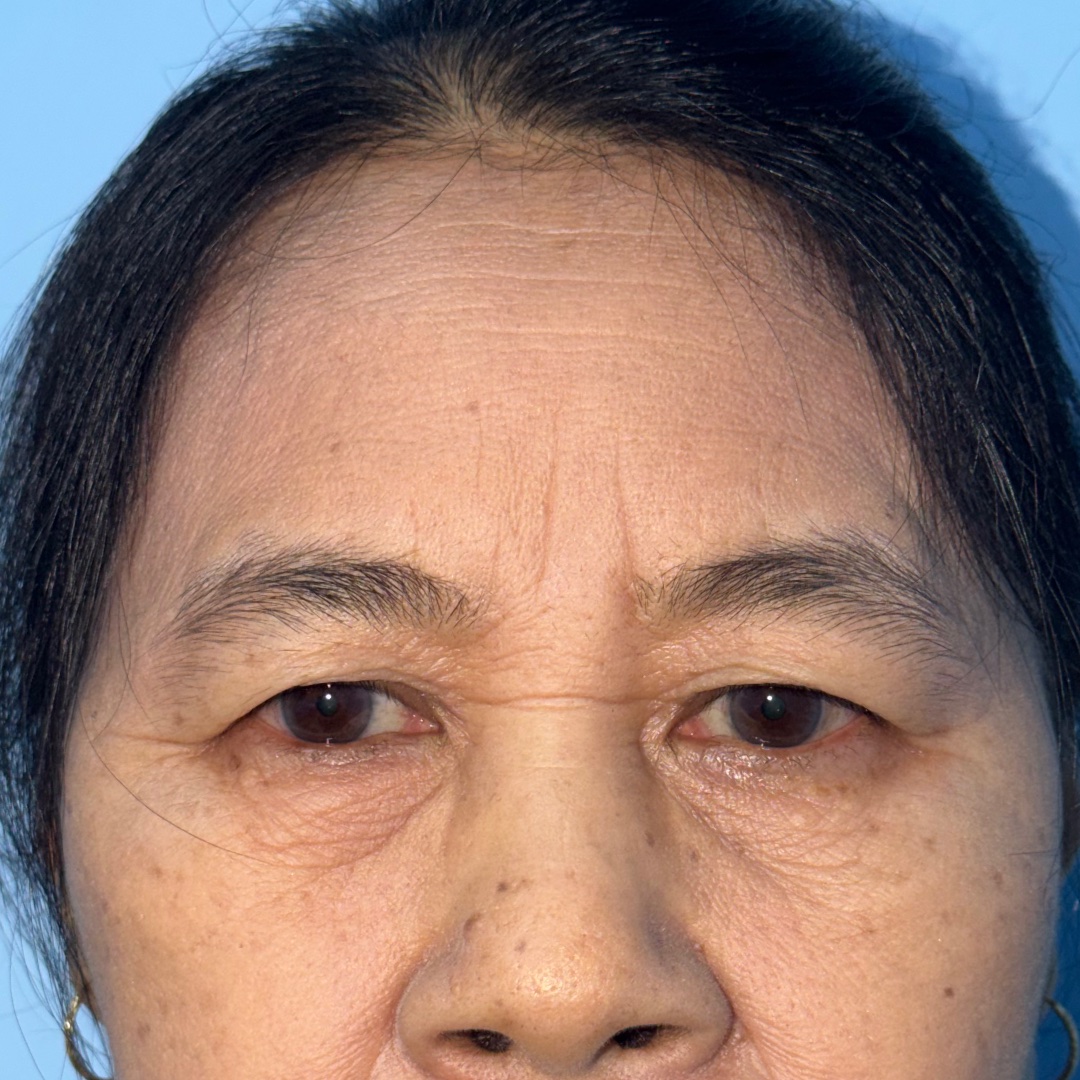
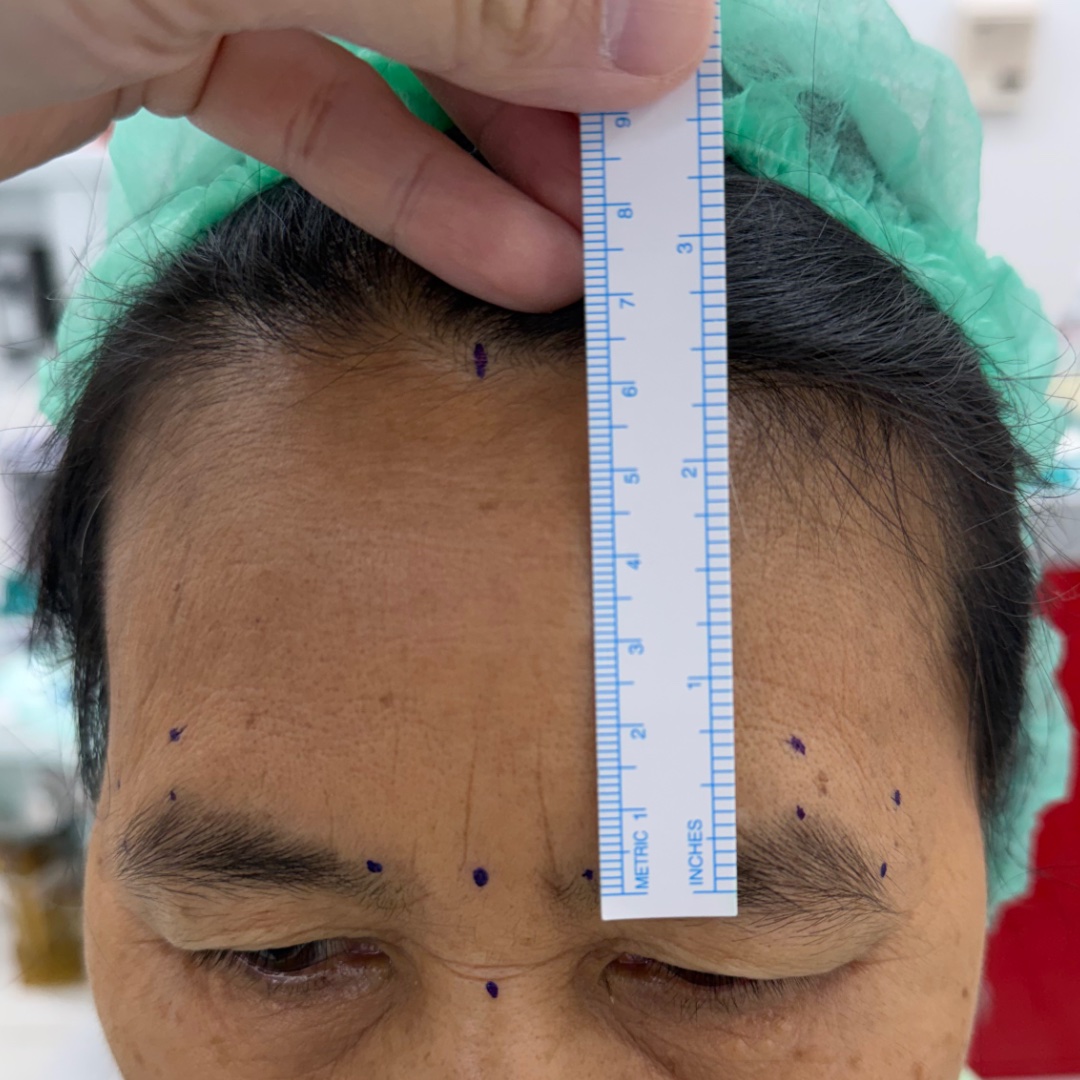
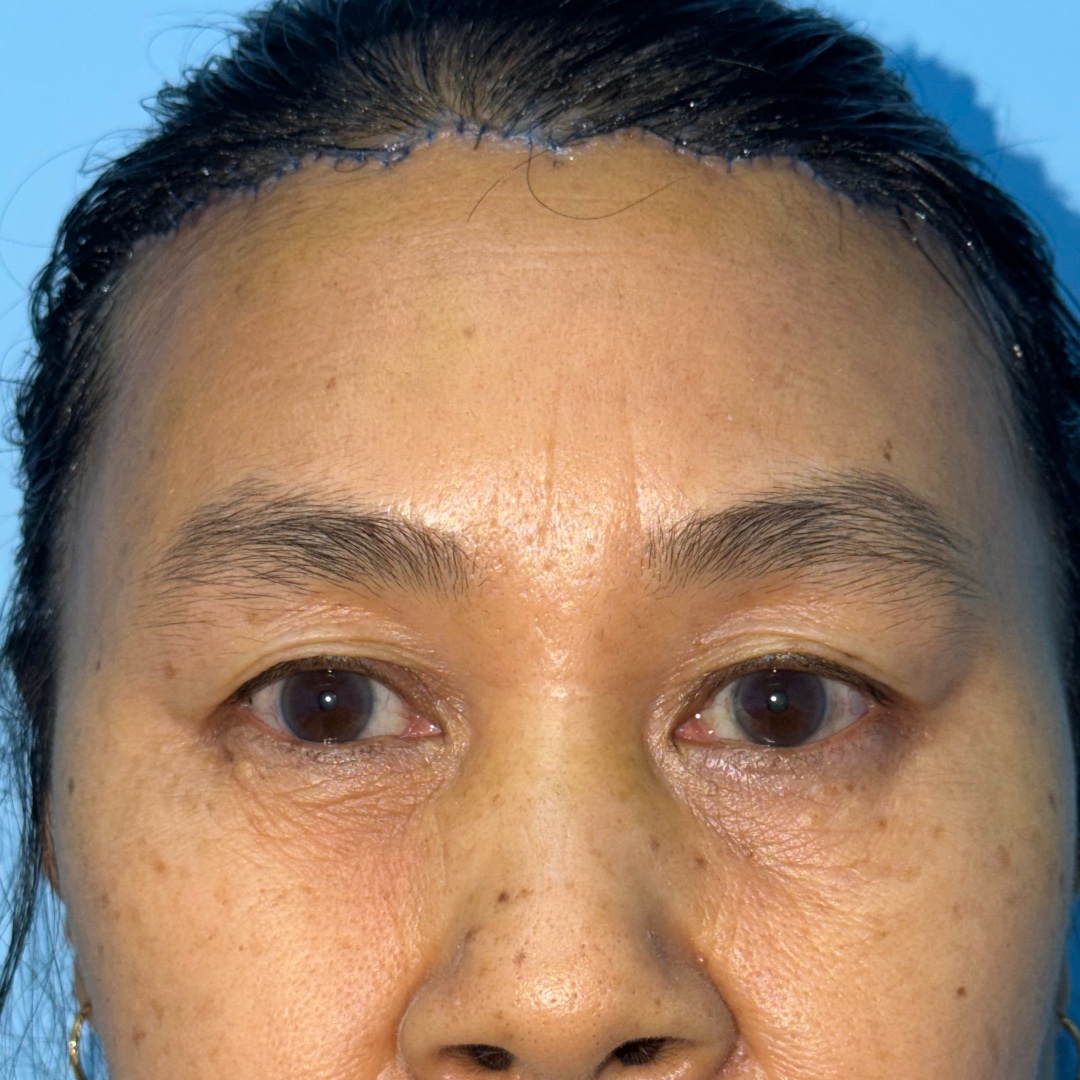
A hairline approach may improve brow position and forehead skin laxity through direct tissue adjustment. Selected excess forehead skin may be removed when indicated, with hairline position considered in the plan.
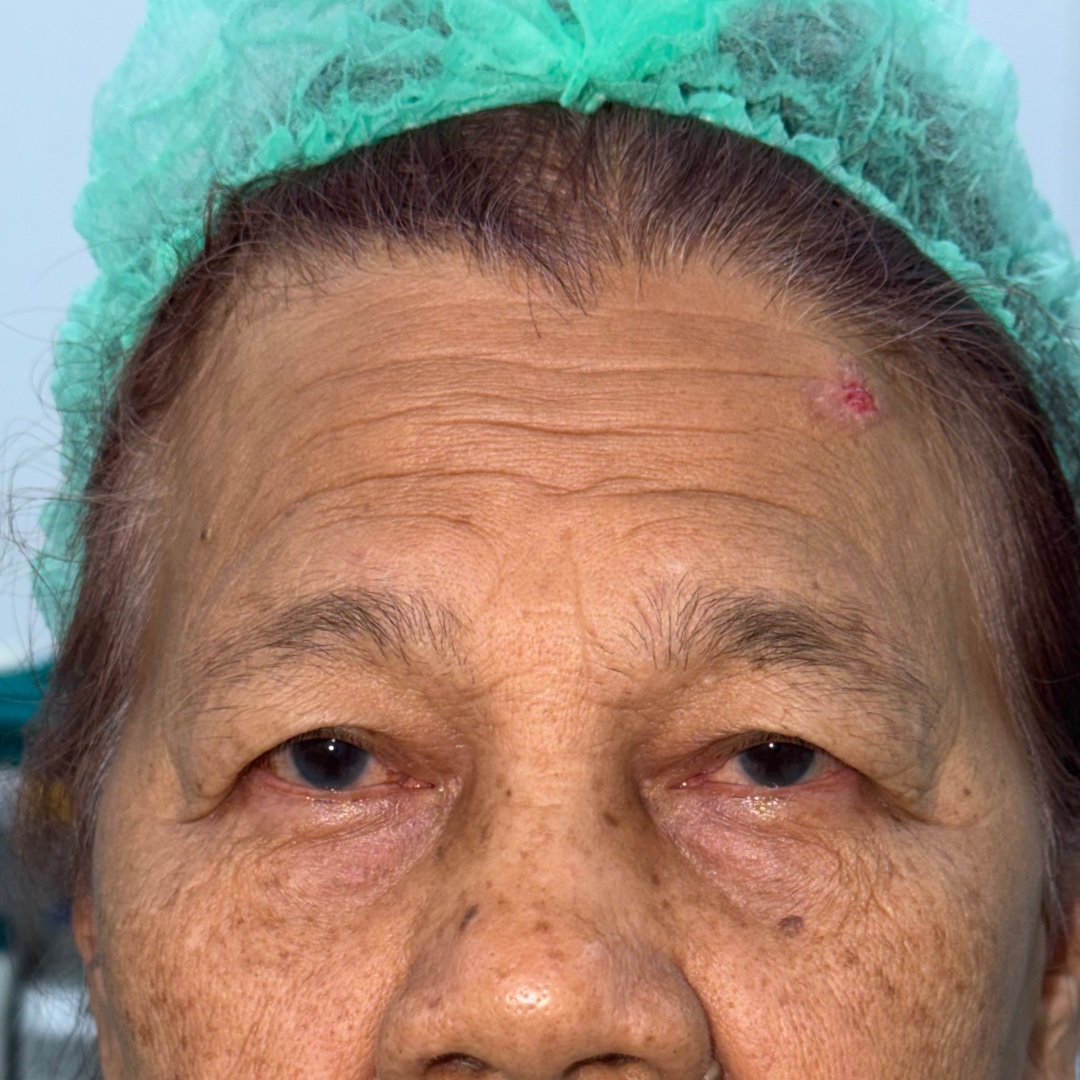 Before
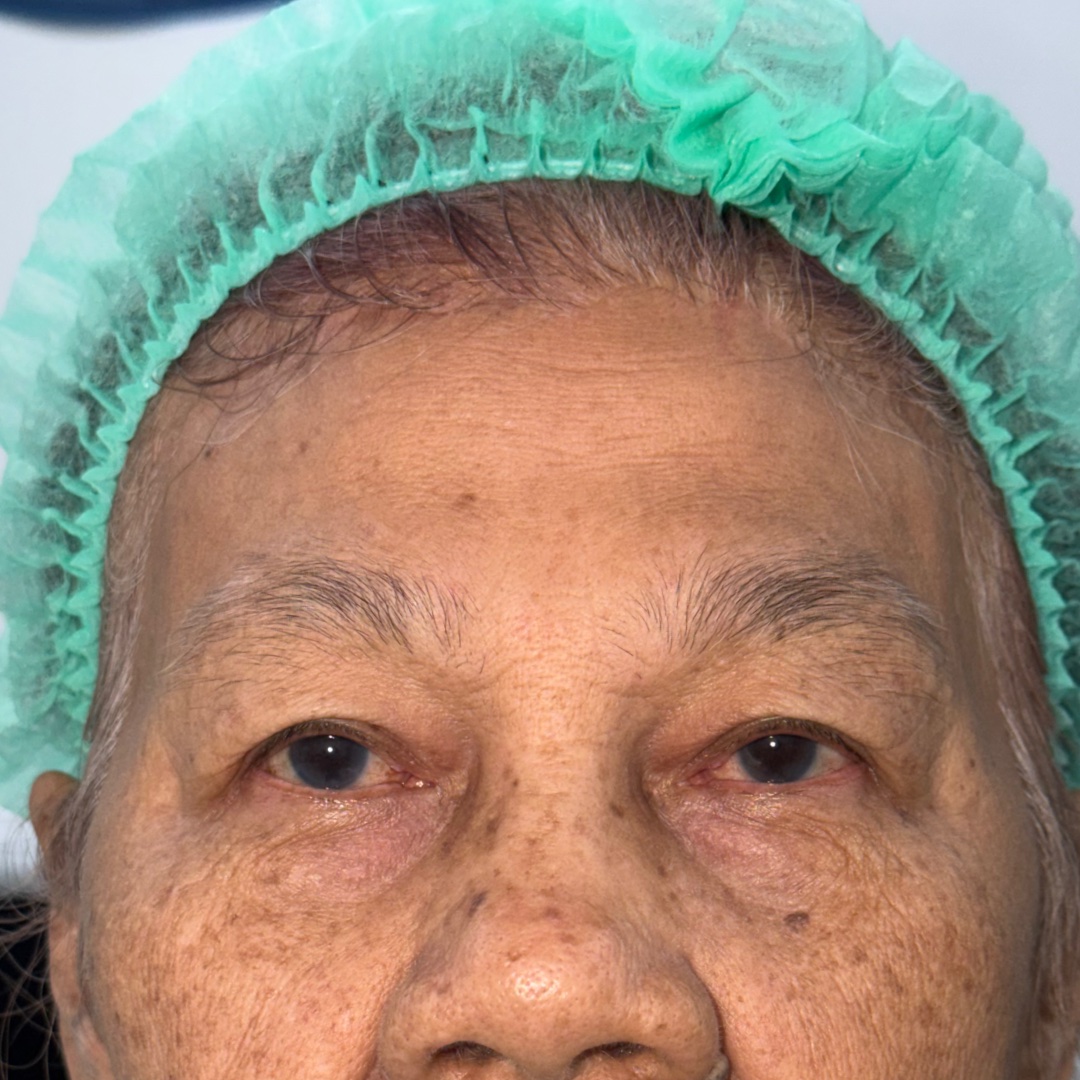 After · 5 months
Hairline Forehead Lift · 5-month follow-up
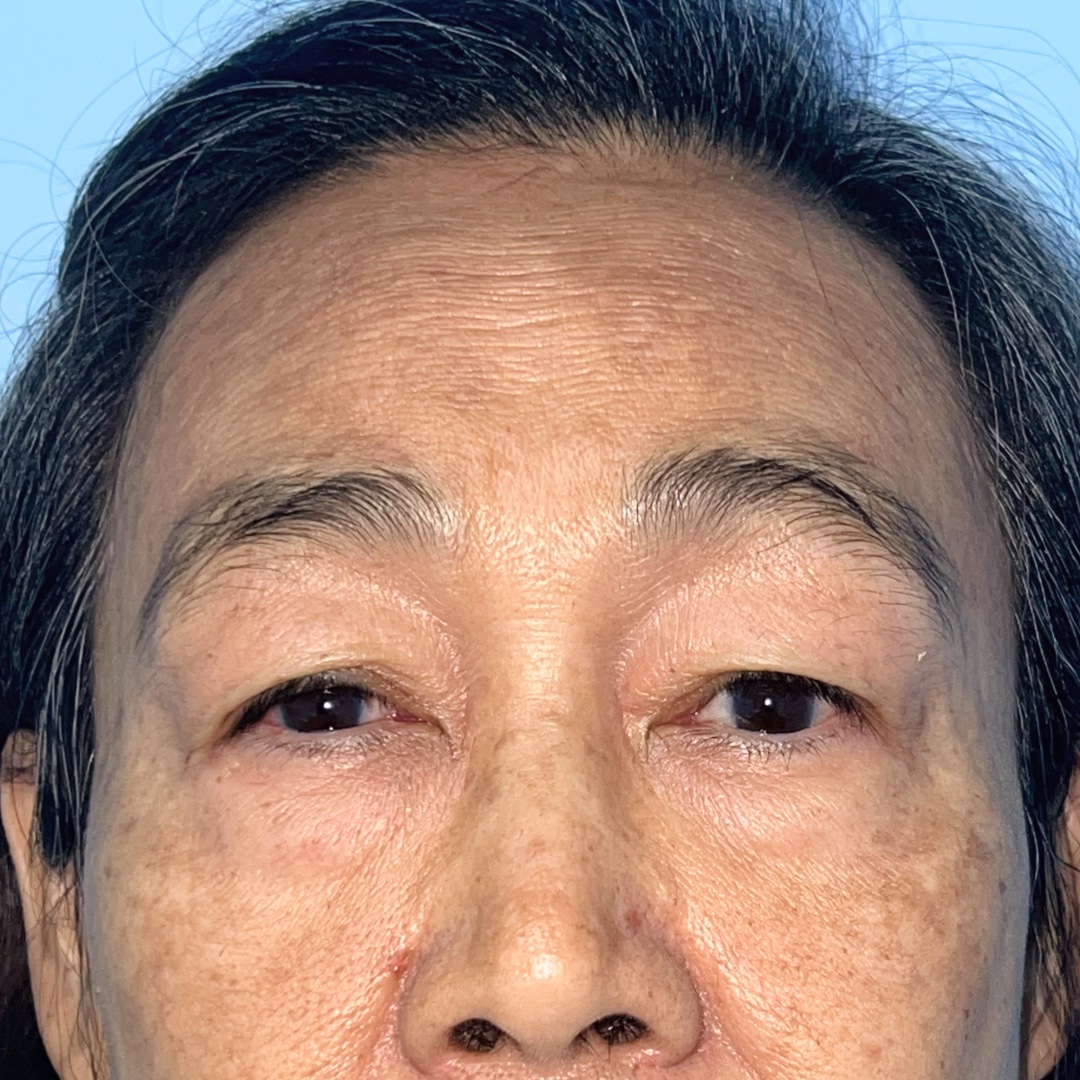 Before
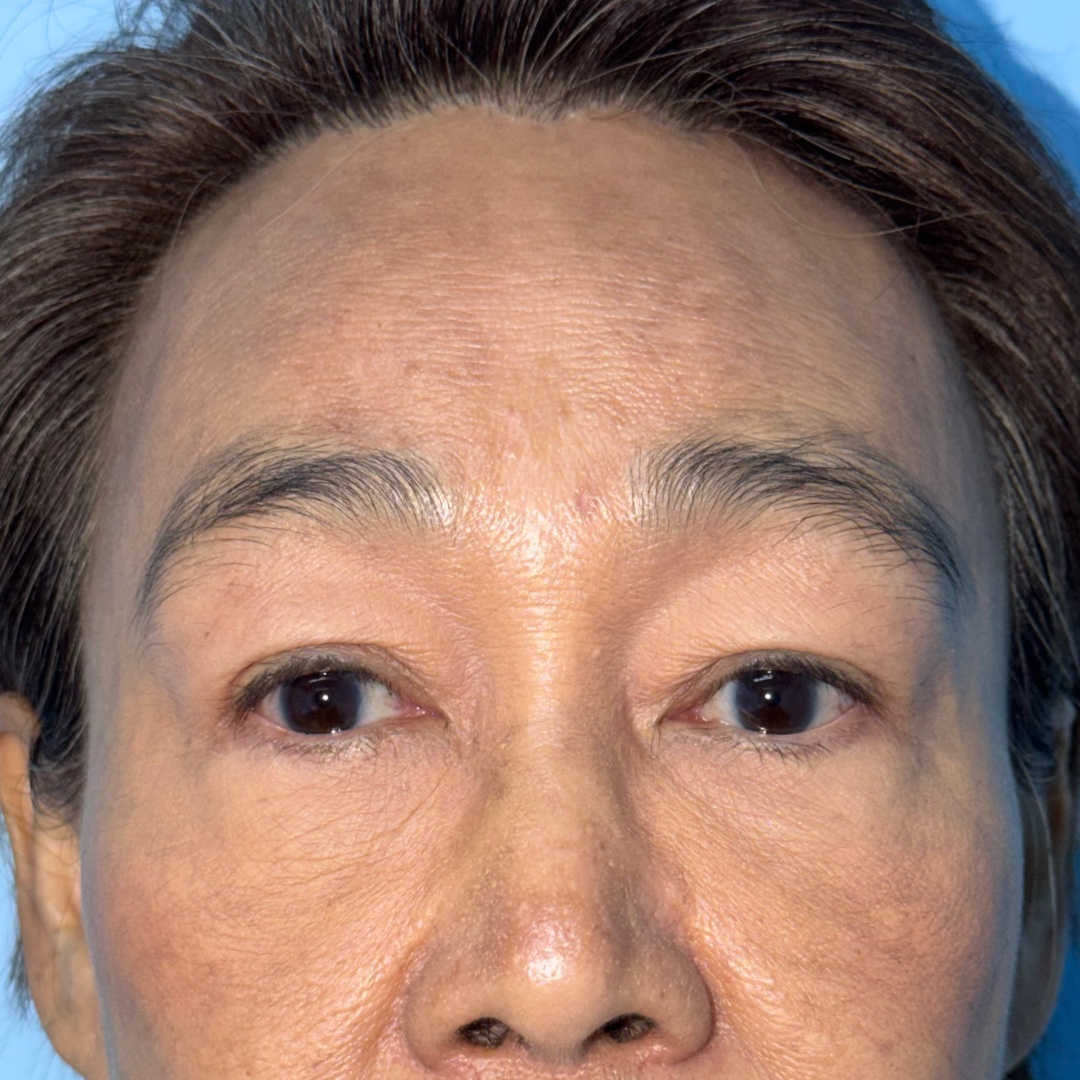 After · 10 months
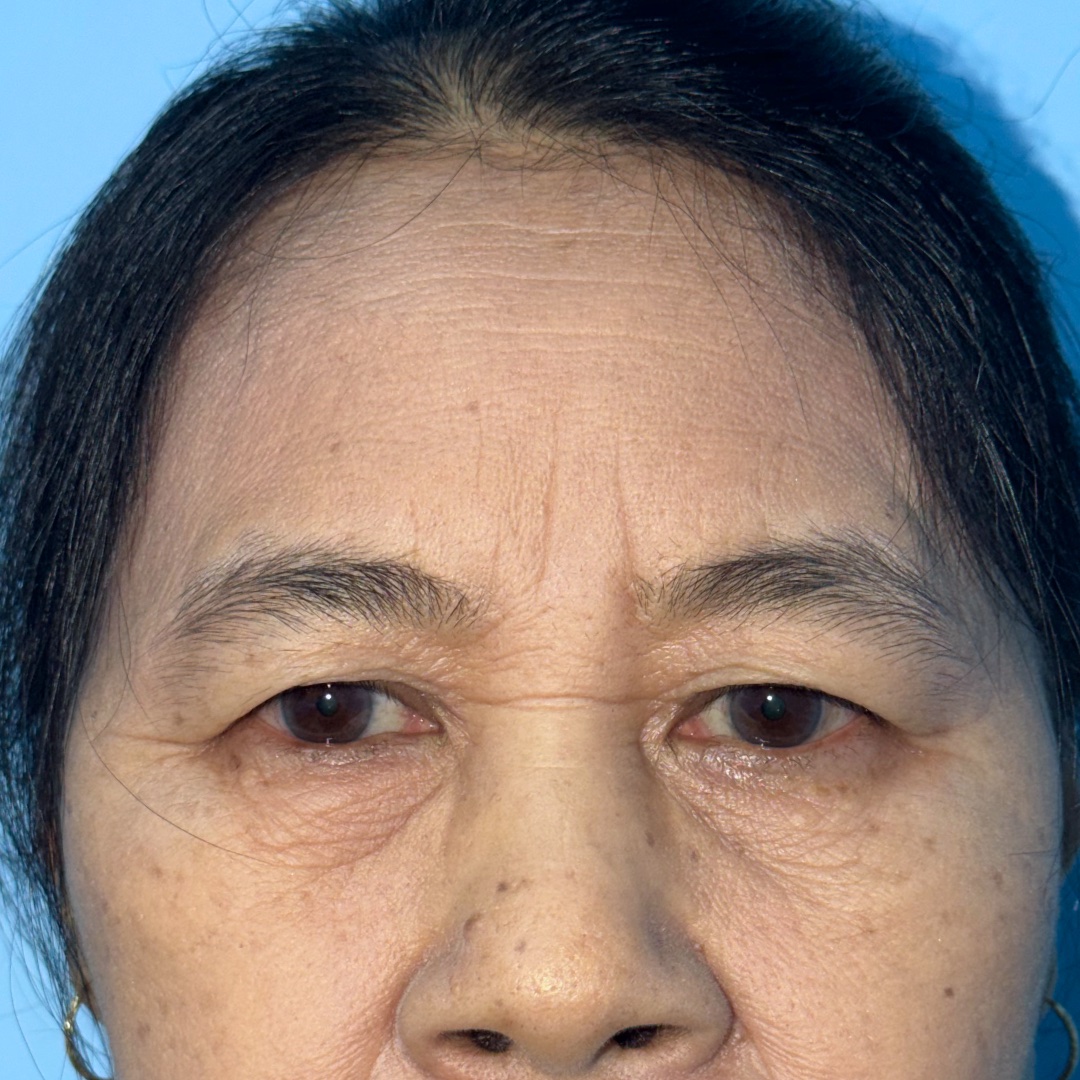
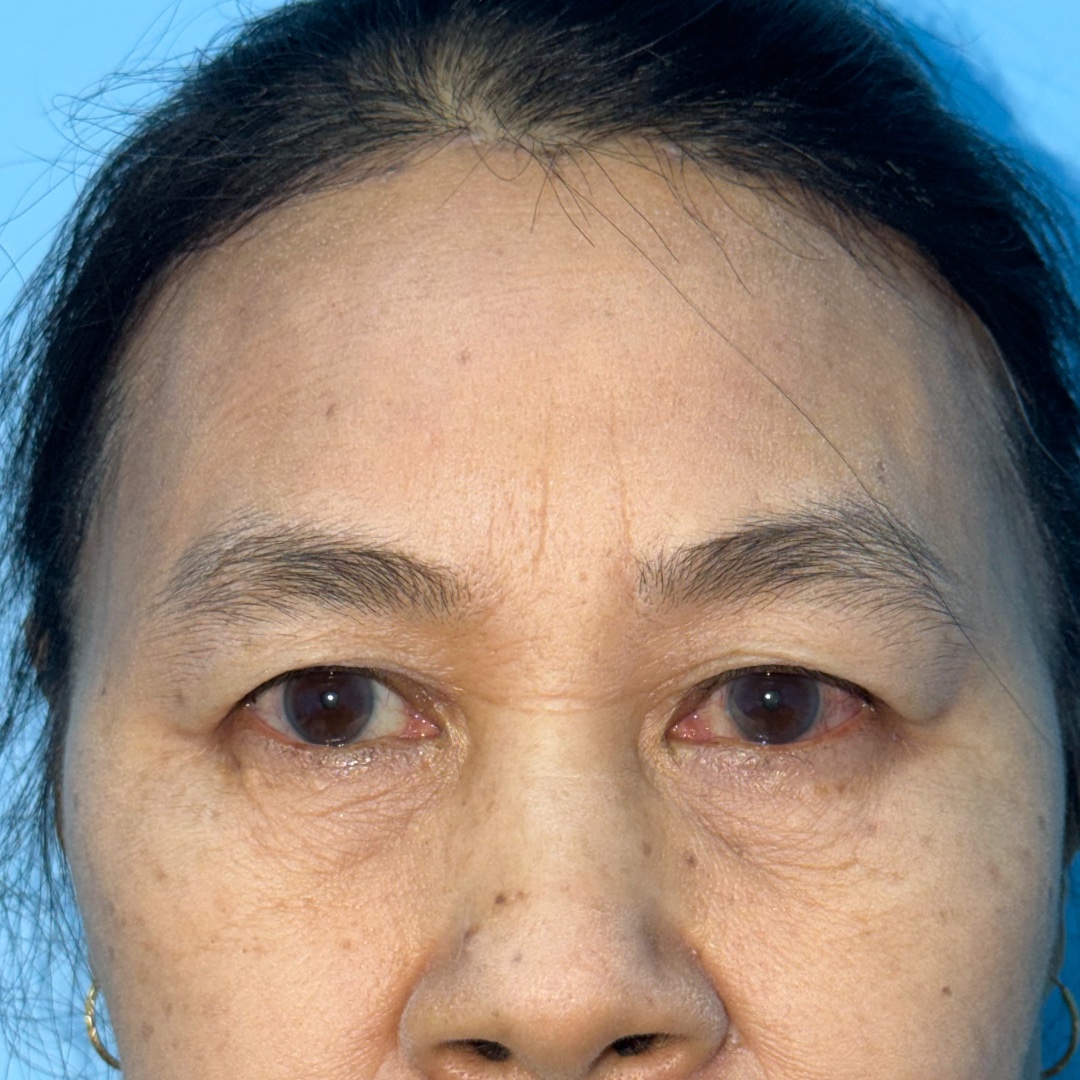
Hairline Forehead Lift + Upper Blepharoplasty · 10-month follow-up
This case included upper blepharoplasty in addition to forehead lifting.
WHAT HAPPENS DURING SURGERY
What does the operation involve?
An incision is planned along the frontal hairline. Forehead tissues are adjusted according to the intended correction, selected excess skin may be removed, and closure is planned with attention to tissue tension, hairline position, and scar placement.
RECOVERY
Swelling and scar maturation take time.
Swelling, bruising, tightness, and temporary changes in forehead or scalp sensation may occur. The incision and surrounding tissues continue to heal, and scar appearance matures over time.
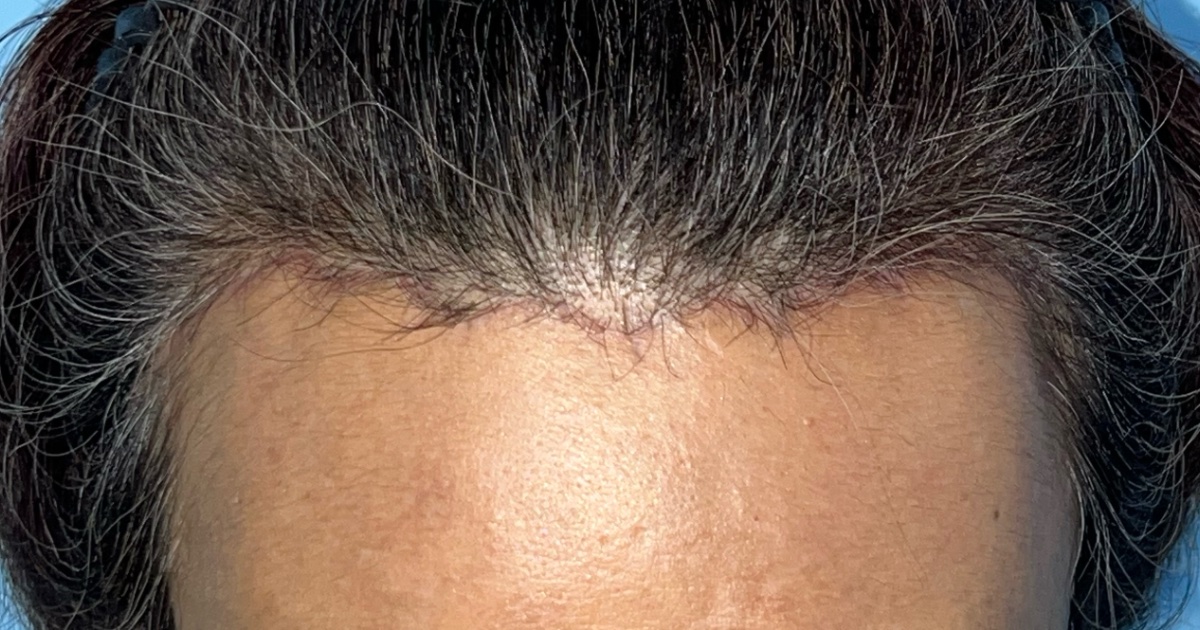
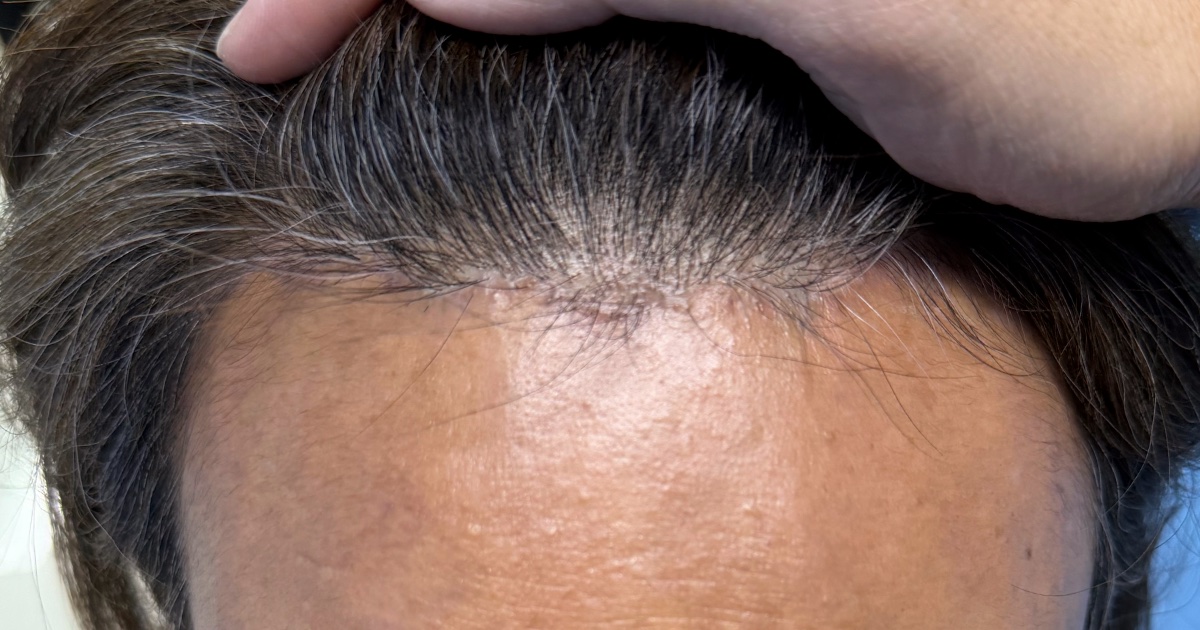
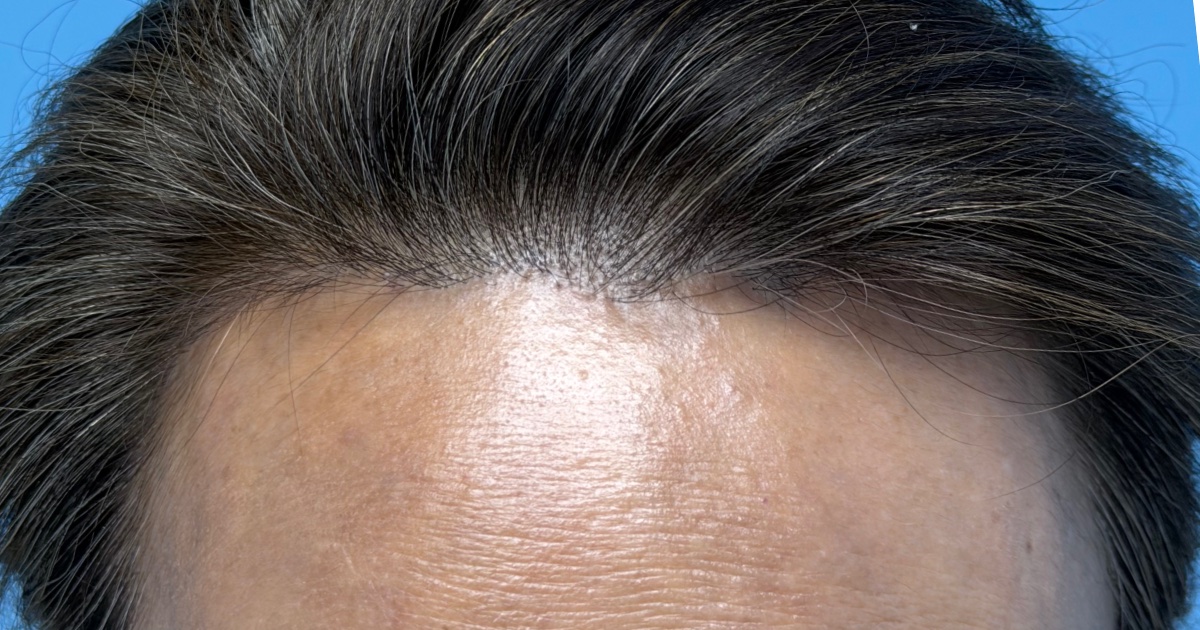
Recovery varies between patients. These images show one patient’s healing course from 6 weeks through 10 months after surgery.
RISKS & LIMITATIONS
Scar and hairline considerations are part of the decision.
Potential risks include bleeding, infection, swelling, bruising, visible or widened scarring, altered sensation, hair loss around the incision, hairline changes, asymmetry, undercorrection, overcorrection, recurrent brow descent, and the possibility of revision. Individual risk varies with anatomy, skin and hair characteristics, previous surgery, medical history, and technique.
RELATED PATIENT RESULTS
See hairline forehead lift results with clinical context
Patient results are presented together with the procedures performed and the follow-up period to provide clinical context.
View Hairline Forehead Lift ResultsCOMPARE TECHNIQUES
Understanding the differences.
Neither approach is universally better. This comparison highlights considerations that may influence treatment planning; it is not a substitute for an examination or a recommendation for a particular operation.
| Consideration | Endoscopic Brow Lift | Hairline Forehead Lift |
|---|---|---|
| Surgical approach | Small scalp incisions with endoscopic visualization and tissue repositioning. | An incision along the frontal hairline, allowing direct forehead tissue and skin adjustment. |
| Skin adjustment | Primarily repositions selected underlying tissues; direct forehead skin excision is not the usual central step. | Selected excess forehead skin may be removed when indicated. |
| Hairline considerations | Hairline movement depends on anatomy, dissection, fixation, and technique. It should not be assumed to be unchanged. | Hairline position can be considered directly in planning; the extent and direction of change depend on the operation. |
| Incision and scar | Small incisions generally within the hair-bearing scalp. Scars and localized hair changes remain possible. | Incision along the frontal hairline. Scar visibility depends on healing, hair characteristics, and surgical planning. |
| Potential suitability | Selected patients where endoscopic tissue repositioning is appropriate for the anatomy and goals. | Selected patients where direct forehead adjustment and hairline considerations favor this approach. |
| Recovery | Swelling, bruising, tightness, and temporary sensory changes may occur. Recovery varies. | Similar early healing concerns, with additional attention to the hairline incision and scar maturation. |
| Important limitations | Does not correct every cause of eyelid heaviness. Recurrent descent, asymmetry, and nerve-related complications are possible. | Scar and hairline changes are important considerations. Recurrent descent, asymmetry, and wound-healing problems are possible. |
Surgical approach
Small scalp incisions with endoscopic visualization and tissue repositioning.
An incision along the frontal hairline, allowing direct forehead tissue and skin adjustment.
Skin adjustment
Primarily repositions selected underlying tissues; direct forehead skin excision is not the usual central step.
Selected excess forehead skin may be removed when indicated.
Hairline considerations
Hairline movement depends on anatomy, dissection, fixation, and technique. It should not be assumed to be unchanged.
Hairline position can be considered directly in planning; the extent and direction of change depend on the operation.
Incision and scar
Small incisions generally within the hair-bearing scalp. Scars and localized hair changes remain possible.
Incision along the frontal hairline. Scar visibility depends on healing, hair characteristics, and surgical planning.
Potential suitability
Selected patients where endoscopic tissue repositioning is appropriate for the anatomy and goals.
Selected patients where direct forehead adjustment and hairline considerations favor this approach.
Recovery
Swelling, bruising, tightness, and temporary sensory changes may occur. Recovery varies.
Similar early healing concerns, with additional attention to the hairline incision and scar maturation.
Important limitations
Does not correct every cause of eyelid heaviness. Recurrent descent, asymmetry, and nerve-related complications are possible.
Scar and hairline changes are important considerations. Recurrent descent, asymmetry, and wound-healing problems are possible.
The final choice depends on clinical assessment and the details of the proposed technique. Hairline movement, scar placement, fixation, and the extent of skin adjustment should be discussed with Dr. Joe for the individual patient.
RELATED PROCEDURES
Similar concerns may involve other structures
CONSULTATION
Discuss your brow and forehead concerns with Dr. Joe
A consultation is an opportunity to review your concerns, examine the brow, forehead, hairline, and eyelids, and discuss the expected benefits, limitations, and available treatment options. The most appropriate approach may be endoscopic, hairline, another procedure, a combination, or no surgery.
Request Consultation