Eye & Brow Surgery
The eyelids and brows work together to shape the appearance and function of the upper face. Understanding whether a concern comes from the skin, eyelid position, brow position, or a combination of these factors is the first step toward choosing an appropriate treatment.
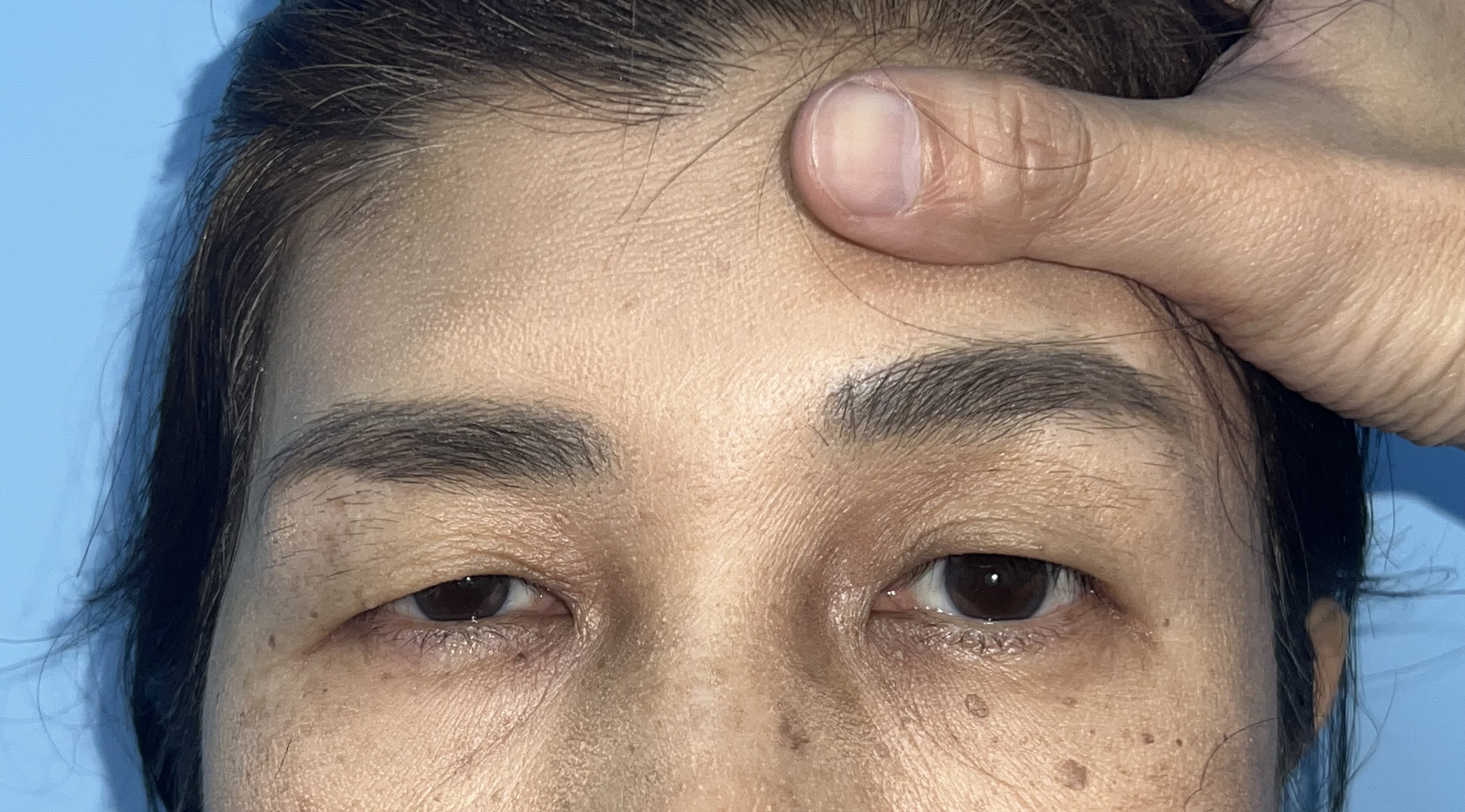
EXPLORE PROCEDURES
Treatment options for the eyes and brow.
Each procedure addresses a different anatomical concern. The most appropriate approach depends on the examination, individual anatomy, and the patient's goals.
Upper Blepharoplasty
Upper eyelid surgery to address excess skin, hooding, or the eyelid crease.
Ptosis Surgery
Surgery for true upper eyelid drooping. Treatment planning considers eyelid position, function, symmetry, and the underlying cause.
Lower Blepharoplasty
Lower eyelid surgery for selected concerns involving under-eye bags, skin excess, tear trough hollowing, or changes in the lower eyelid contour.
Endoscopic Brow Lift / Hairline Forehead Lift
Approaches to brow and forehead lifting for selected patients with brow descent, deep forehead lines, or a high forehead.
UNDERSTANDING THE CONCERN
Similar appearances can have different causes.
Upper eyelid heaviness or a tired appearance can come from different structures around the eyes and brow. Assessment helps identify which factors are contributing before treatment is planned.
Eyelid skin excess
Excess upper eyelid skin may cause hooding or alter the eyelid crease.
Eyelid ptosis
A low upper eyelid margin may result from reduced eyelid elevation and requires functional assessment.
Brow descent
A lower brow position can contribute to upper eyelid heaviness and may coexist with skin excess or ptosis.
These factors may overlap, so treatment planning should consider the eyelids and brow together.
DR. JOE'S APPROACH
The procedure follows the diagnosis.
My approach to periorbital surgery begins with identifying which structures are contributing to the concern — including the eyelid skin, eyelid position, brow position, and their relationship to one another.
Treatment is then planned around the individual patient, which may involve a single procedure or a combined approach.
Periorbital surgery is not only about appearance. In selected patients, it may also improve function — including the visual field — and reduce the sense of heaviness around the eyes.
CONSULTATION
Not sure which procedure is appropriate?
A consultation is an opportunity to discuss your concerns, review the relevant anatomy, and understand the available options, their limitations, and whether surgery is appropriate for you.