





Request Consultation

Structural & Functional Rhinoplasty

Structural and functional rhinoplasty focuses on nasal support, alignment, and selected airflow-related concerns. These issues may be present in either first-time or revision surgery and are assessed as part of the overall surgical plan.

WHO THIS MAY HELP

When might structural or functional planning be relevant?

Structural or functional assessment may be relevant when nasal shape and support are associated with concerns about alignment, stability, symmetry, or breathing.

  • Nasal deviation or asymmetry
  • Weak or insufficient structural support
  • Breathing symptoms where nasal structure may be contributing
  • Congenital or post-traumatic nasal deformity

These concerns do not define a separate type of patient. They may be present in primary rhinoplasty, revision rhinoplasty, or both.

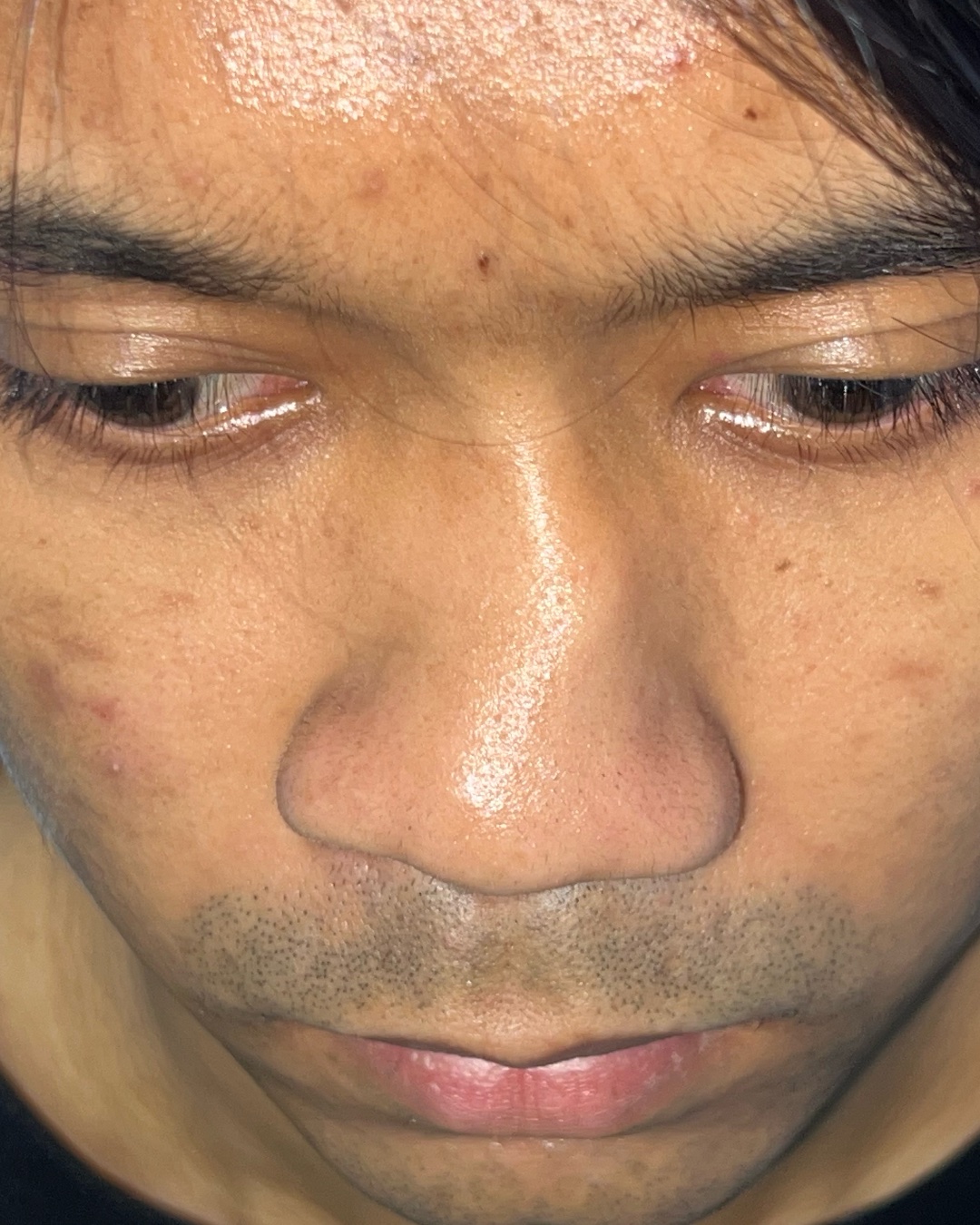
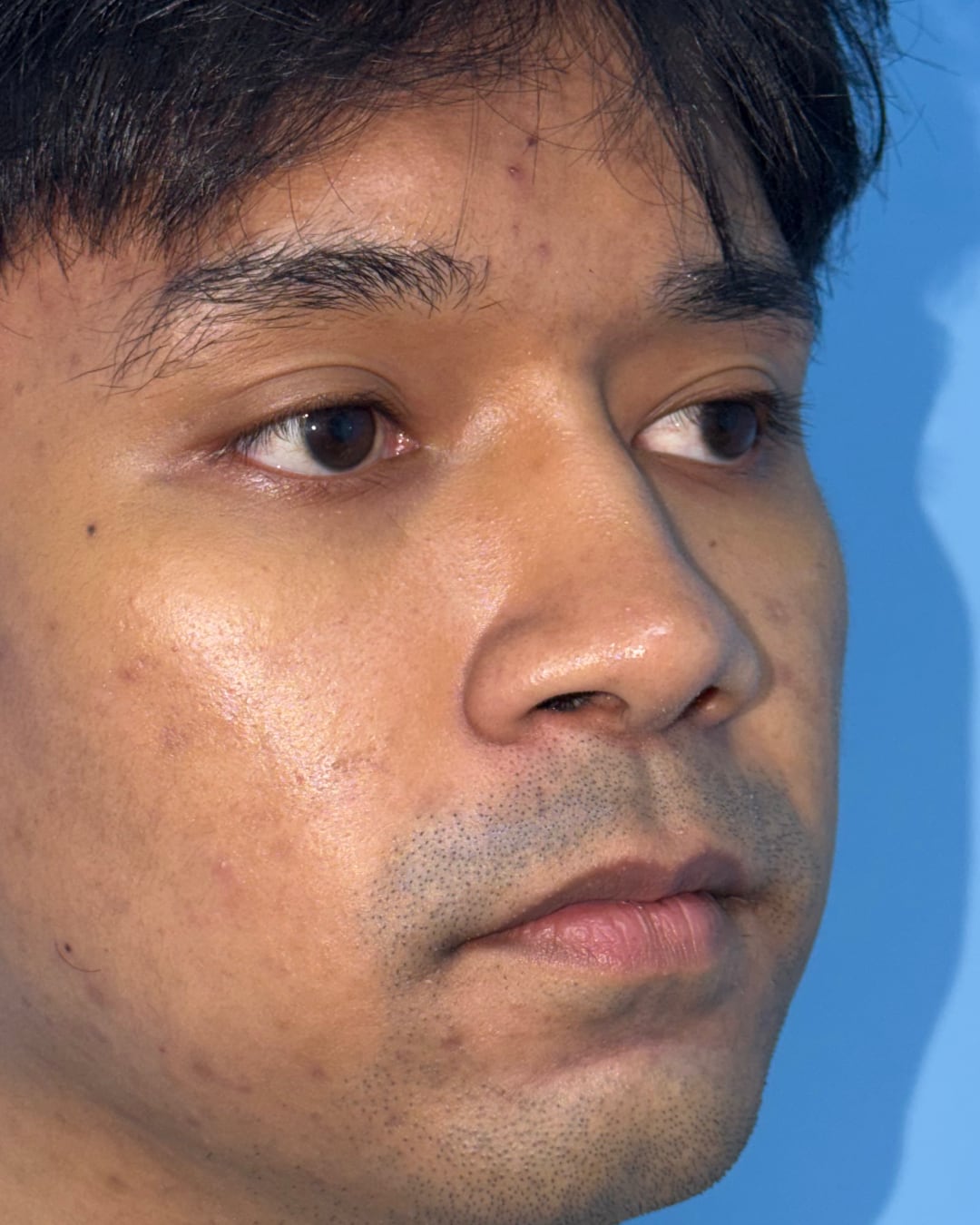
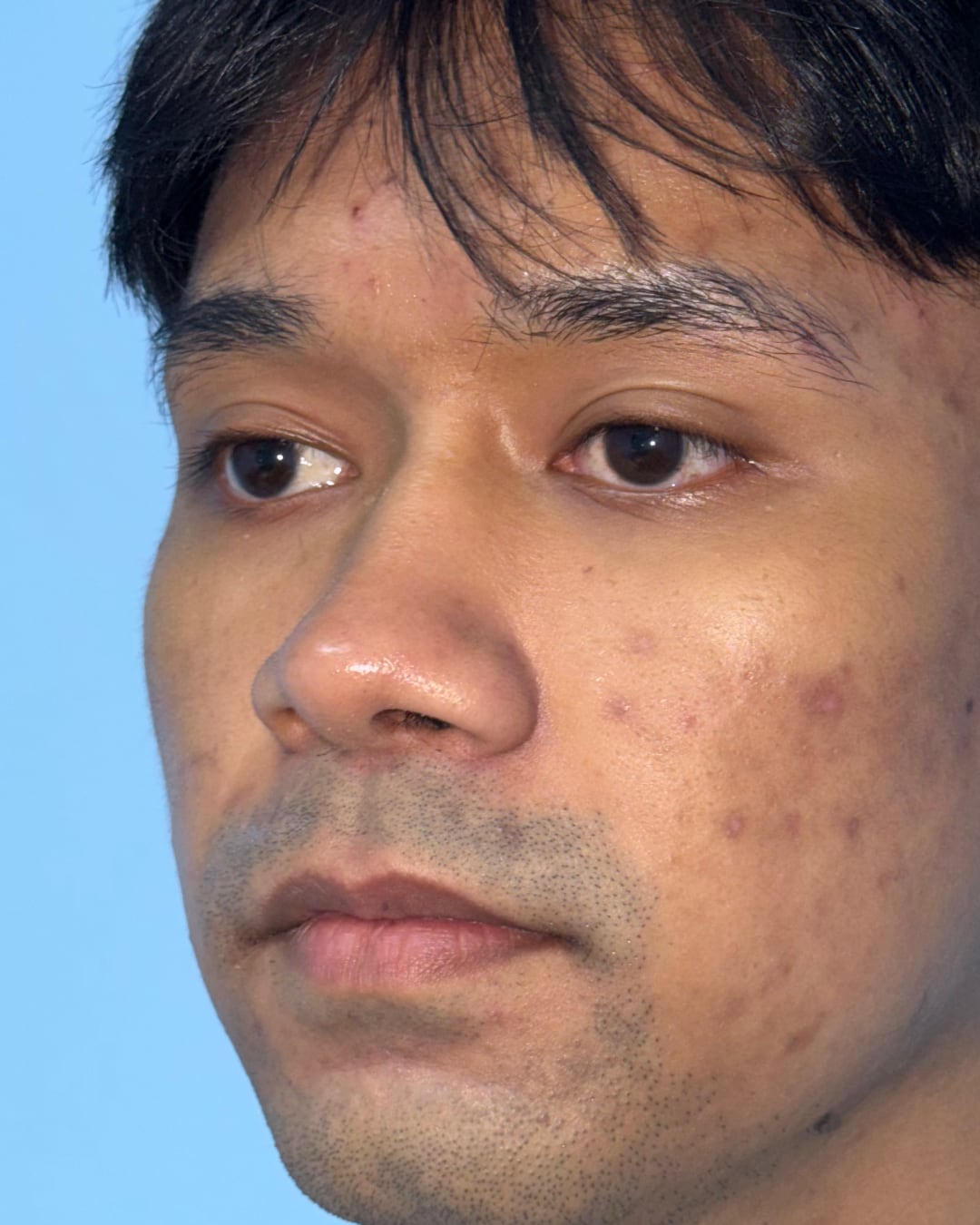
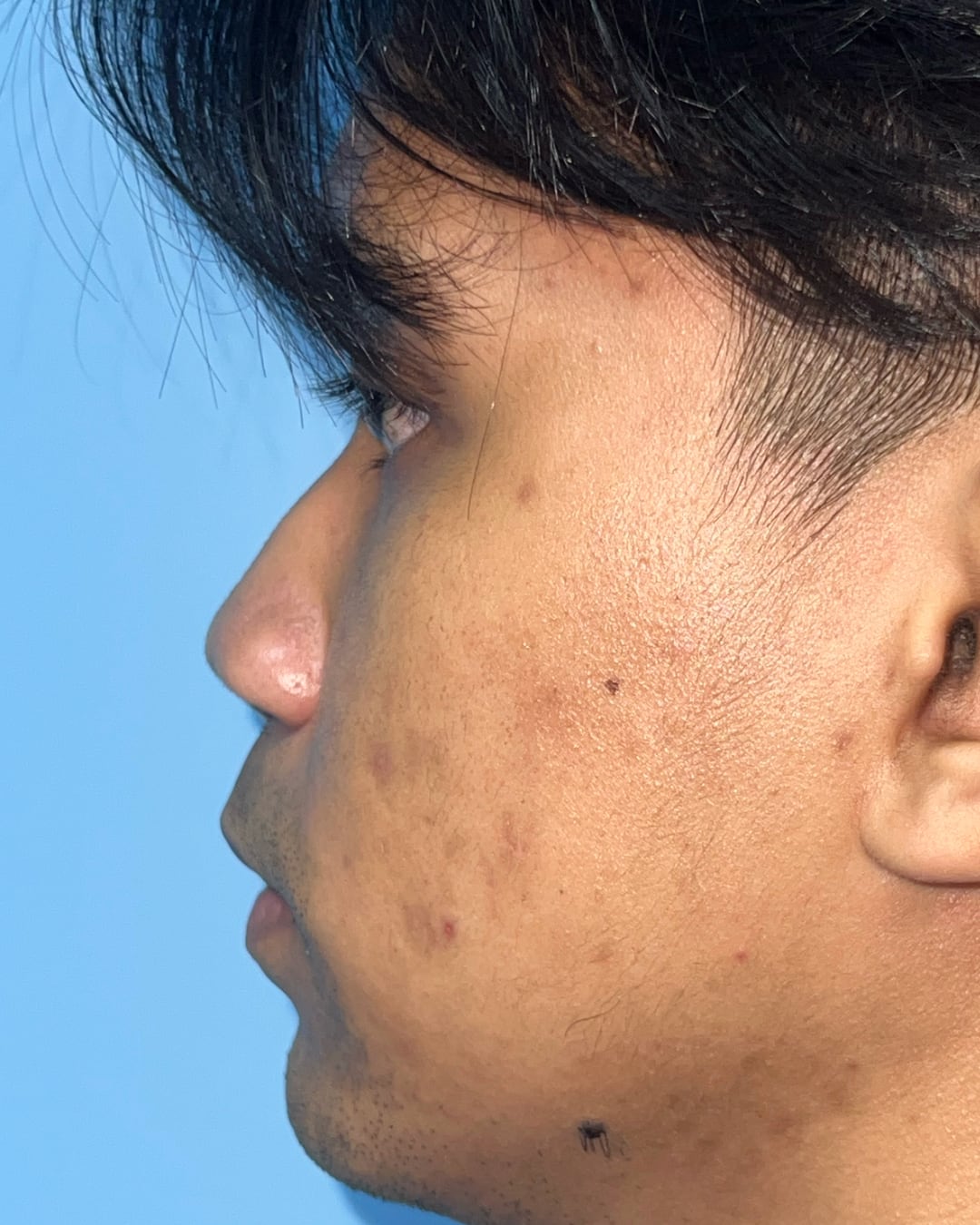
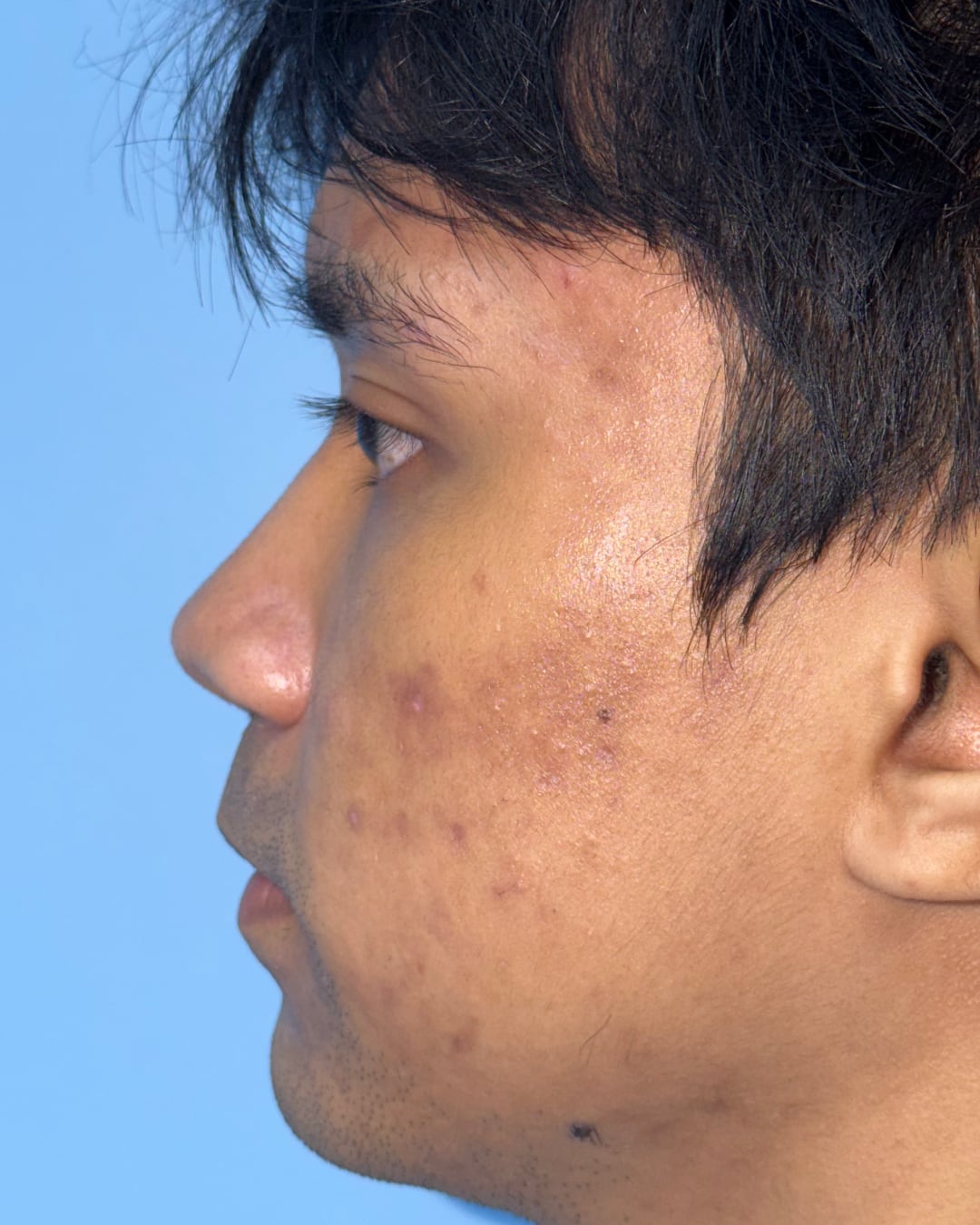
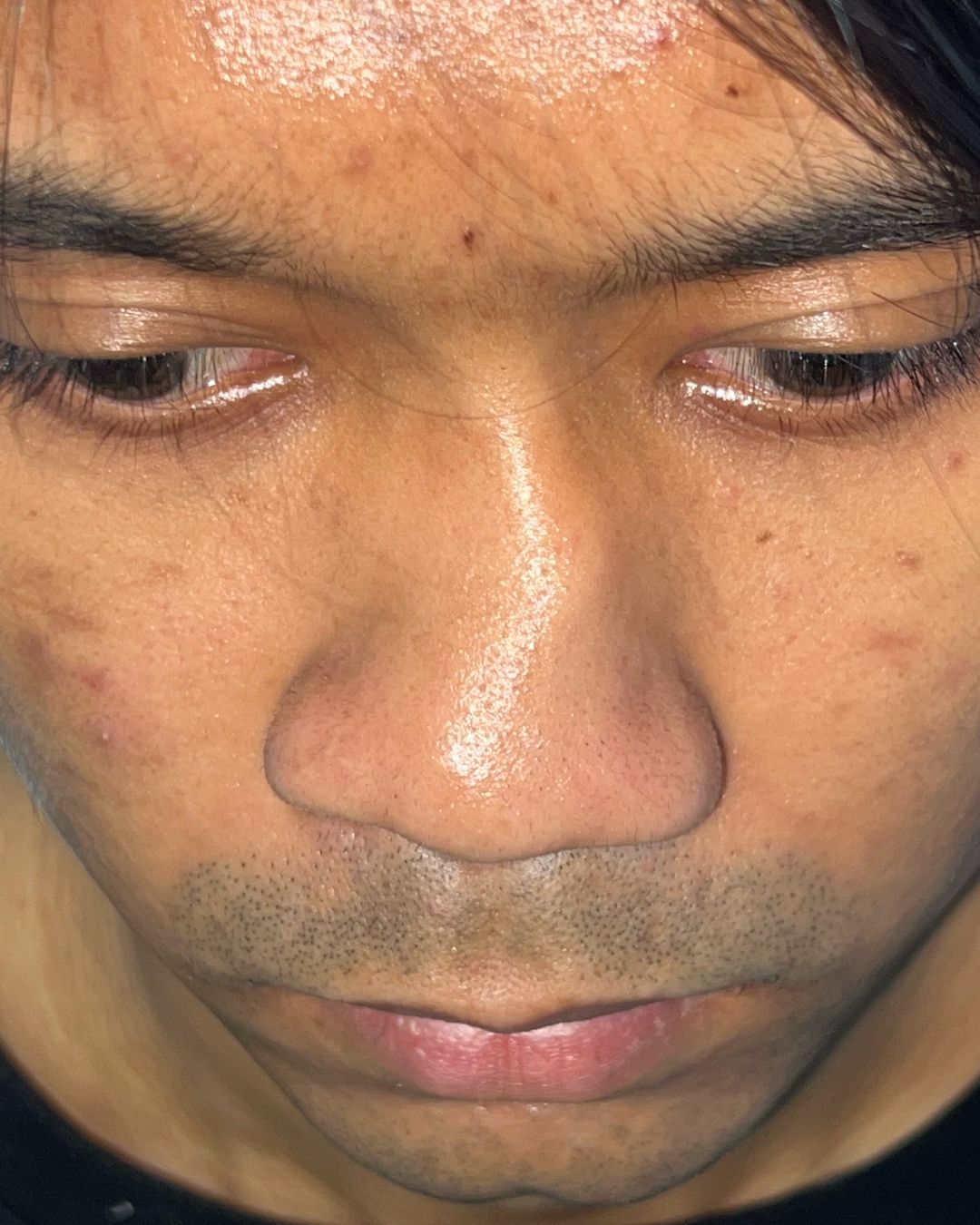
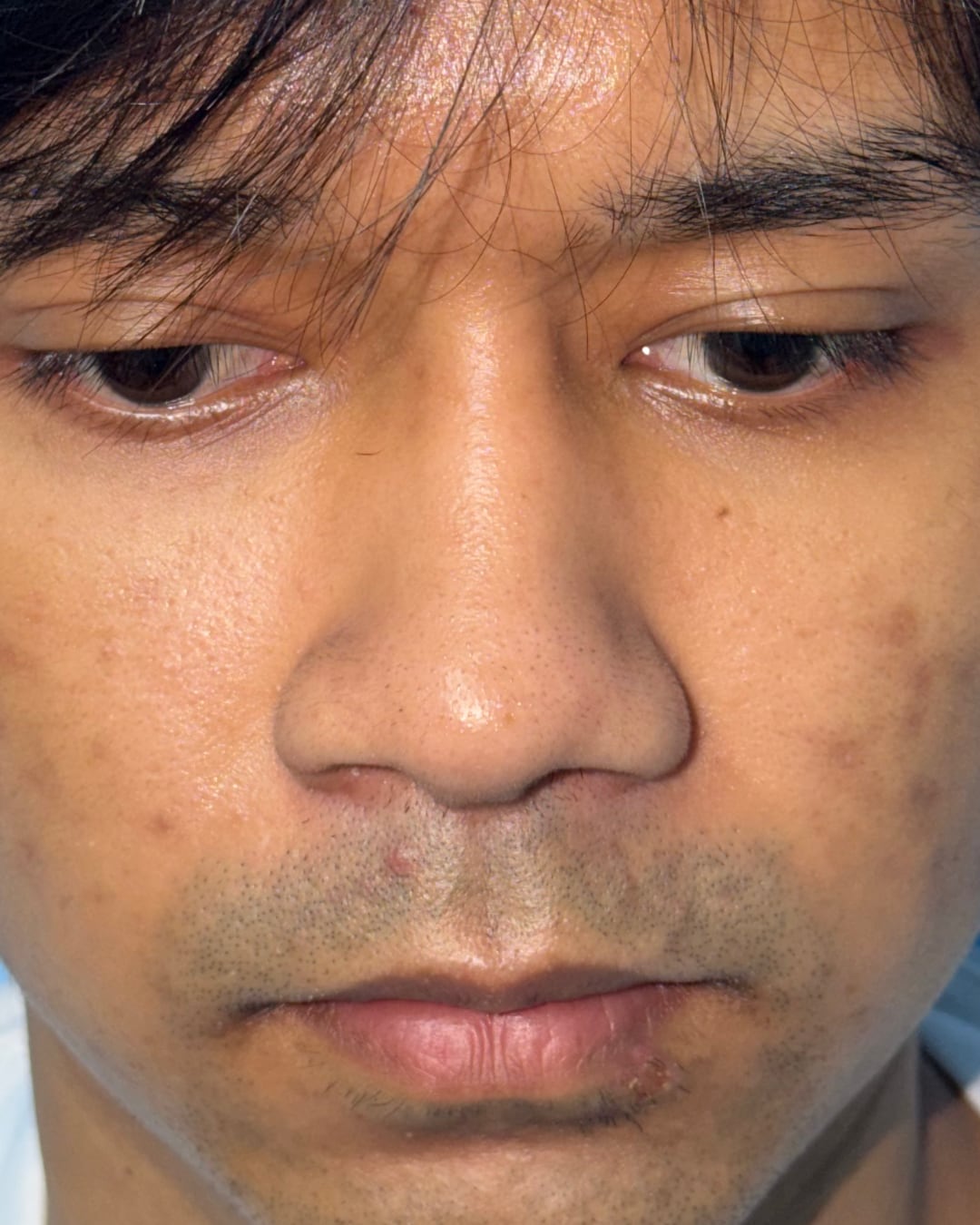
Clinical example illustrating nasal asymmetry in structural rhinoplasty assessment

WHAT SURGERY MAY ADDRESS

Support and shape are planned together.

Depending on the anatomy, surgery may address selected deviation, asymmetry, weak support, or structural problems that may contribute to nasal function.

The degree of correction depends on the underlying anatomy, tissue quality, structural support, and the need to preserve nasal function.

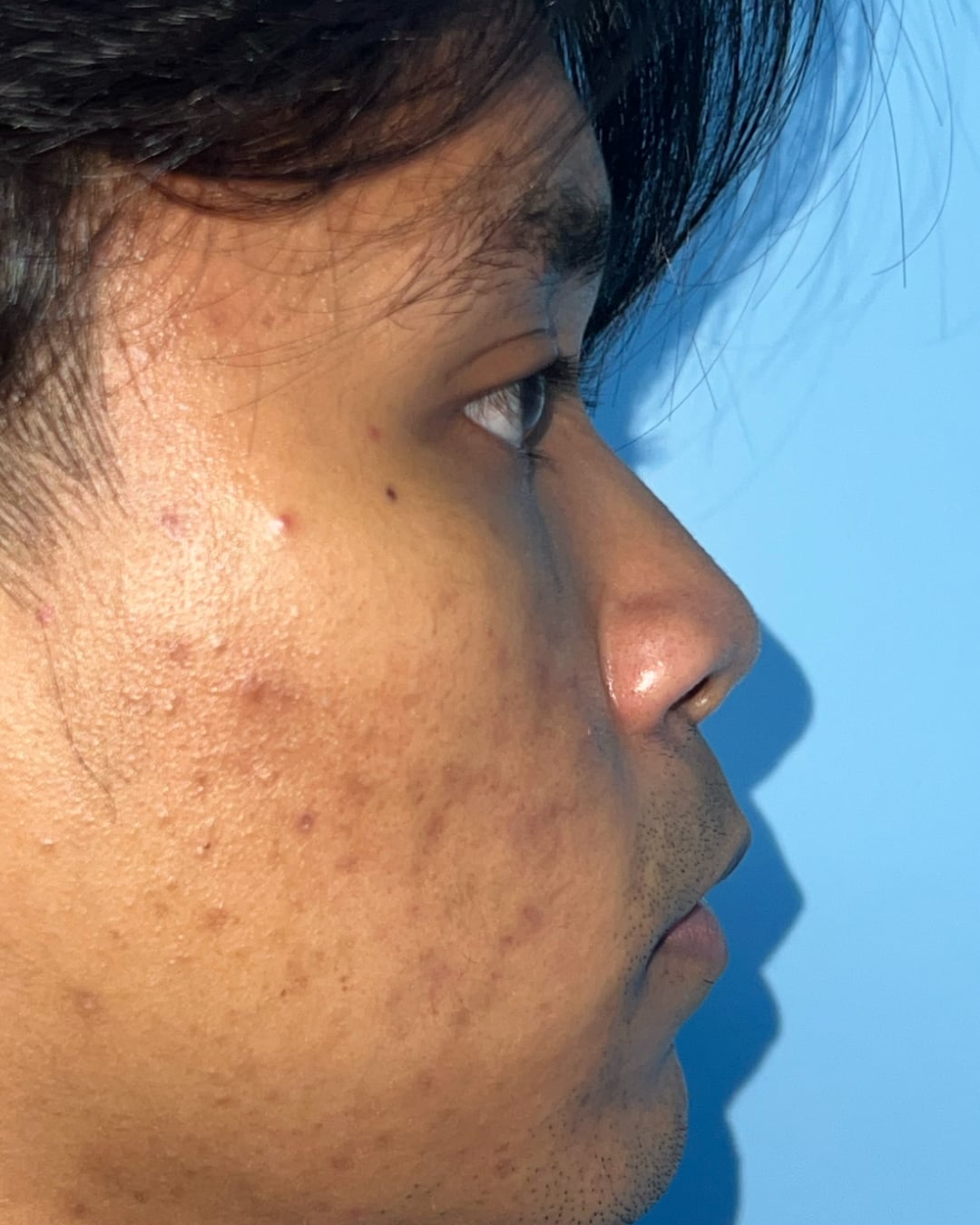
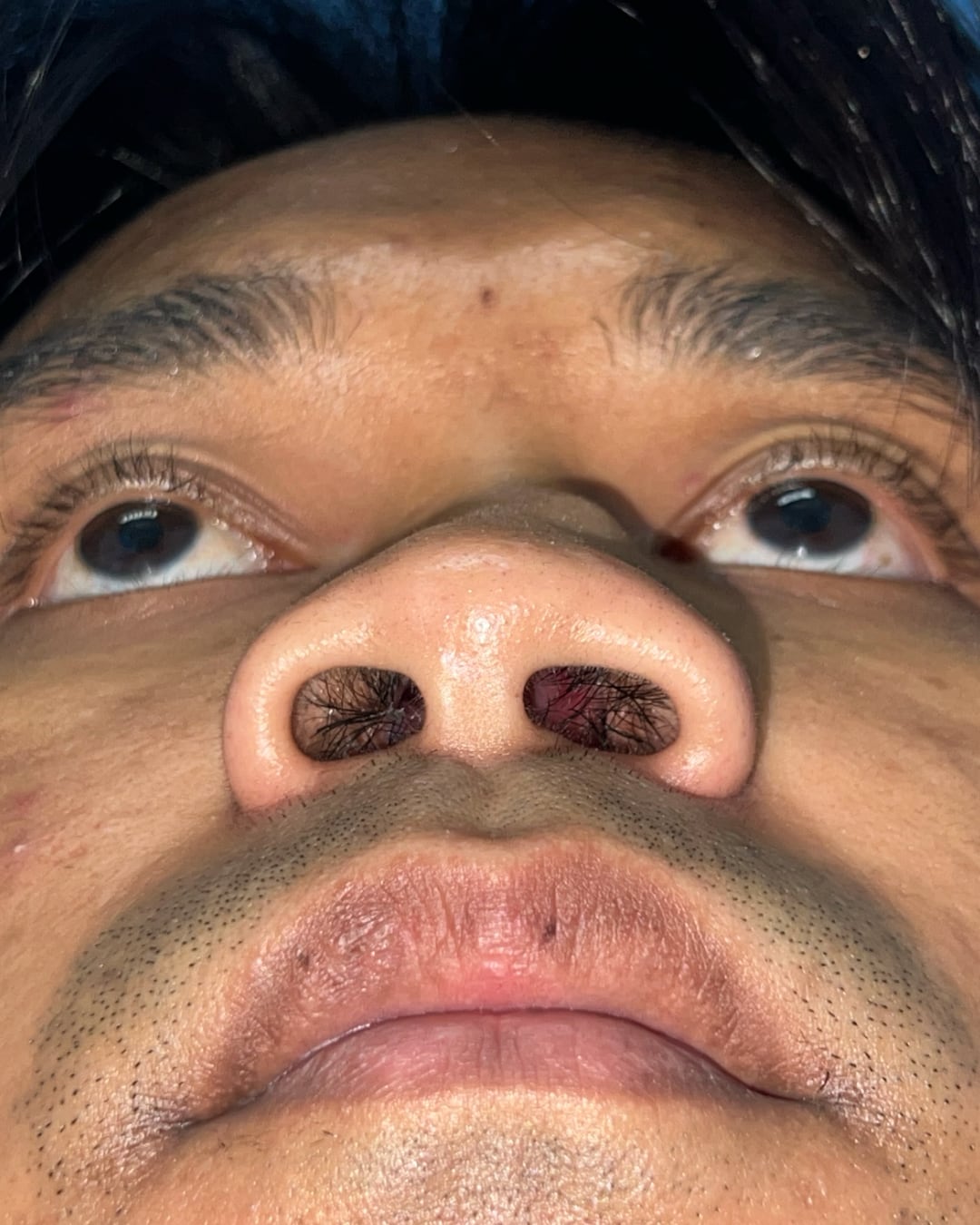
Before structural and functional rhinoplasty showing severe congenital nasal deviation Before
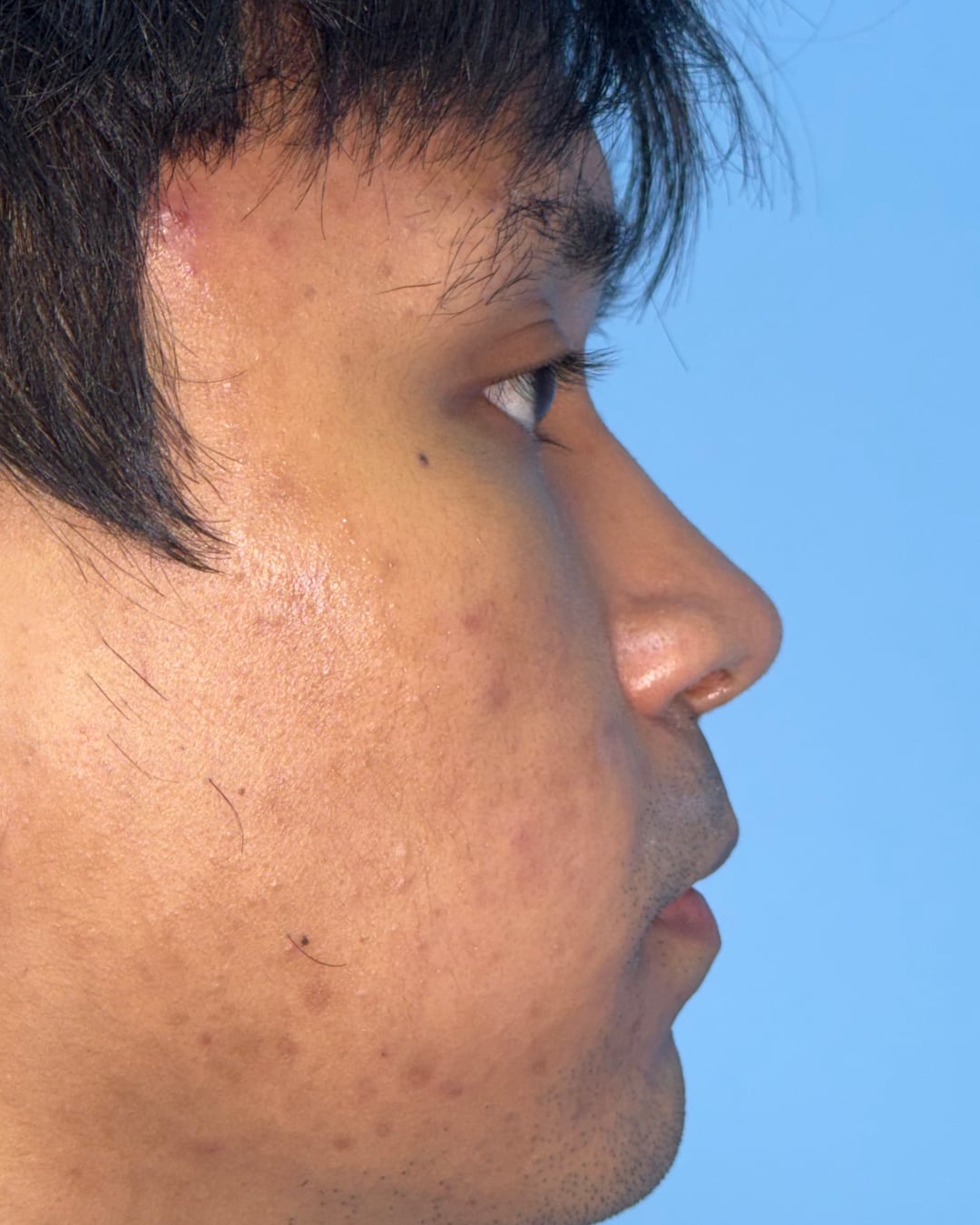
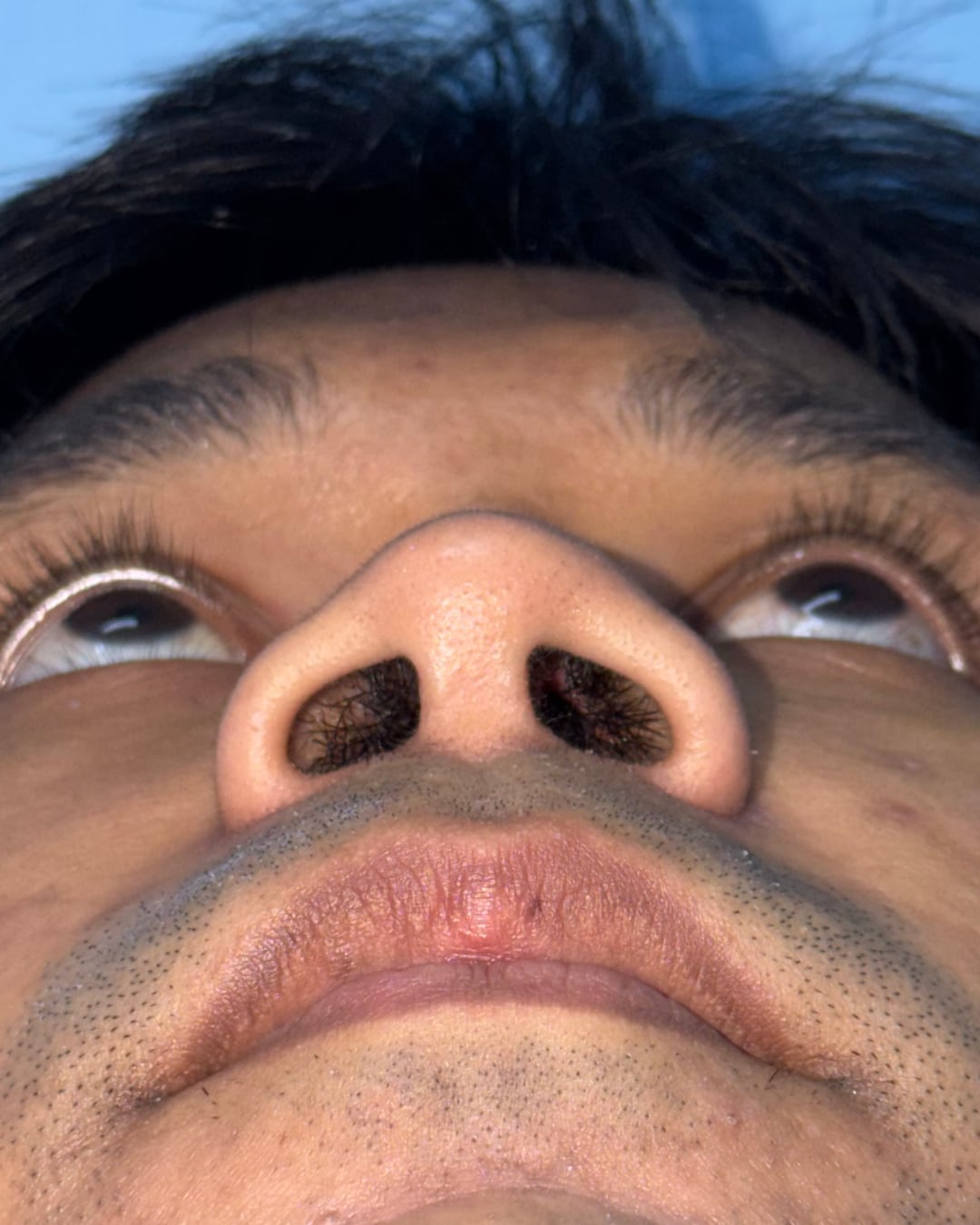
After structural and functional rhinoplasty for severe congenital nasal deviation After

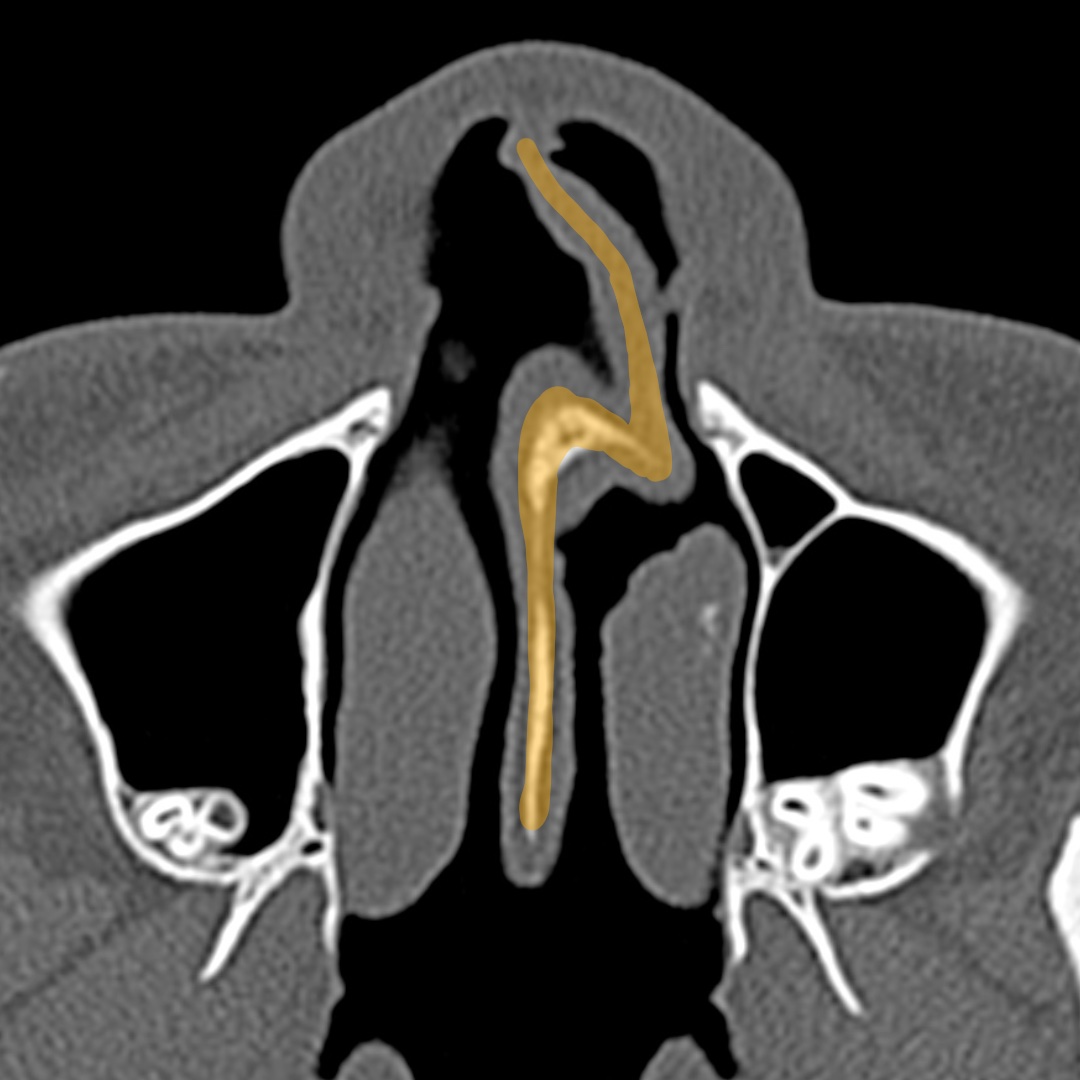
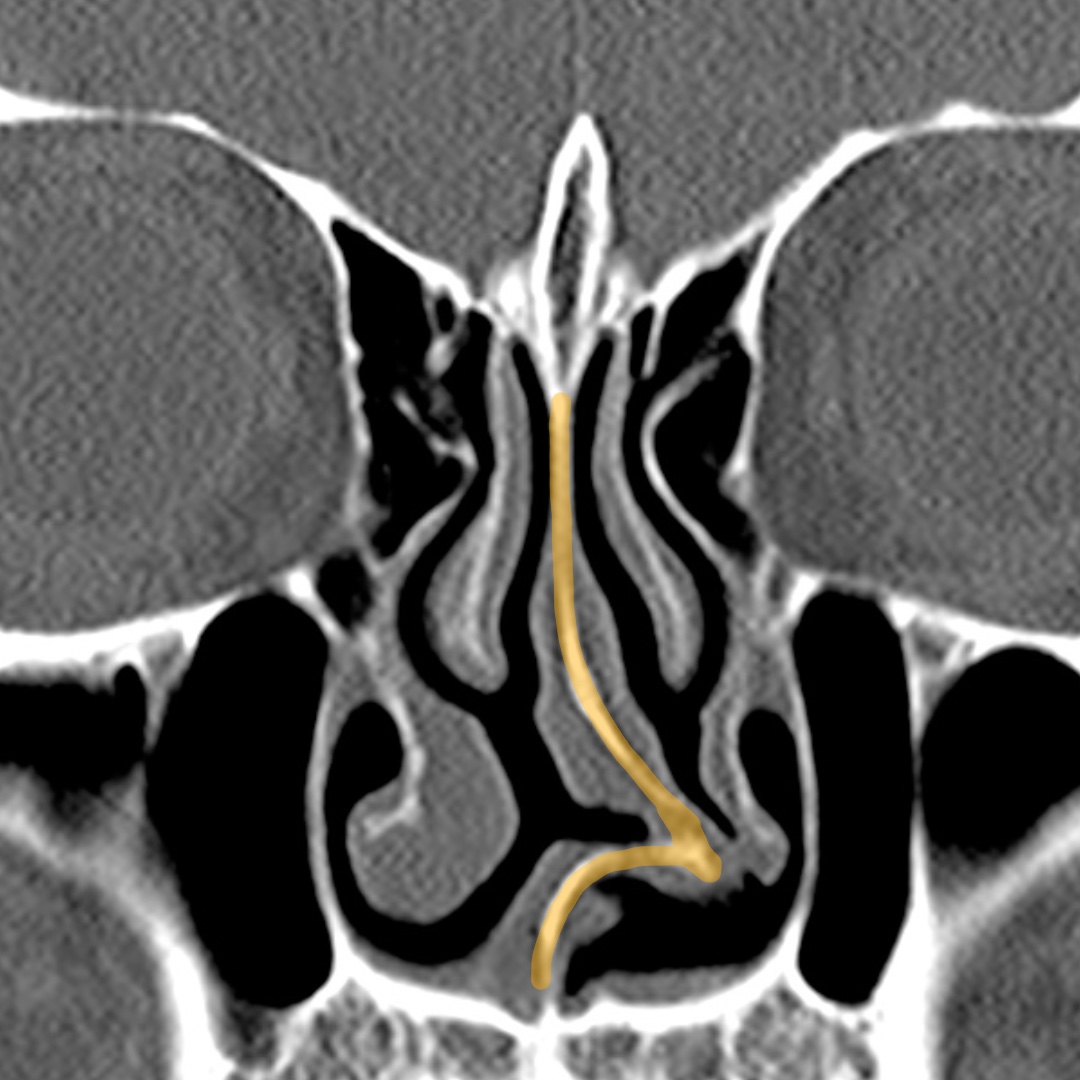
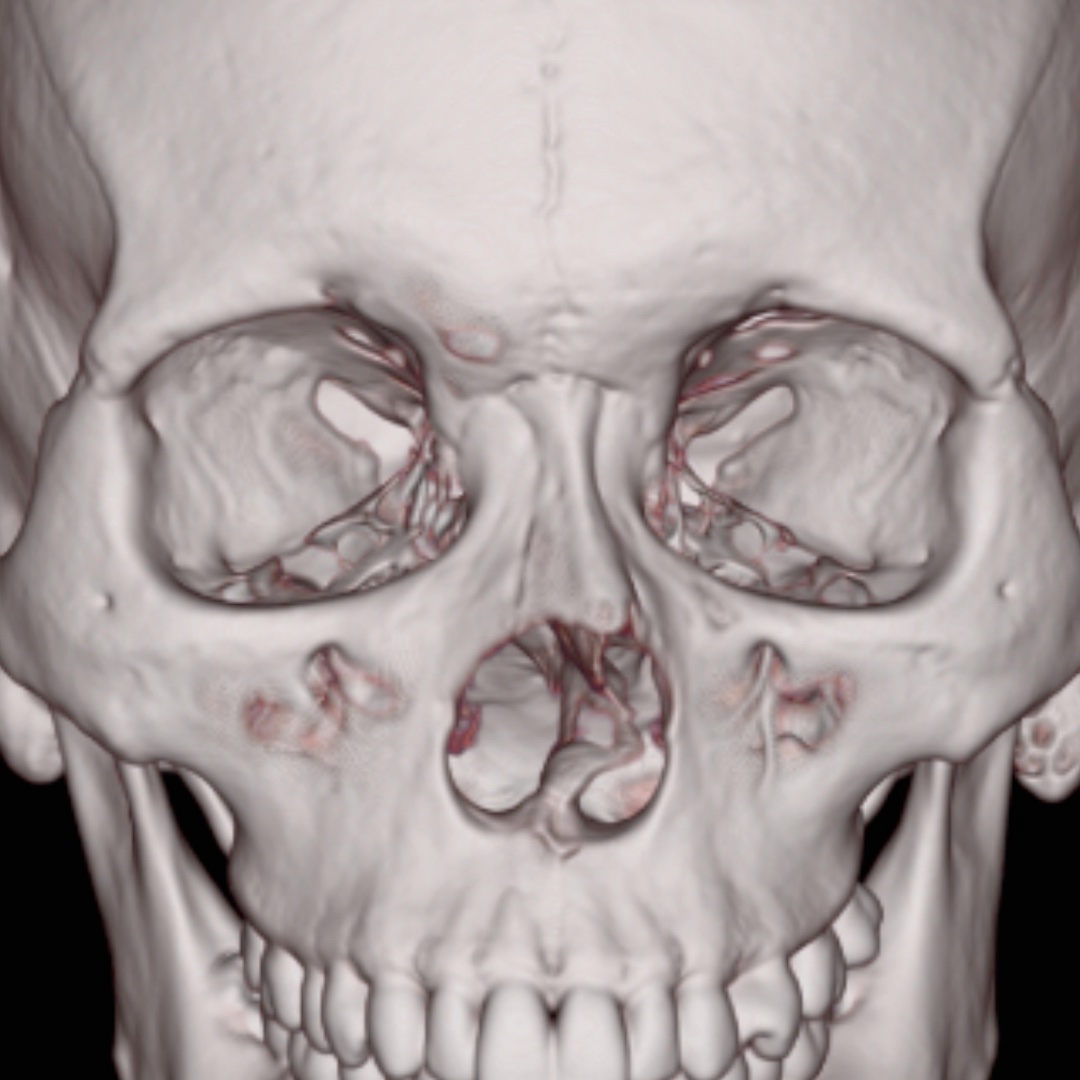
Example of severe congenital nasal deviation

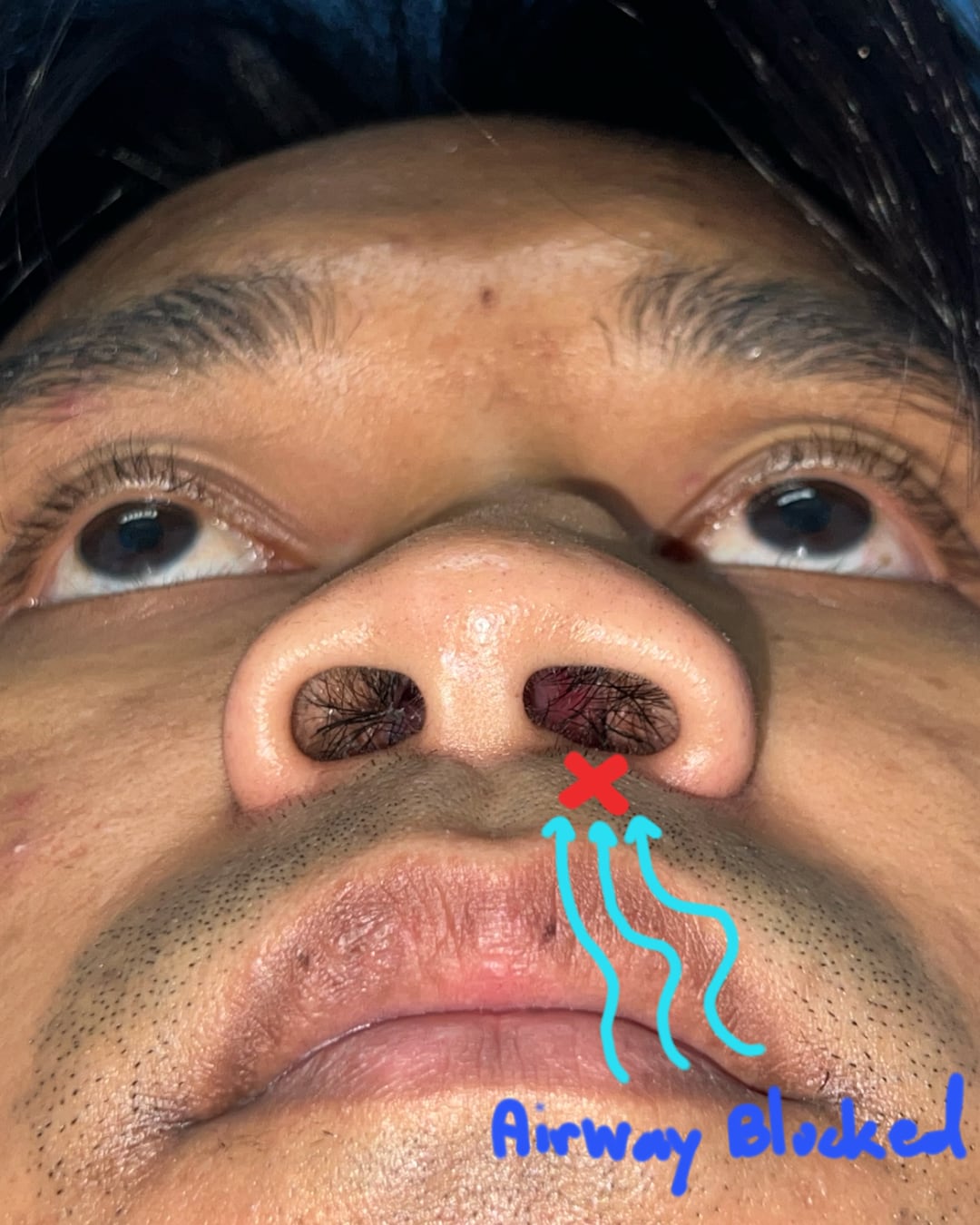
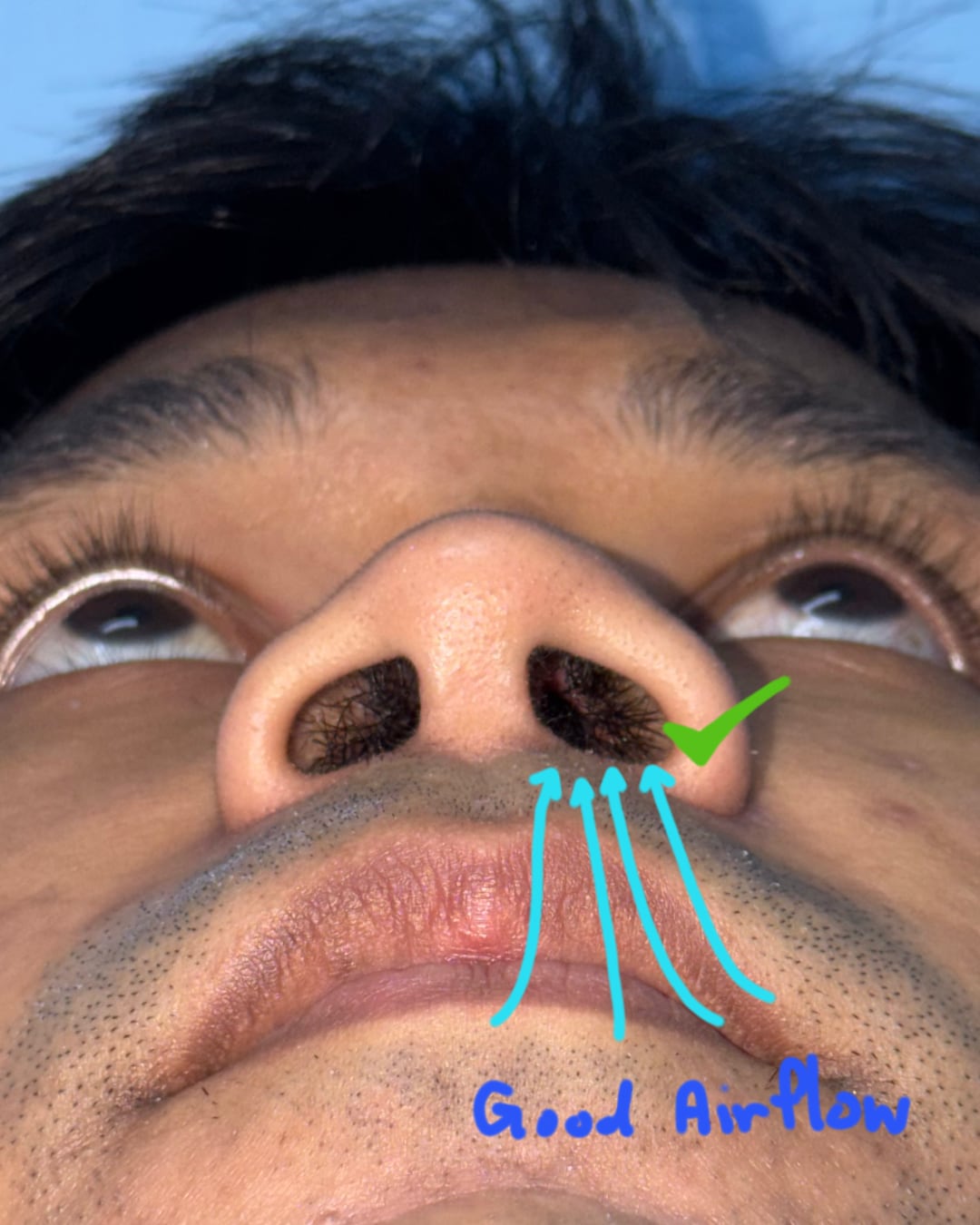
Breathing improvement

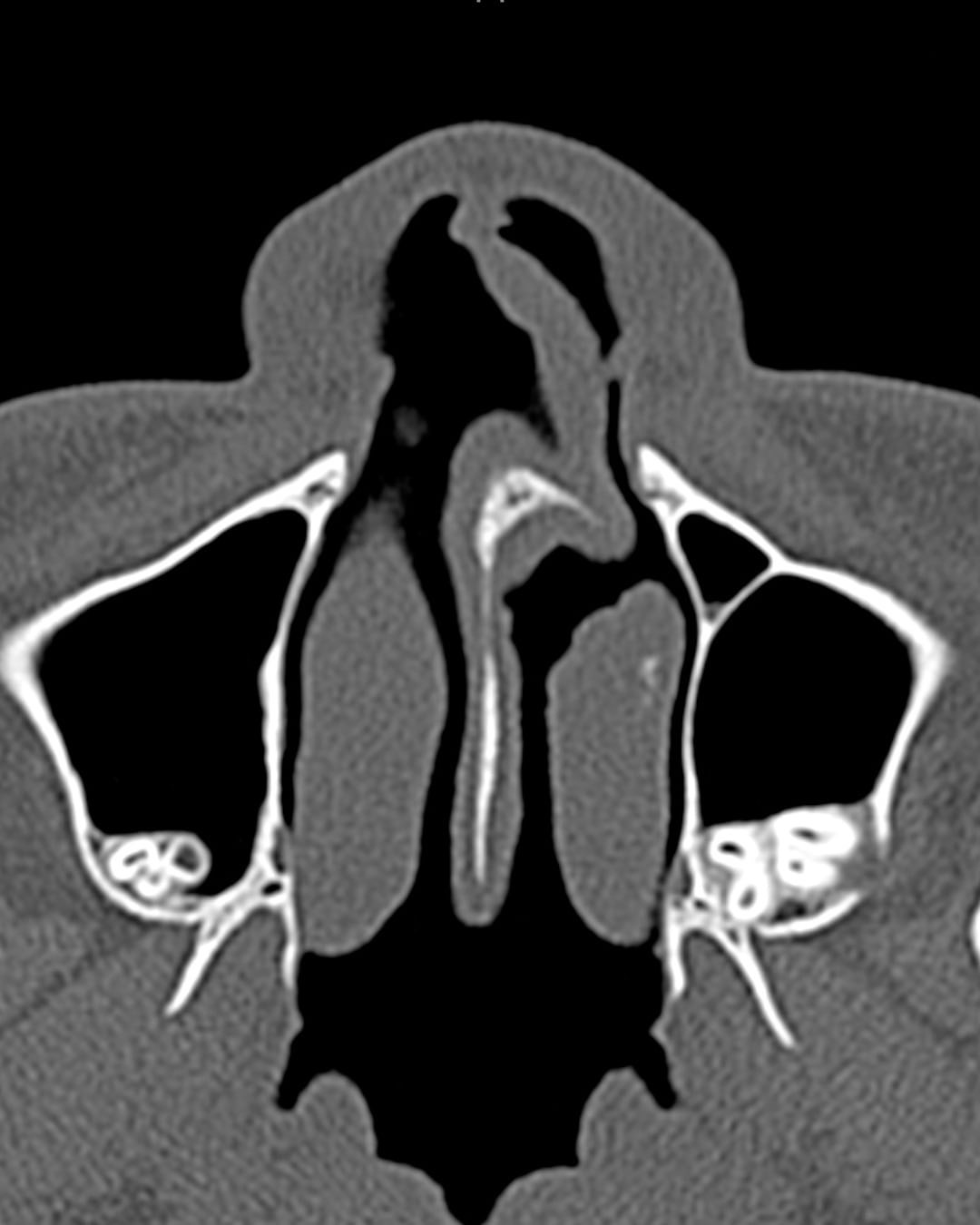
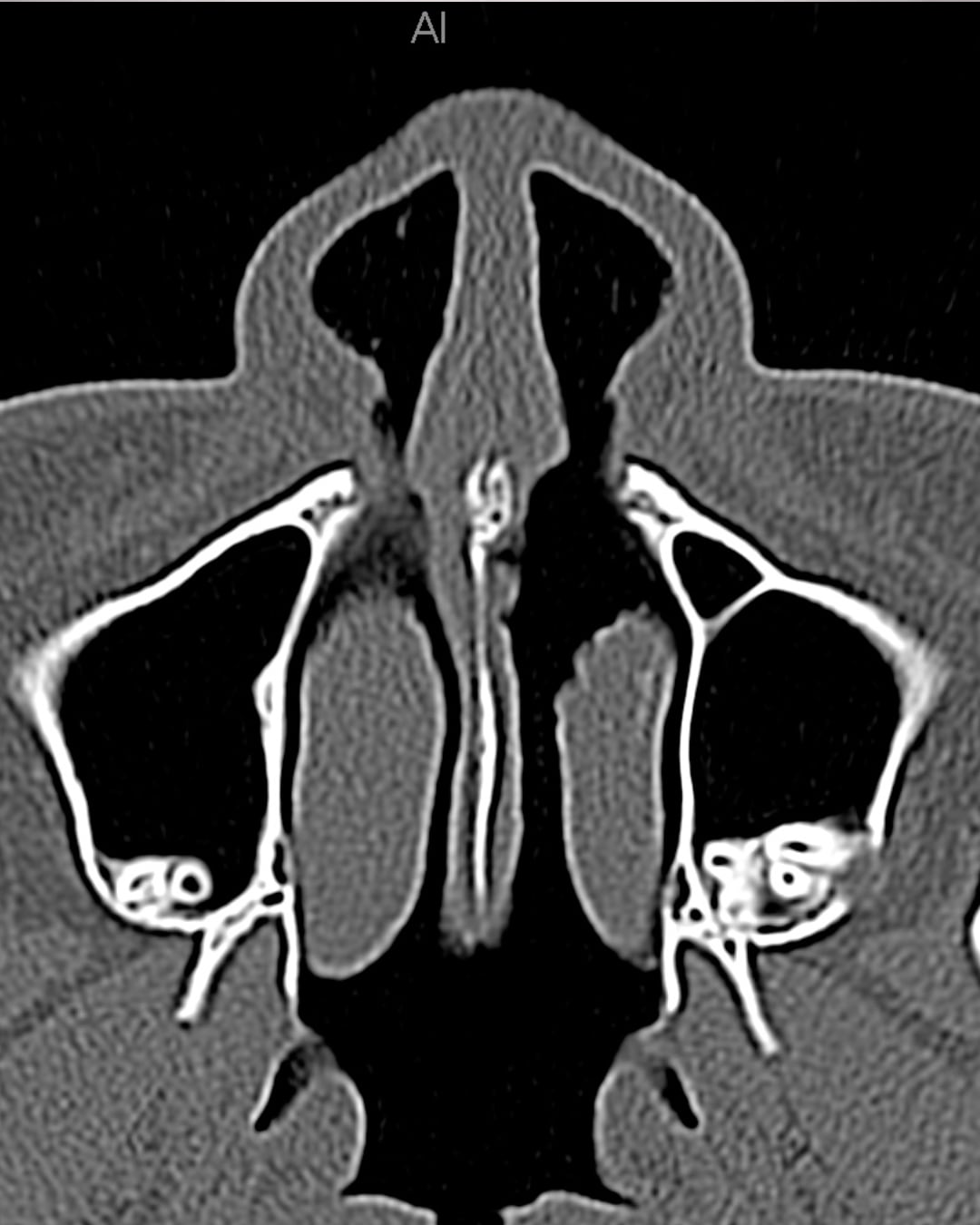
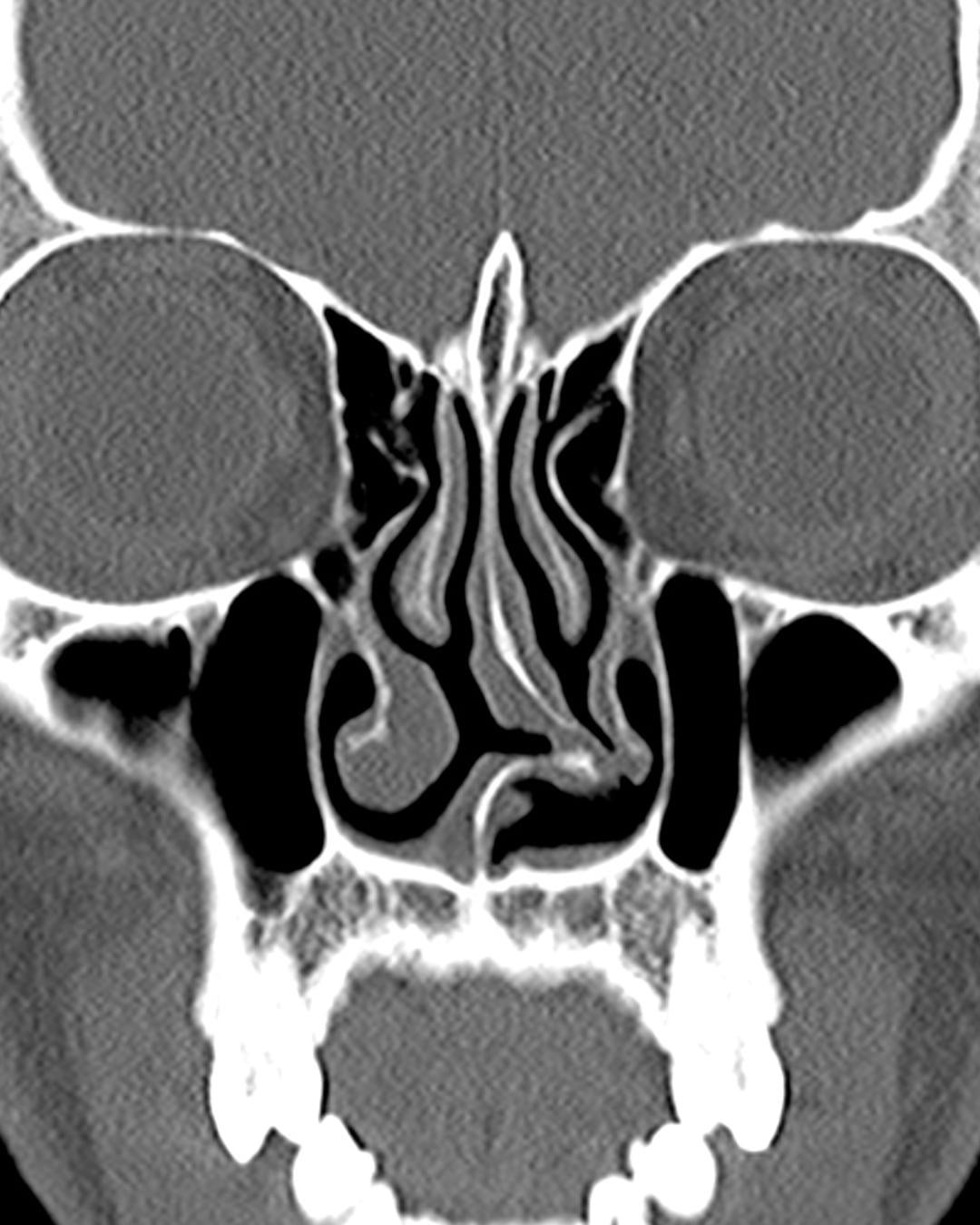
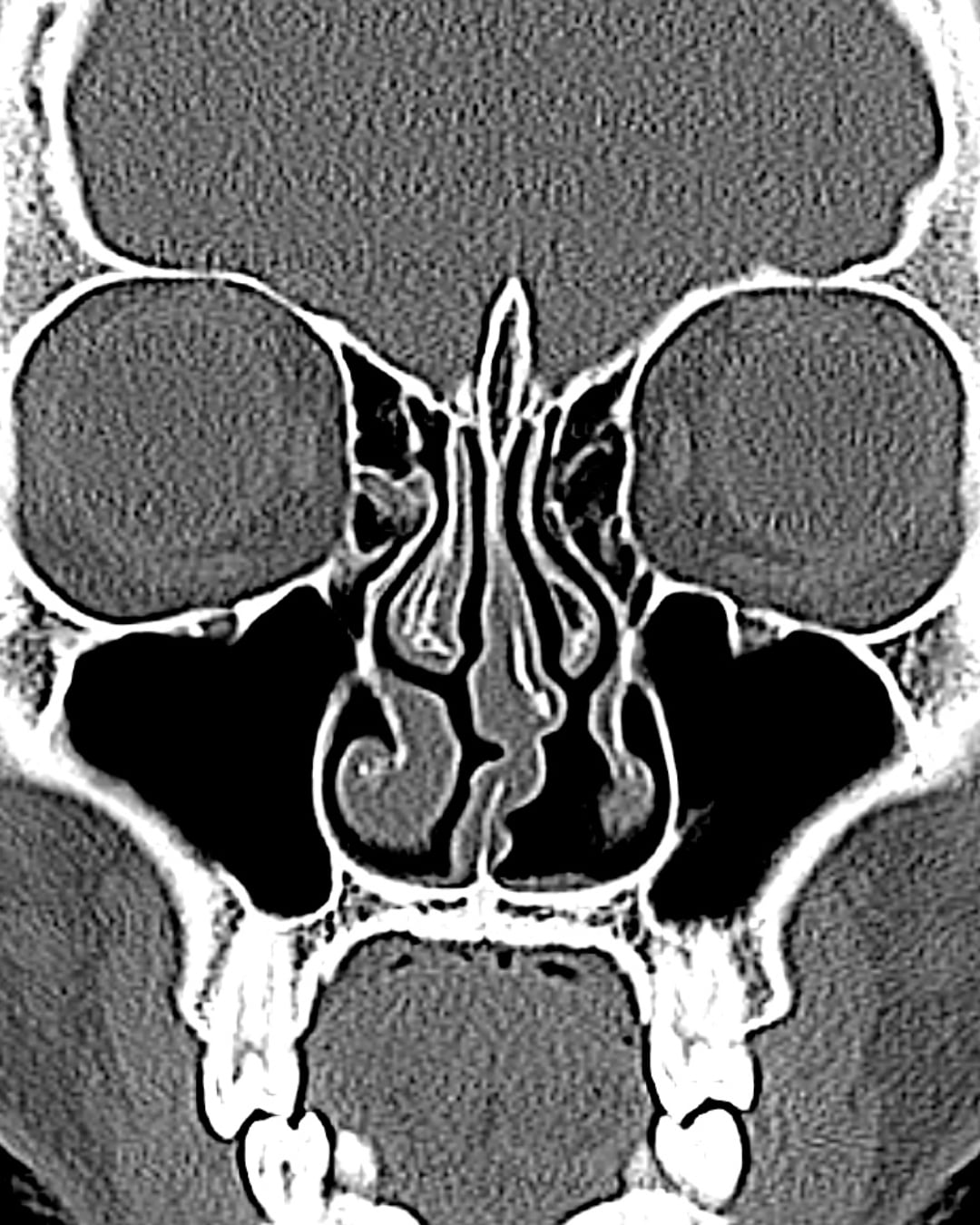
Example of improved nasal airflow after structural correction

ASSESSMENT & PLANNING

The cause matters before the correction.

Assessment considers the external shape of the nose, septal and structural support, previous surgery or trauma, and relevant breathing symptoms.

Additional examination, testing, or imaging may be considered when clinically indicated. The aim is to understand which findings are structural, which may affect function, and which limitations should be discussed before surgery.

PRIMARY OR REVISION?

Structural concerns can occur in either pathway.

The distinction between primary and revision rhinoplasty is based on whether nasal surgery has been performed before. Structural and functional concerns may be present in either group.

RISKS & LIMITATIONS

Structural correction has limits.

Not every deviation, asymmetry, or breathing symptom can be fully corrected. What may be safely improved depends on the anatomy, tissue quality, scar tissue or previous trauma, structural support, and the underlying cause of functional symptoms.

Rhinoplasty also carries general surgical and anaesthetic risks, and further treatment or revision may be required in some cases. Improvement in nasal airflow cannot be guaranteed.

RELATED PATIENT RESULTS

Structural concerns in clinical context.

Structural and functional findings may be present in either primary or revision rhinoplasty. Results should be interpreted together with the starting anatomy, procedure performed, and follow-up period.

Individual results vary and cannot predict the outcome of another patient.

Primary Rhinoplasty1-year follow-upClinical + functional views

Primary Rhinoplasty + Costal Cartilage Grafting

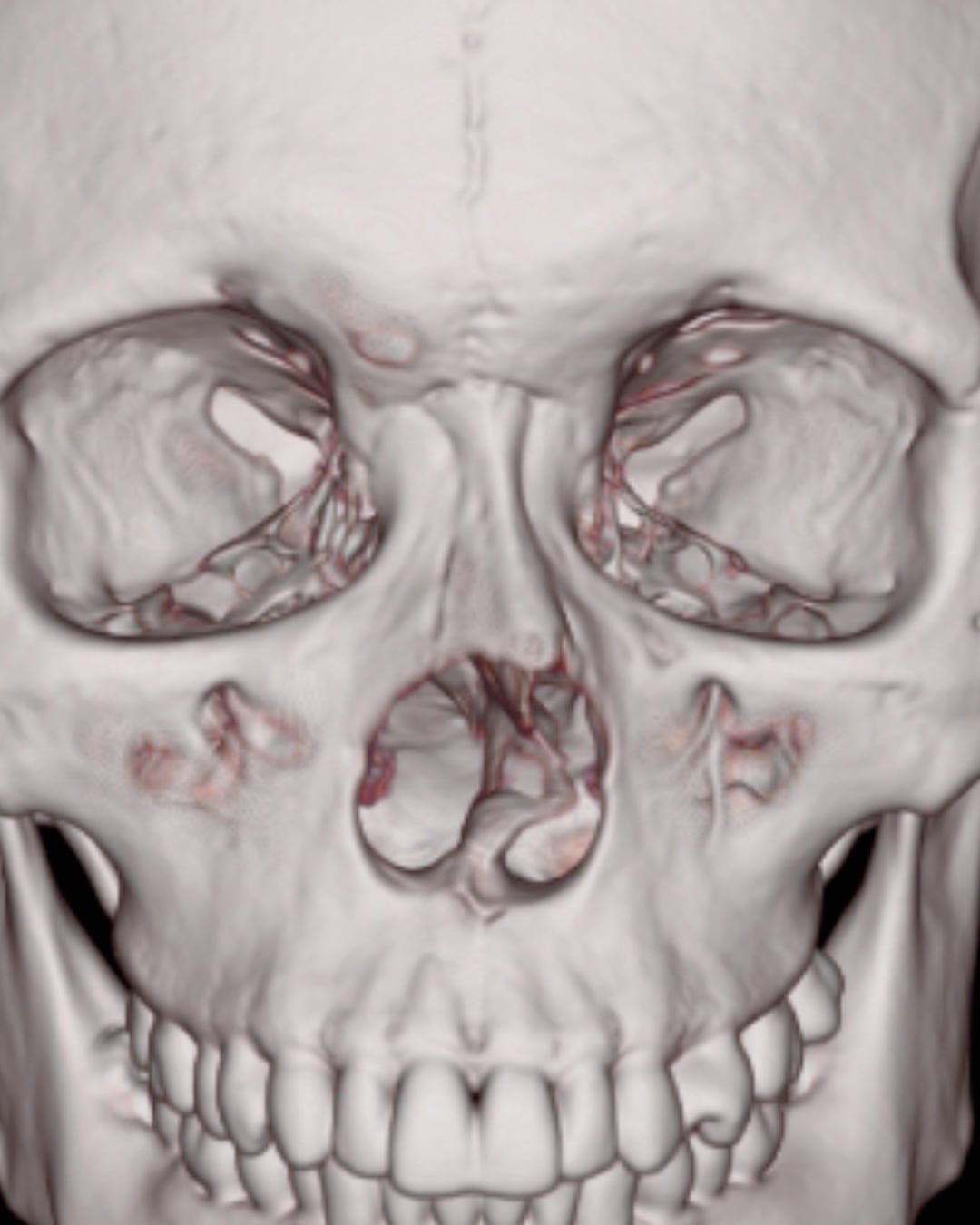
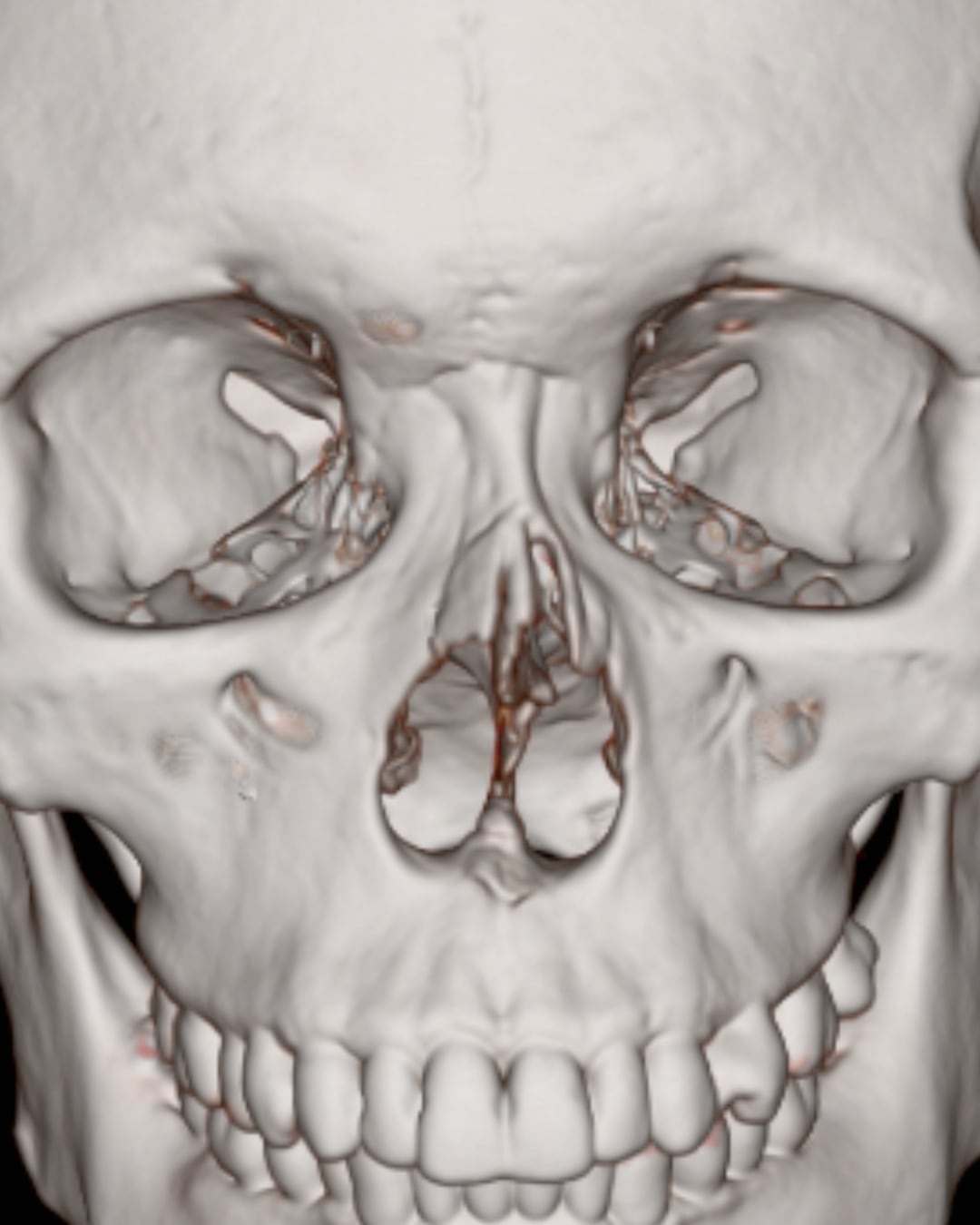
Severe congenital nasal deviation treated with an open rhinoplasty approach and costal cartilage grafting. One-year follow-up includes matched clinical photographs, functional airflow views, and CT imaging.

CONSULTATION

Discuss structural or functional concerns with Dr. Joe

Consultation is used to examine the current nasal anatomy, review any previous surgery or trauma, and determine whether structural findings are relevant to your concerns.

Request Consultation