Open Rhinoplasty
Dr. Joe uses an open approach to assess the altered nasal anatomy, scar tissue, previous grafts or implants, and remaining structural support directly.
Understand open rhinoplastyRevision rhinoplasty is nasal surgery performed after a previous rhinoplasty to address persistent or new concerns. It is often more technically complex because previous surgery may alter the anatomy, create scar tissue, and reduce the available soft tissue or cartilage.
WHO THIS MAY HELP
Revision rhinoplasty may be considered for patients with persistent or new concerns after previous nasal surgery.
Suitability depends on the current anatomy, previous procedures, tissue quality, and whether further surgery can safely provide meaningful improvement.
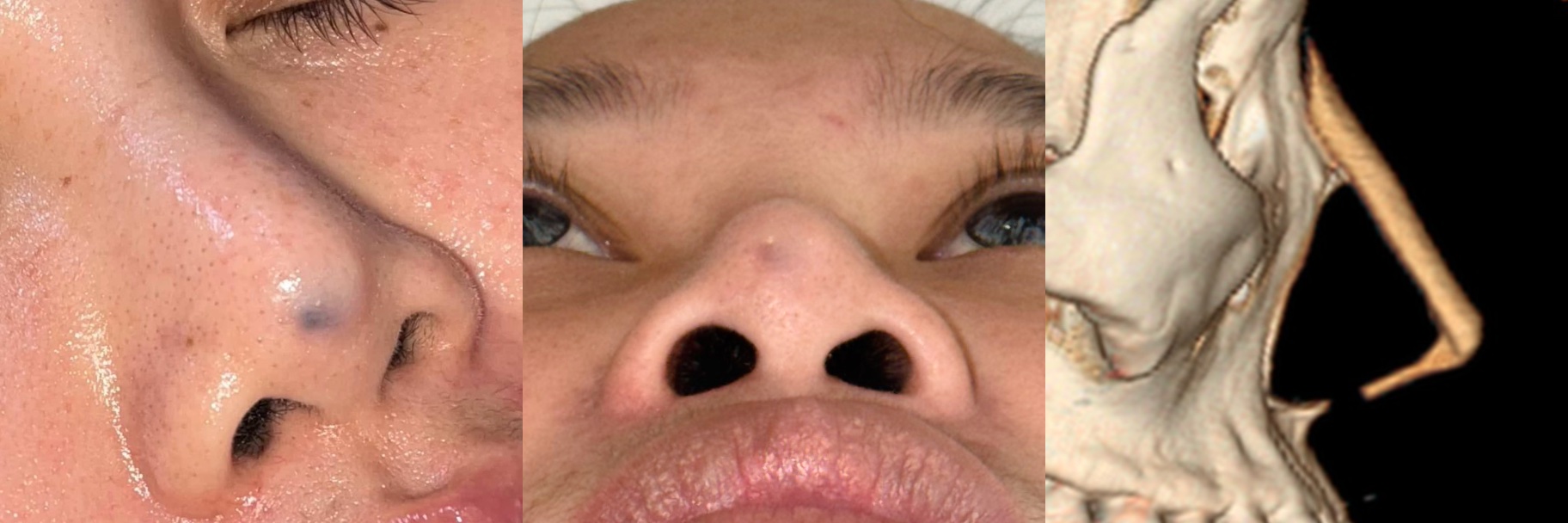
WHAT REVISION MAY ADDRESS
Revision rhinoplasty may address selected problems involving nasal shape, contour, symmetry, structural support, previous implants or grafts, and nasal function.
What can be safely improved depends on the current anatomy, scar tissue, remaining structural support, and soft-tissue quality.
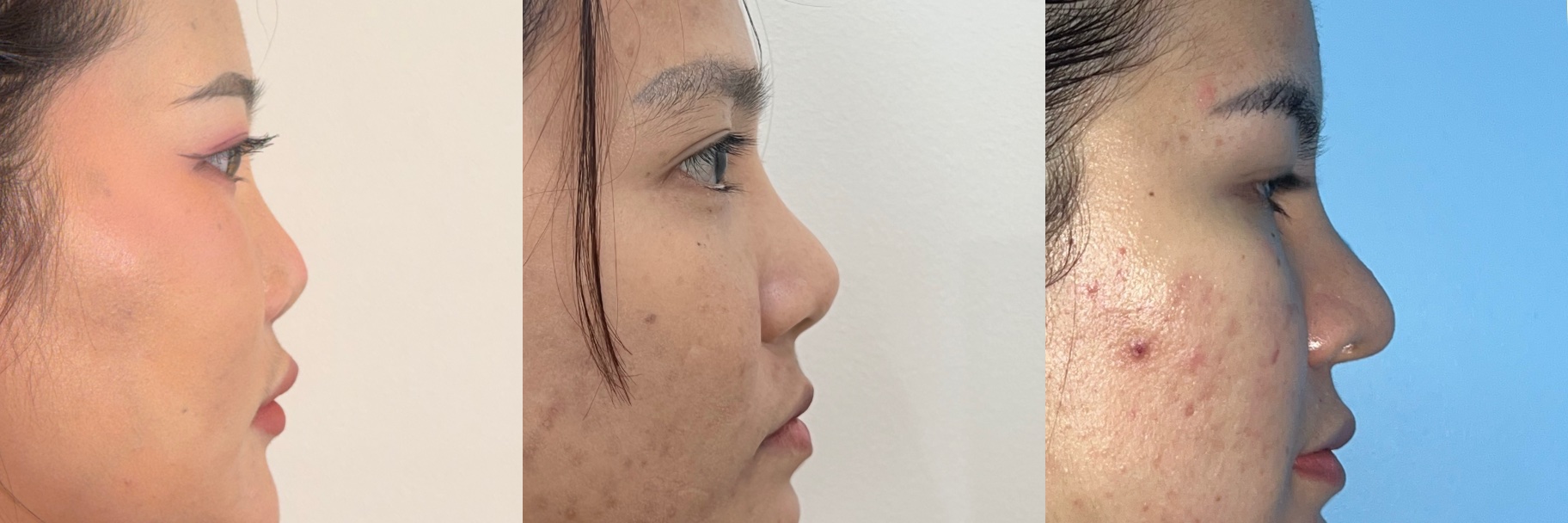
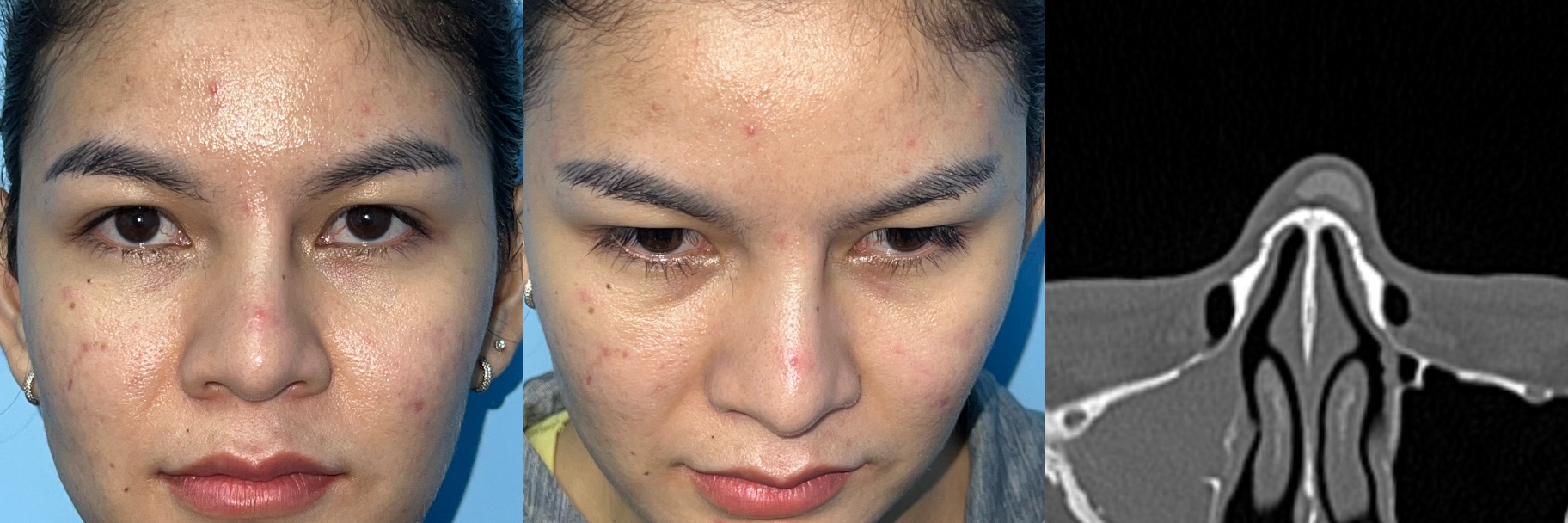
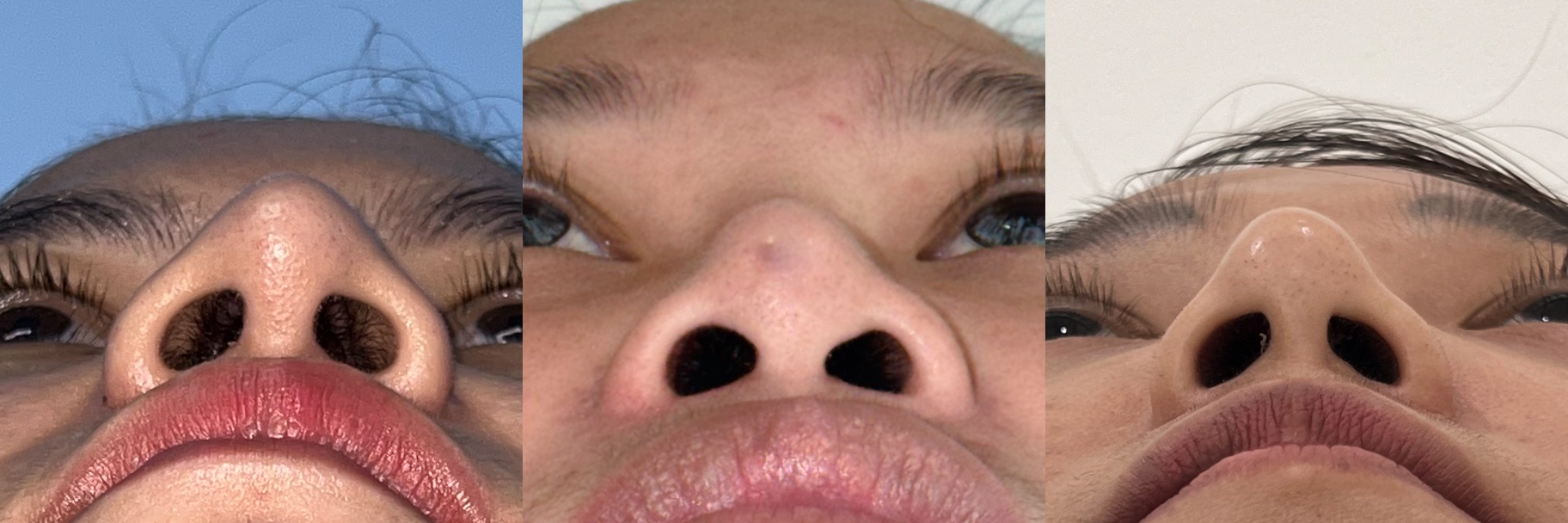 Before
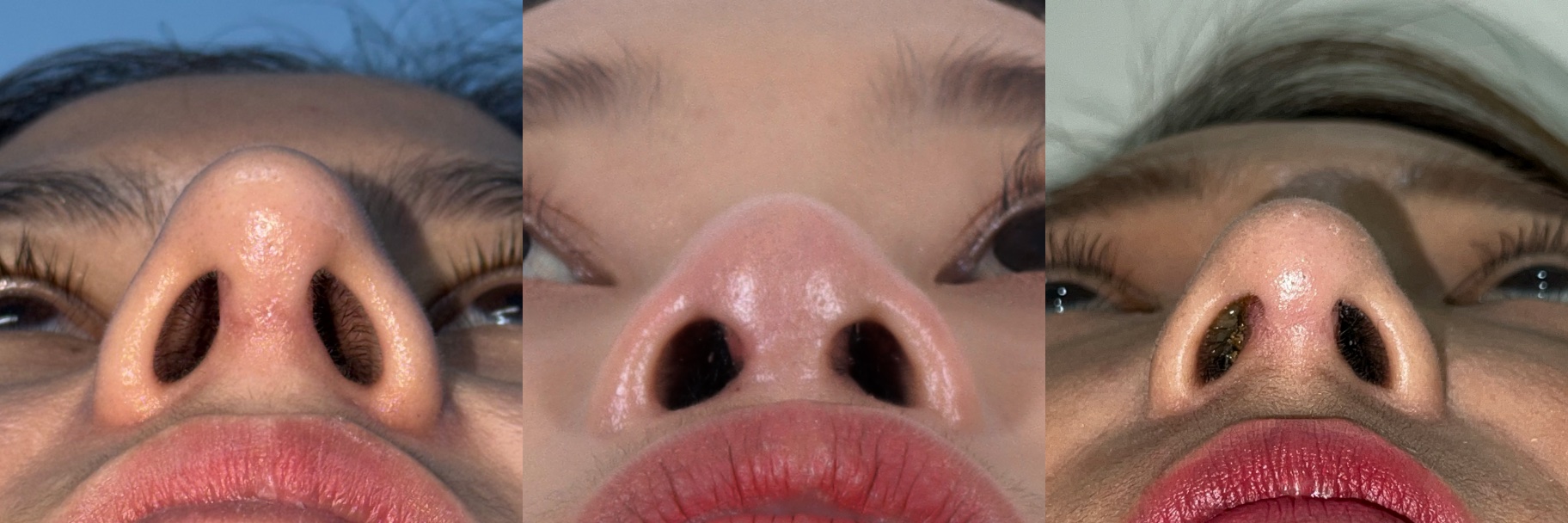 After
Examples of tip deformity after previous rhinoplasty
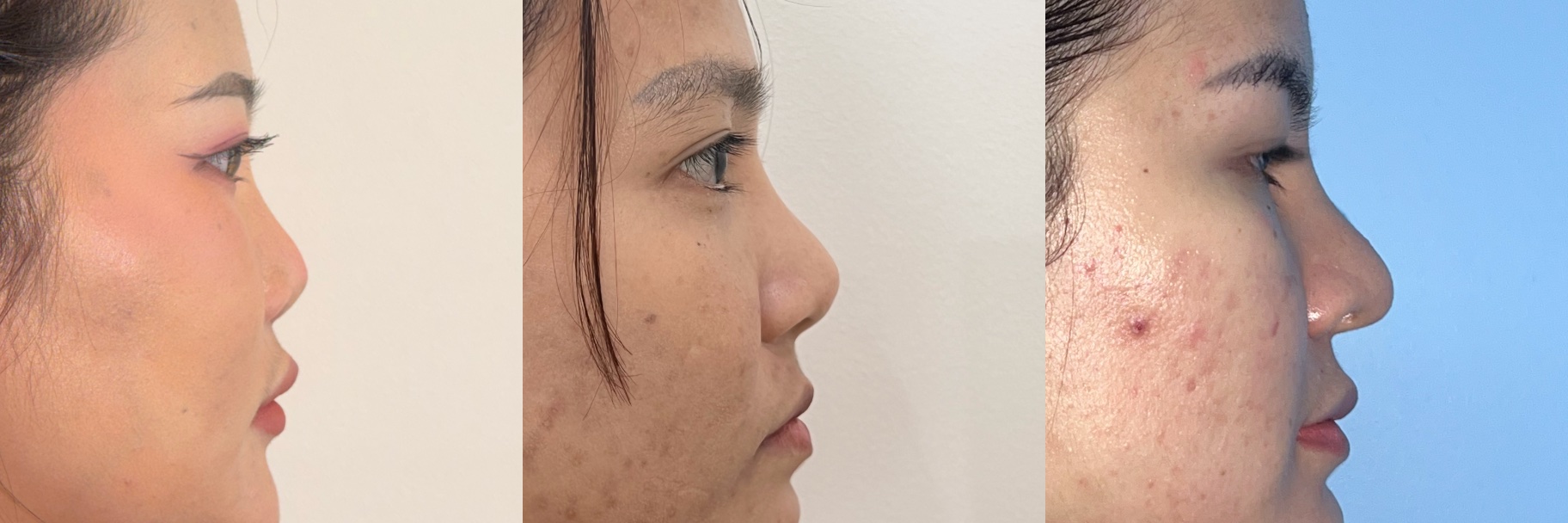 Before
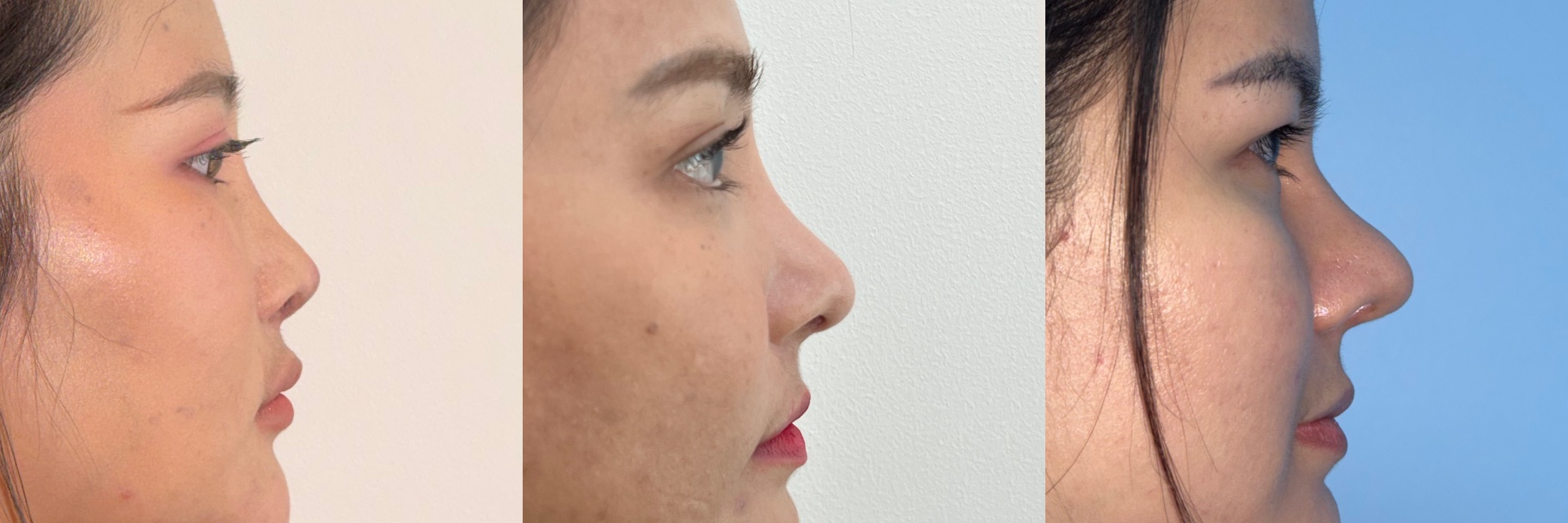 After
Examples of tip malposition and high radix after previous rhinoplasty
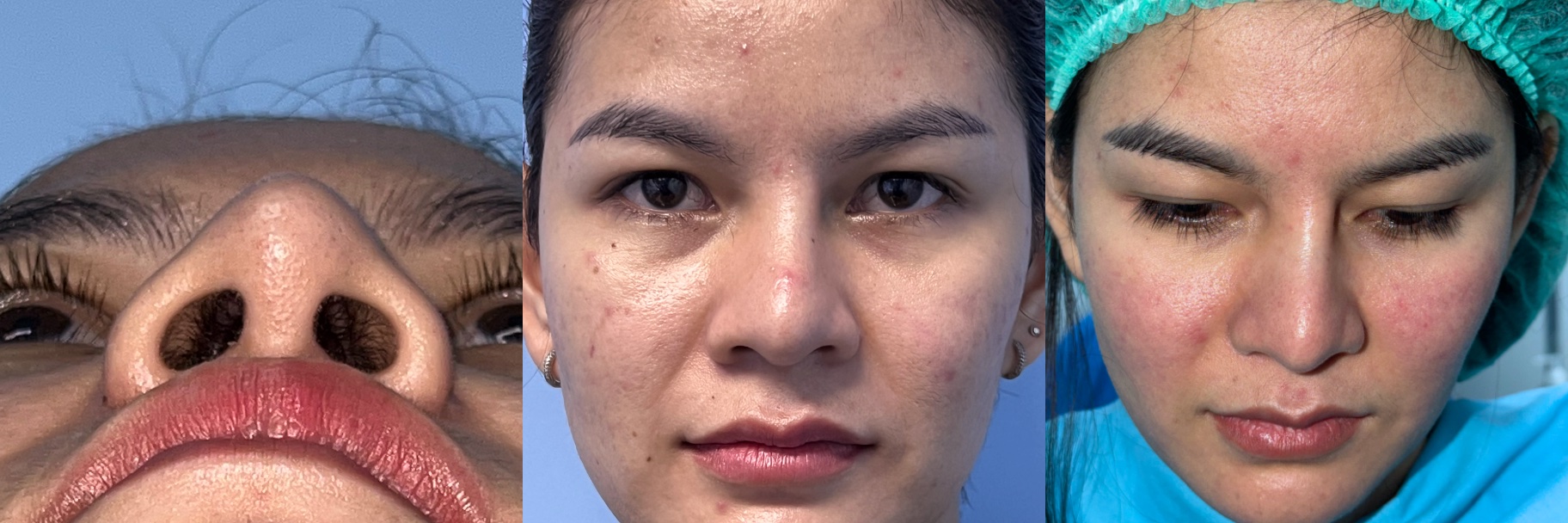 Before
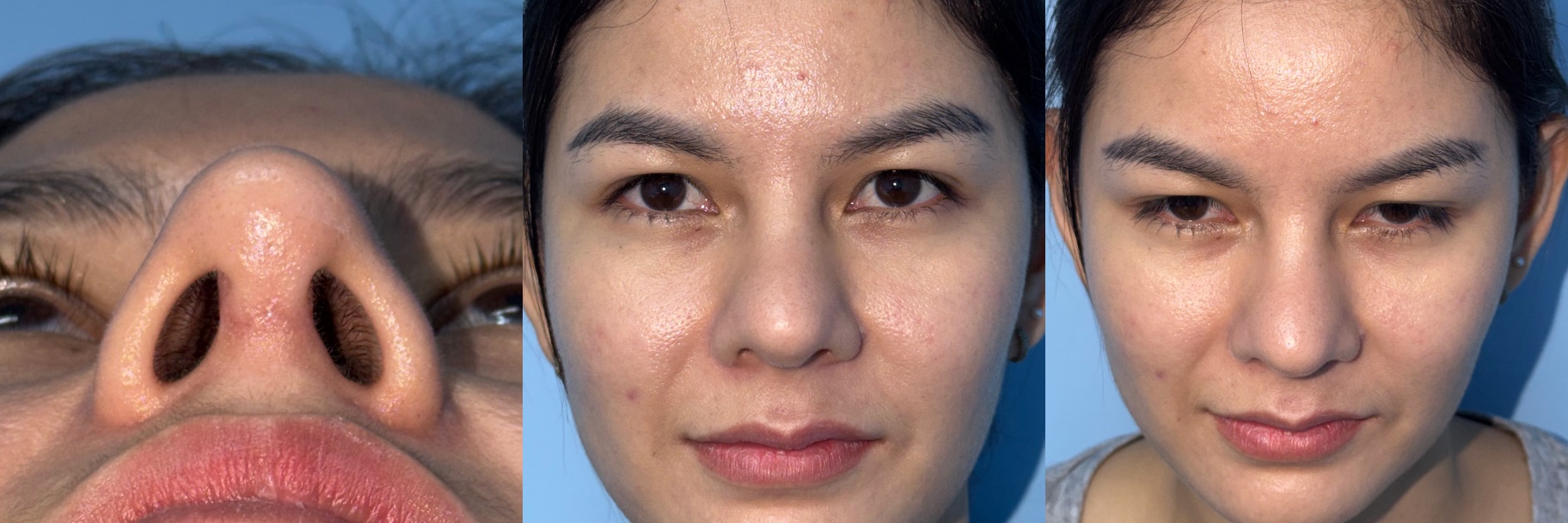 After
Examples of nasal deviation after previous rhinoplasty
REVISION ASSESSMENT & PLANNING
Please bring as much information as possible about your previous rhinoplasty, including the timing of surgery, operative records, implant or graft details, and any previous complications.
A careful examination is important to assess the current nasal anatomy, scar tissue, soft-tissue quality, structural support, and breathing. These findings help determine what may be safely improved and what limitations should be understood before considering further surgery.
SURGICAL APPROACH & MATERIALS
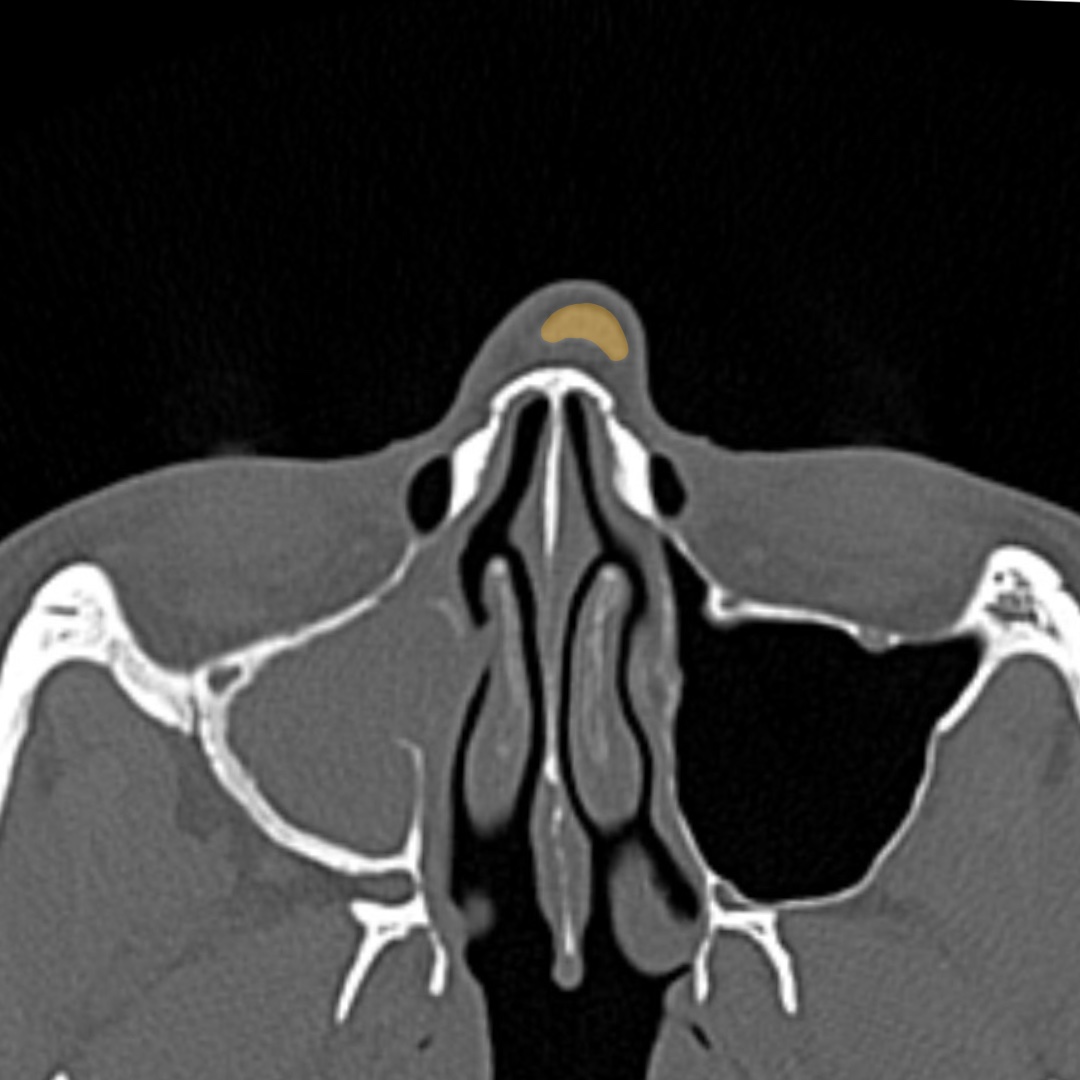
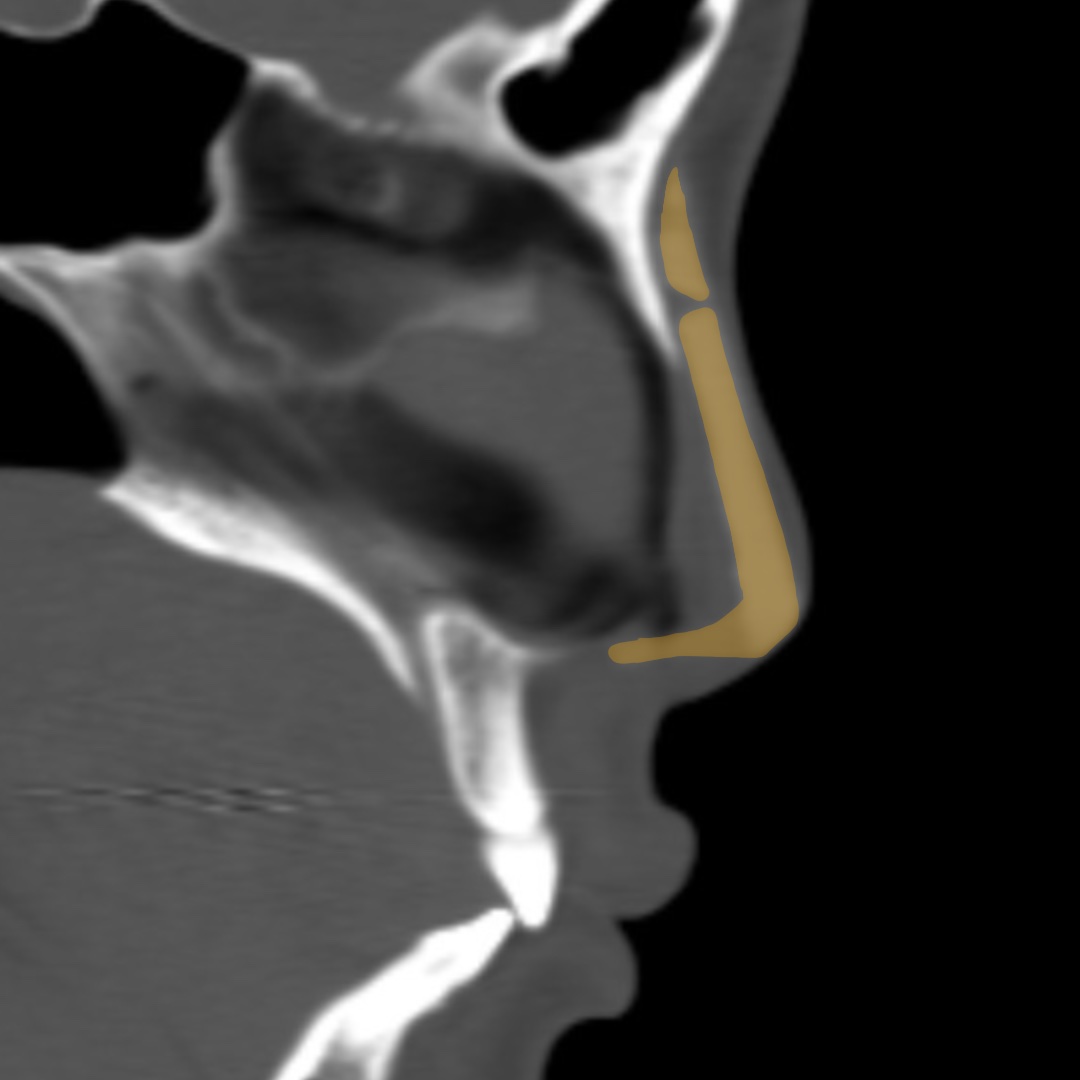
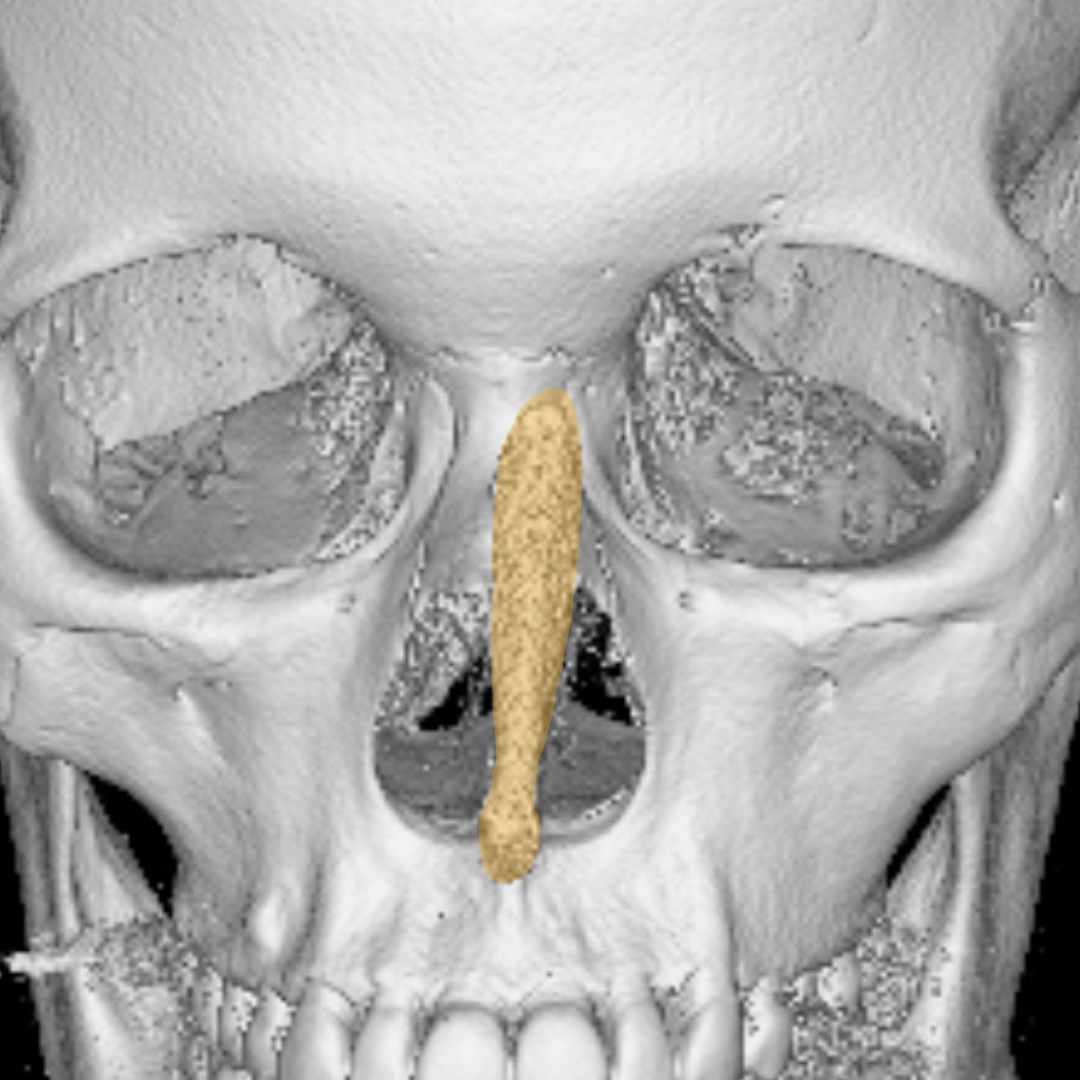
The surgical plan depends on the anatomy remaining after previous surgery, scar tissue, existing implants or grafts, and the amount of structural support required.
Dr. Joe uses an open approach to assess the altered nasal anatomy, scar tissue, previous grafts or implants, and remaining structural support directly.
Understand open rhinoplastyRib cartilage may be considered when previous surgery has reduced the available cartilage or when additional structural support or graft volume is required.
Understand costal cartilage grafting and harvestExisting implants are assessed as part of revision planning. Depending on the findings, an implant may be retained, adjusted, removed, replaced, or combined with the patient’s own cartilage.
The technique and materials are selected after assessing the previous surgery and current anatomy.
TIMING & RECOVERY
Recovery after revision rhinoplasty varies between patients because the problems from previous surgery, scar tissue, and the amount of reconstruction required are different in each case.
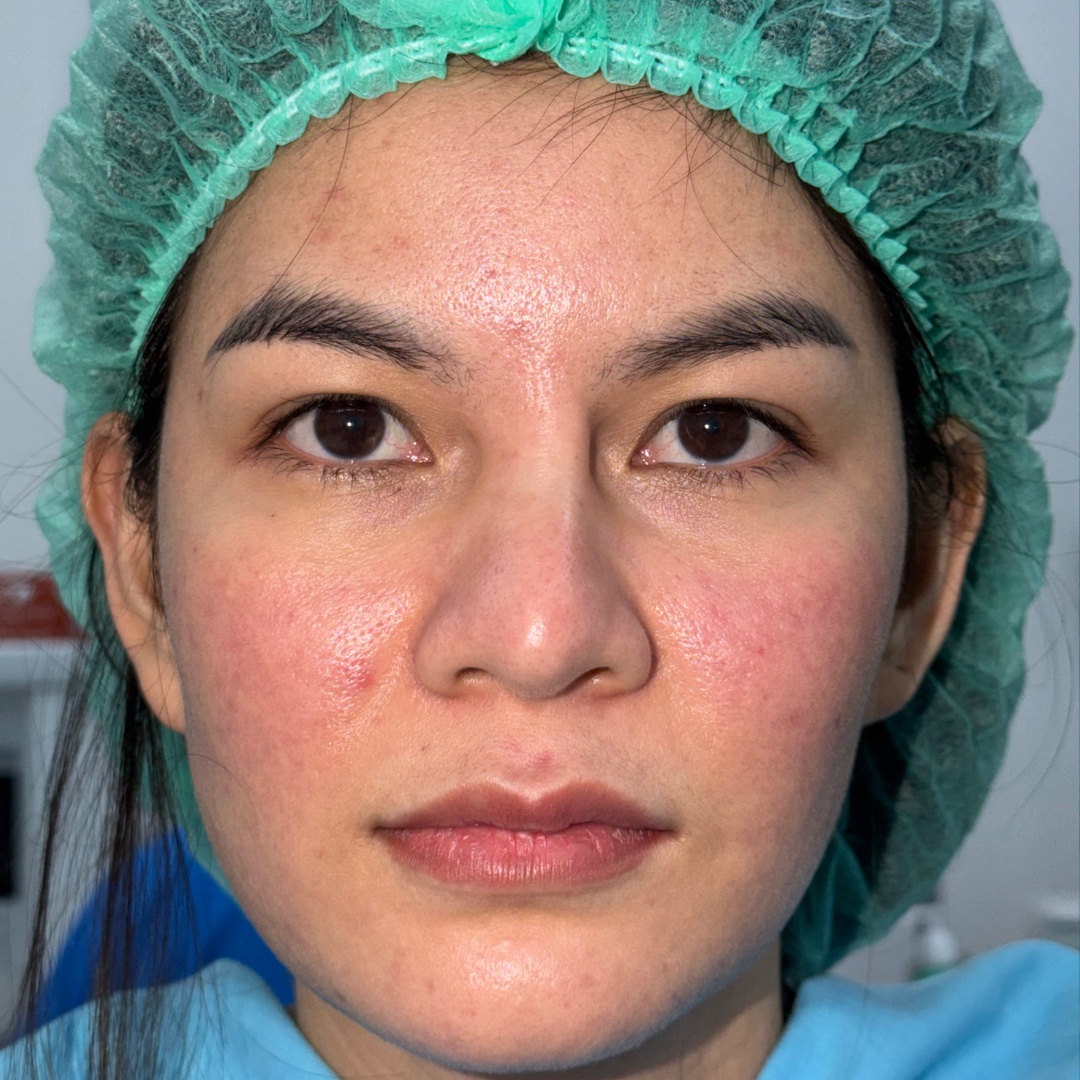
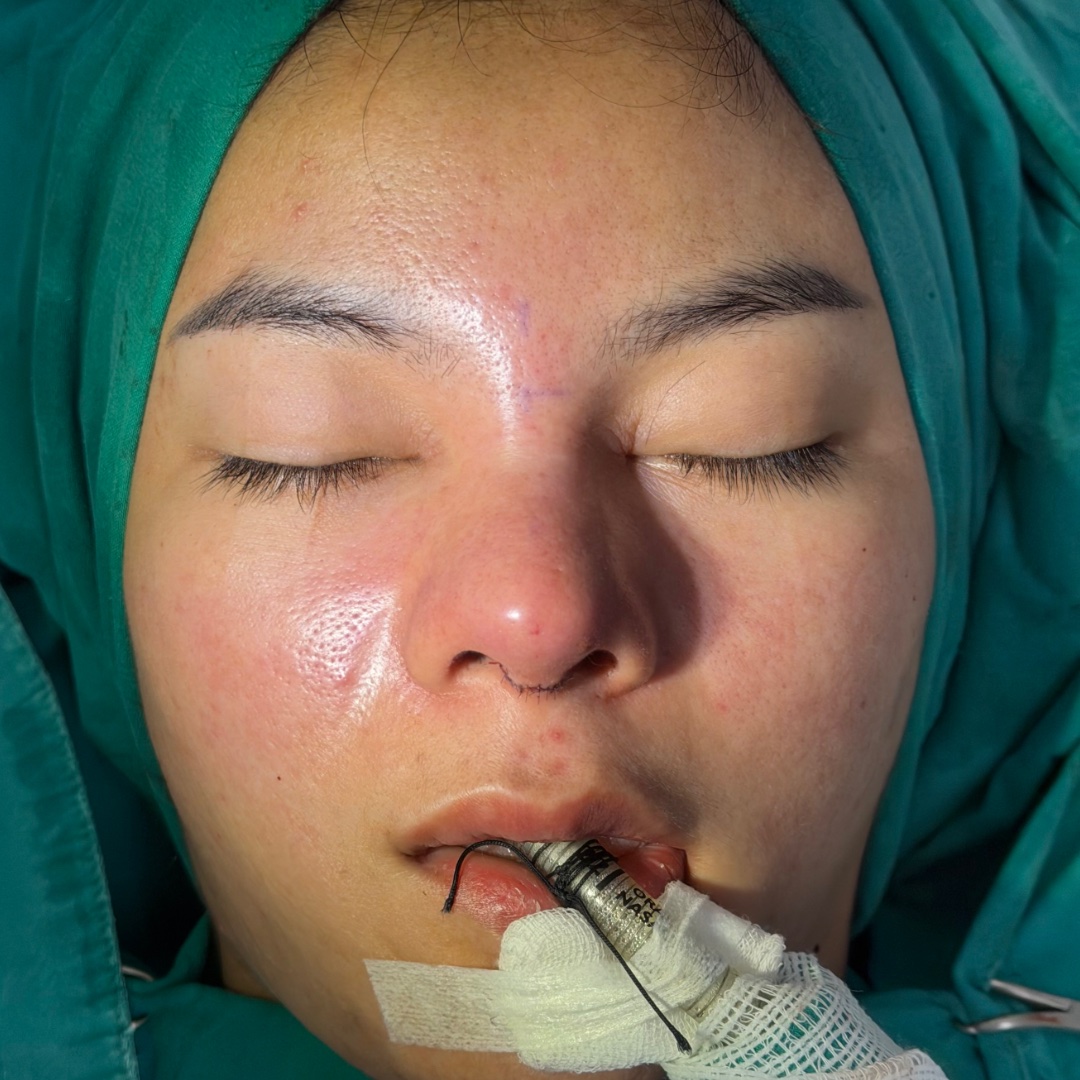
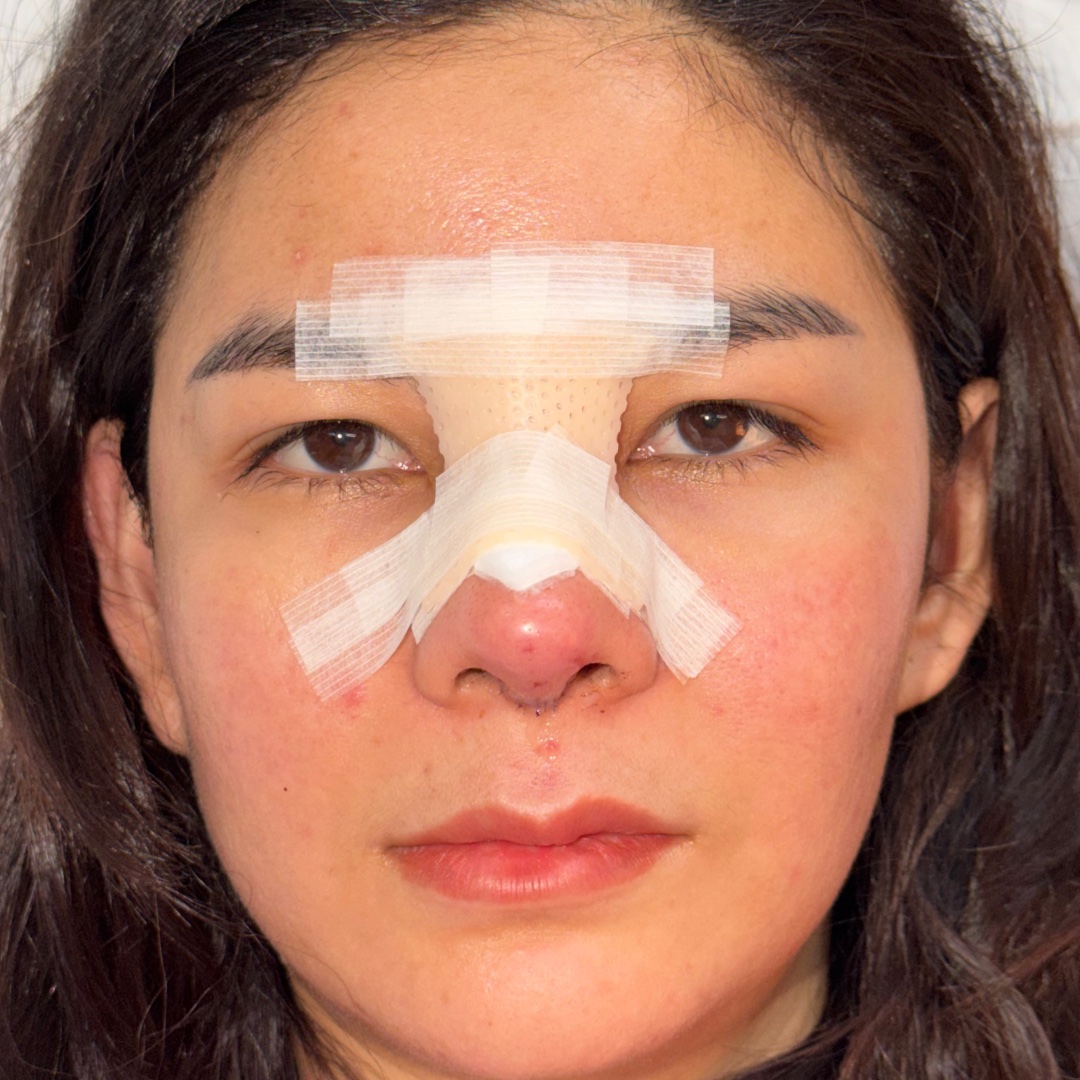
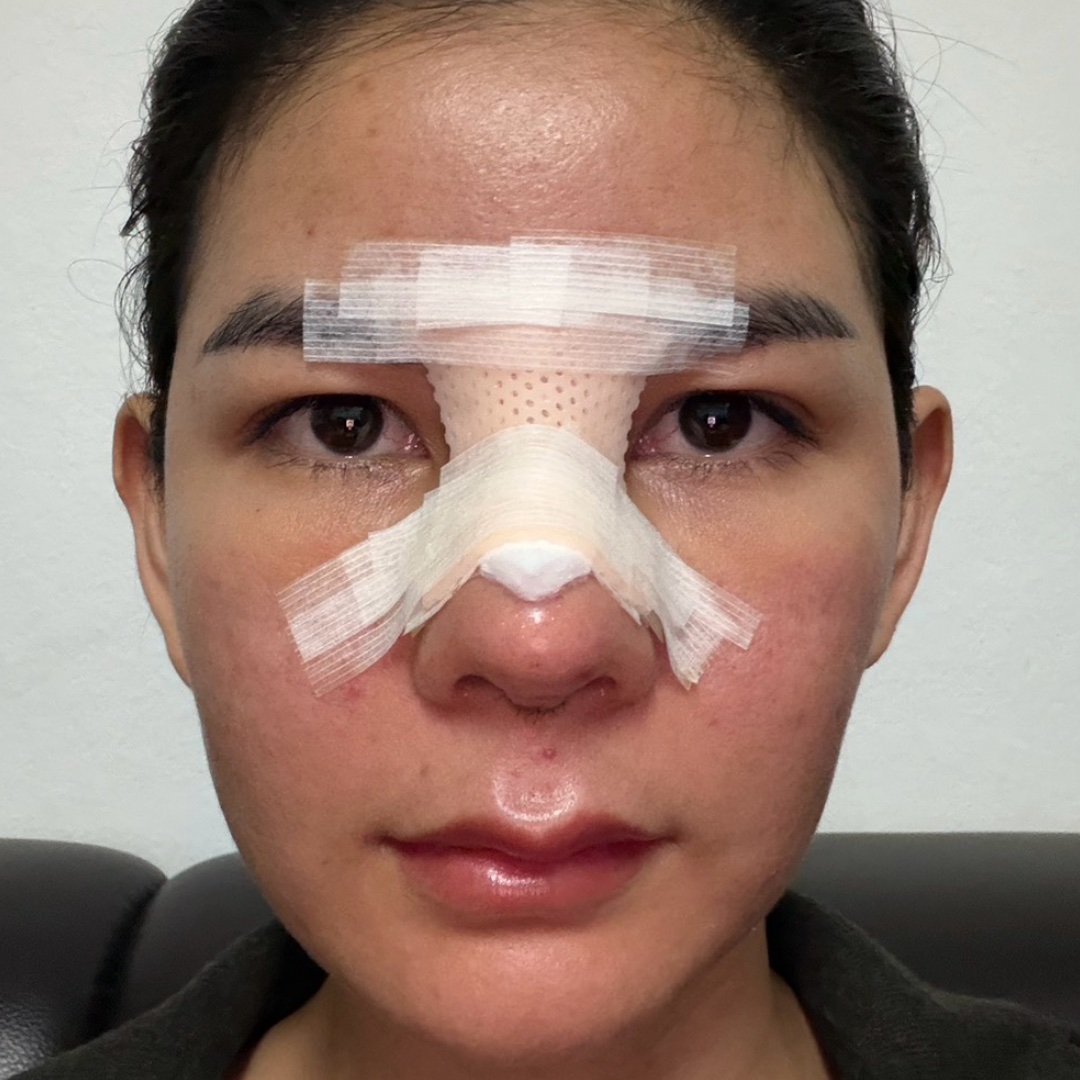

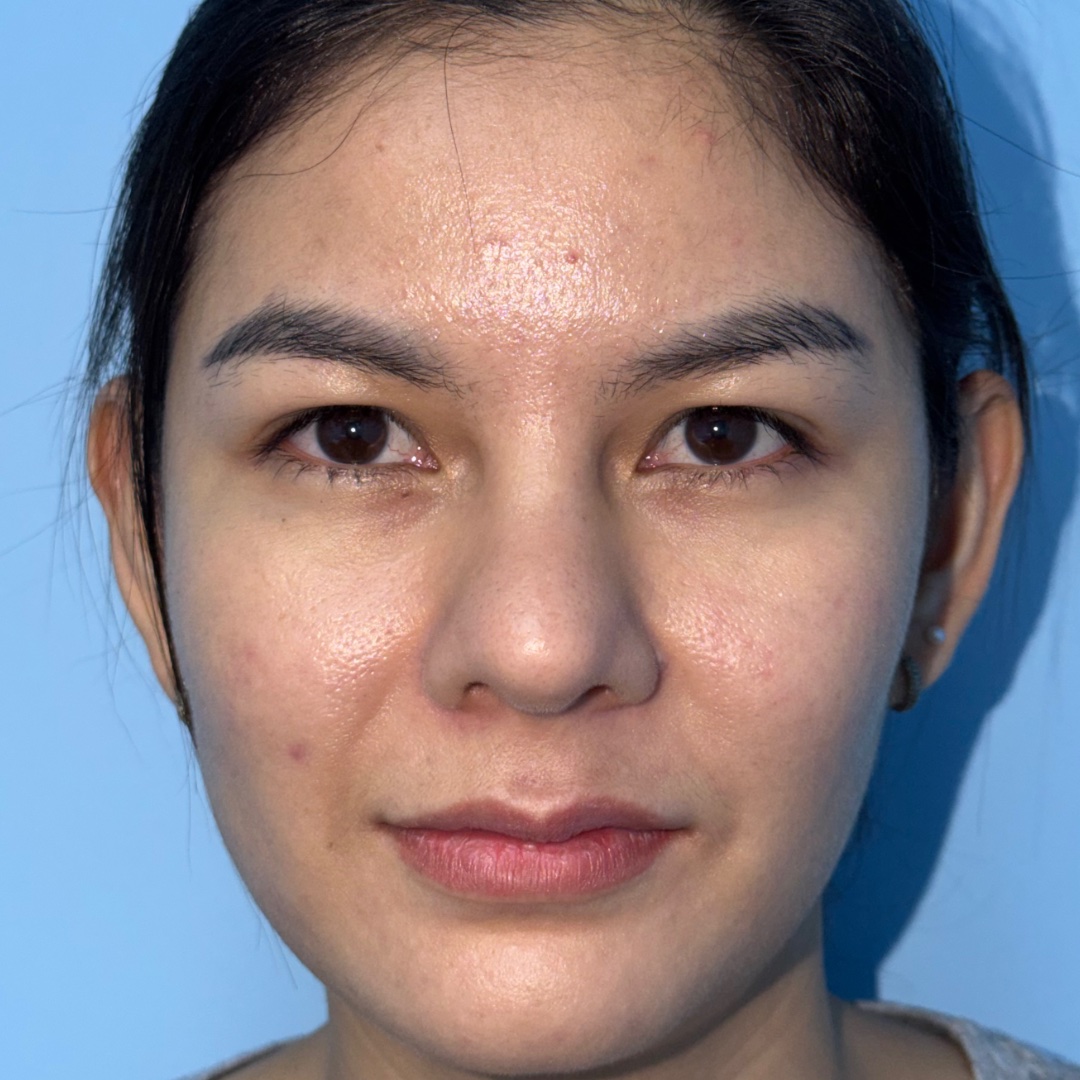
Revision Rhinoplasty + Costal Cartilage. Recovery varies between patients.
RISKS & LIMITATIONS
Previous surgery may leave scar tissue, altered anatomy, reduced cartilage, or compromised soft tissue. These factors can make revision rhinoplasty more complex and may limit what can be safely or predictably achieved.
In particularly complex cases, correction may need to be staged over more than one operation rather than attempting to address every problem in a single surgery. Further revision may also be required in some patients.
RELATED PATIENT RESULTS
Revision rhinoplasty results should be interpreted together with the previous surgery, current anatomy, procedure performed, and follow-up period.
Individual results vary and cannot predict the outcome of another patient.
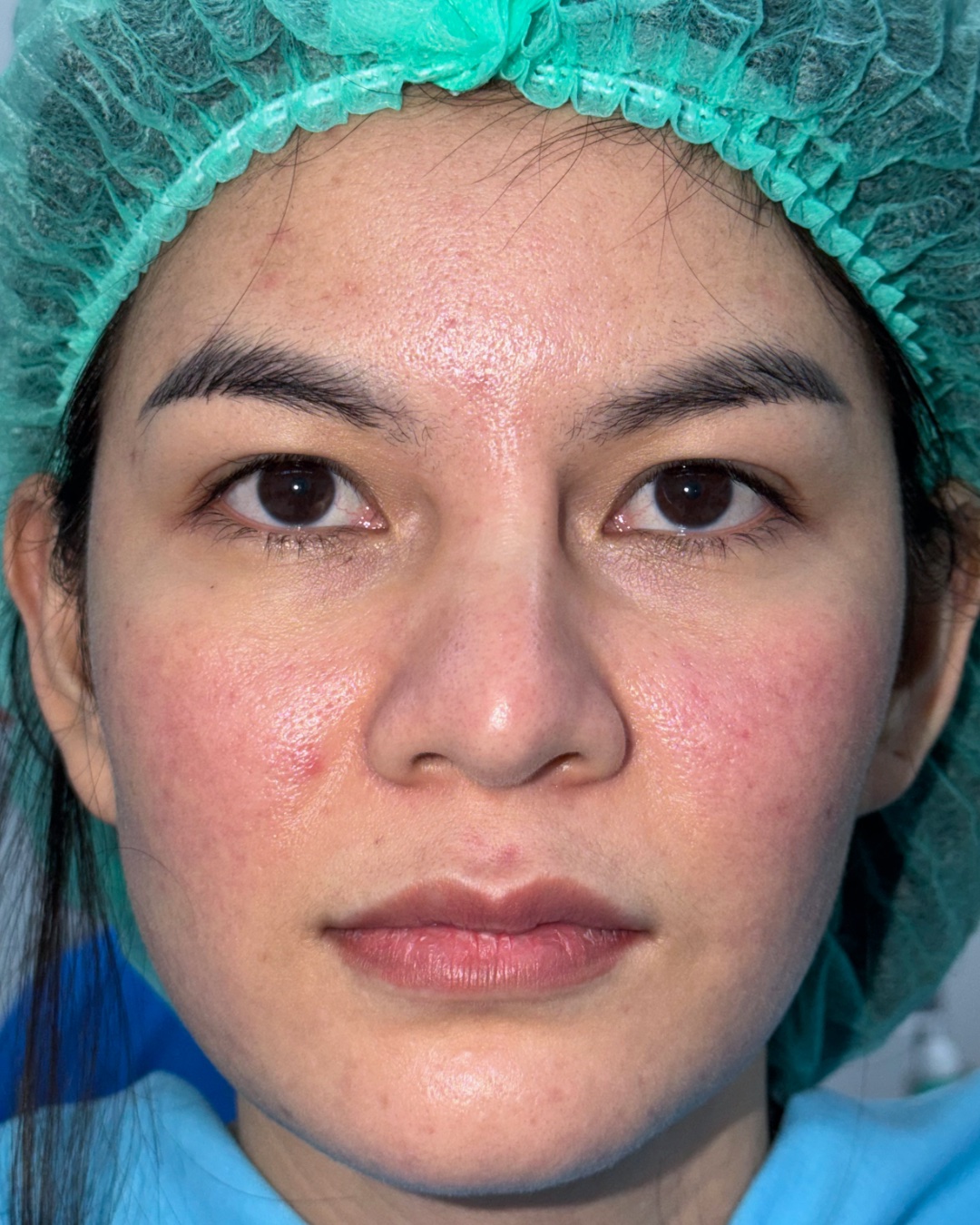
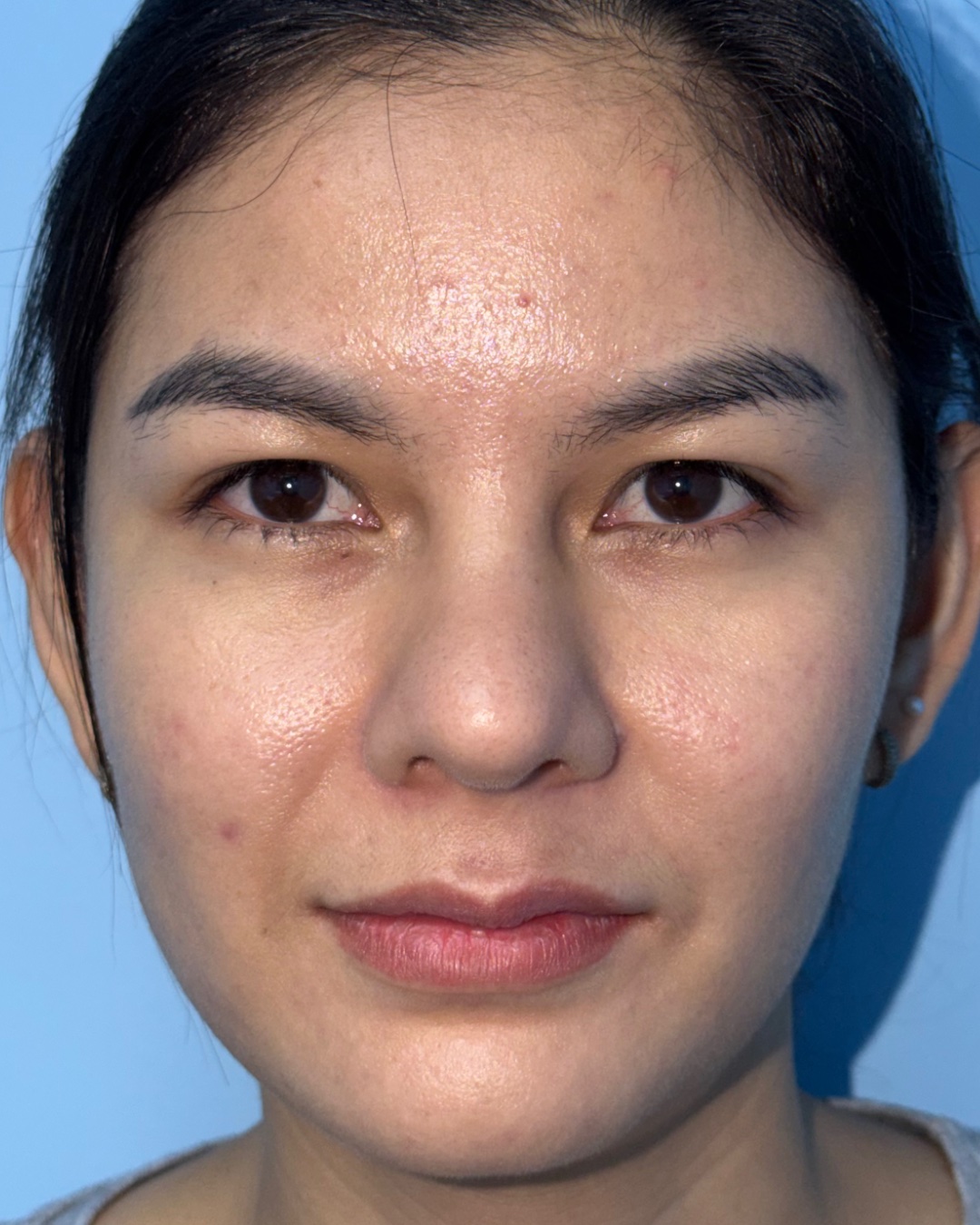
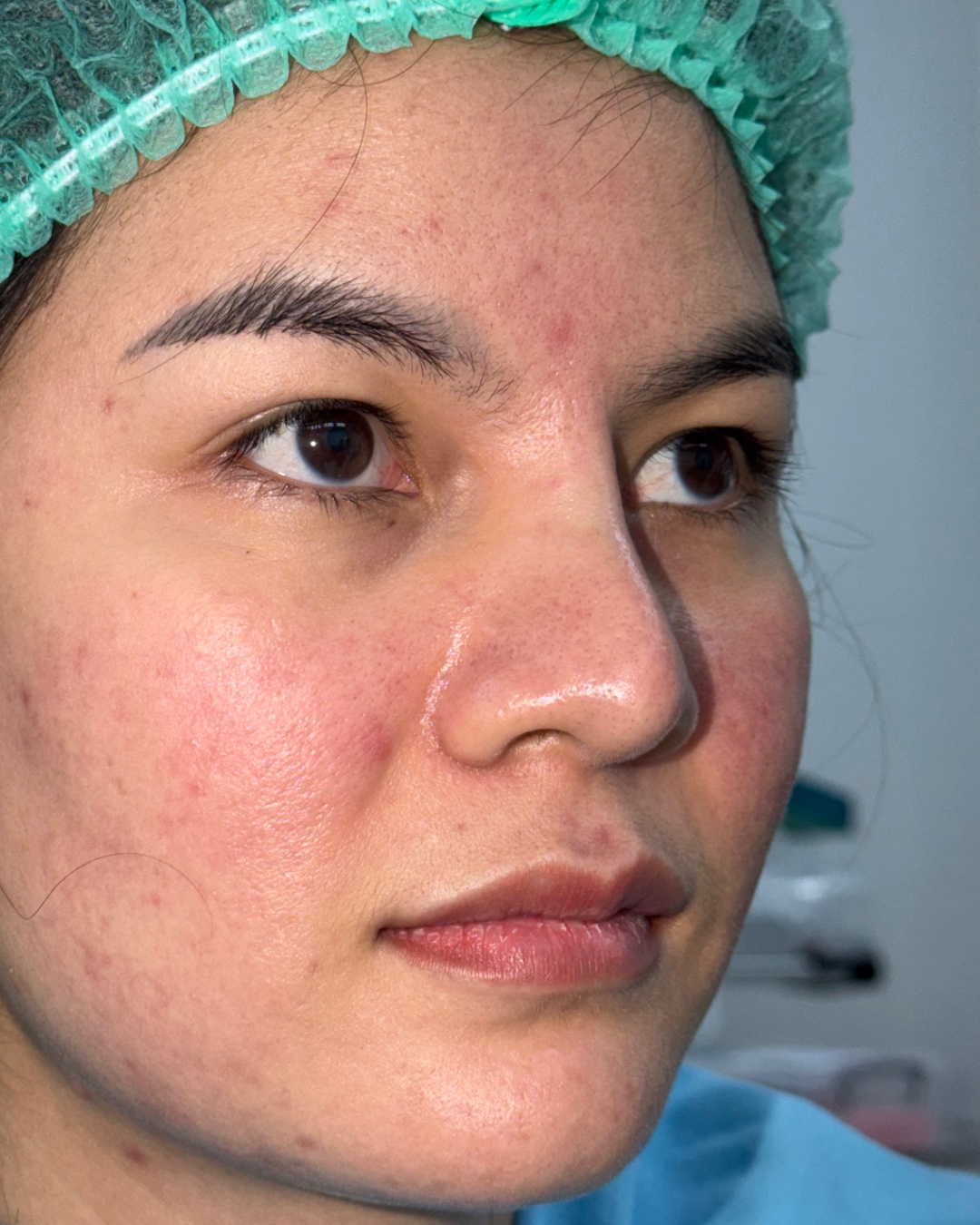
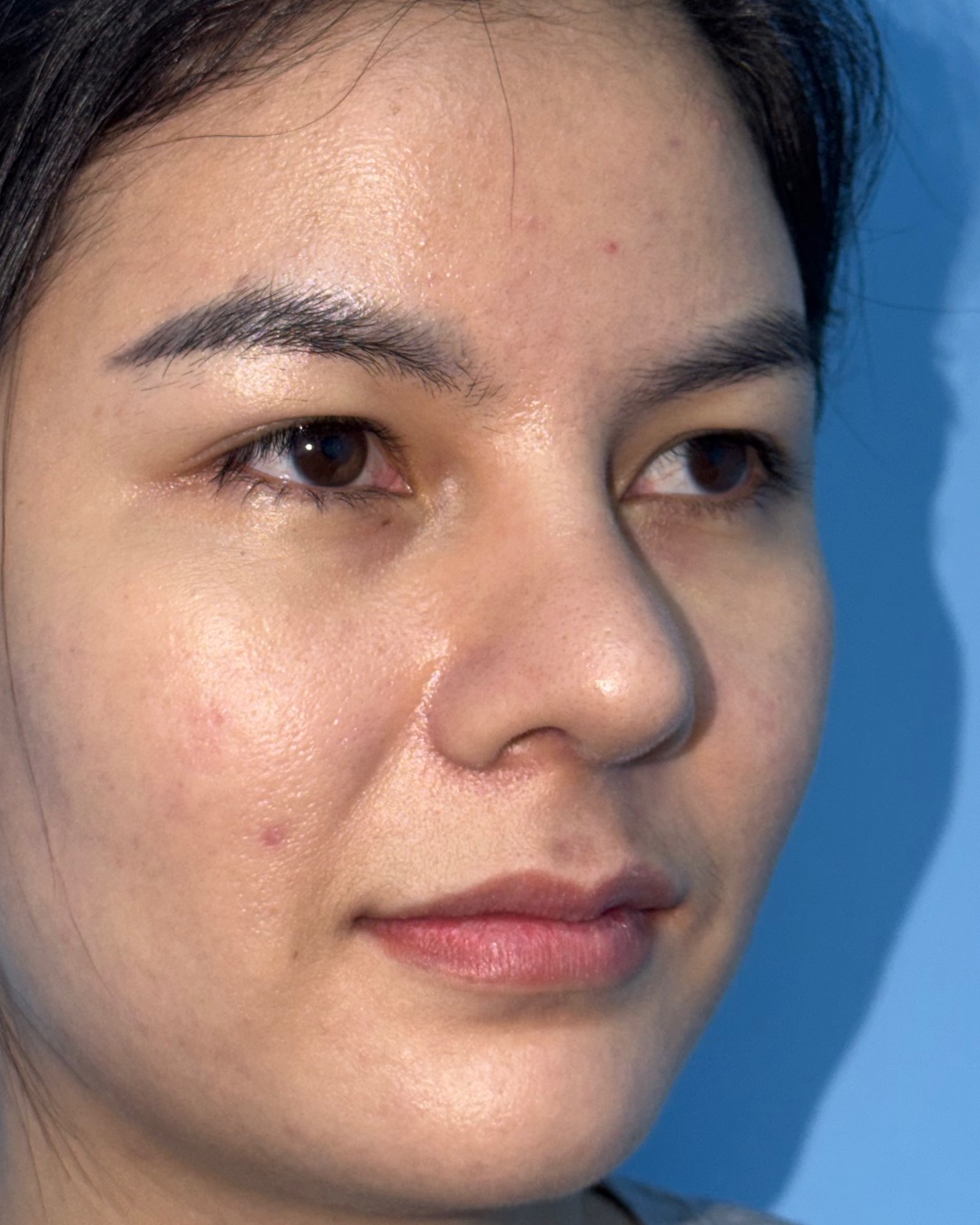
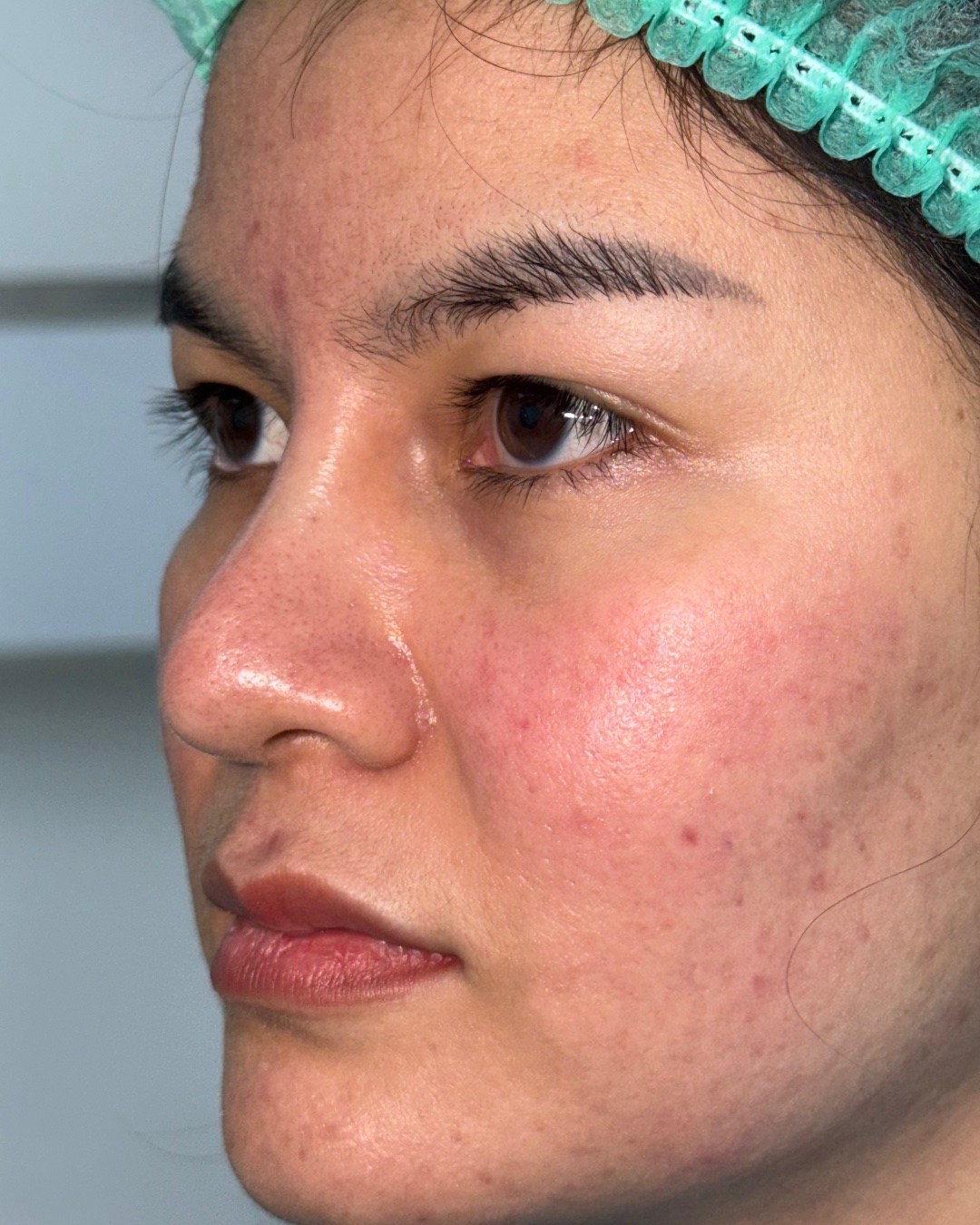
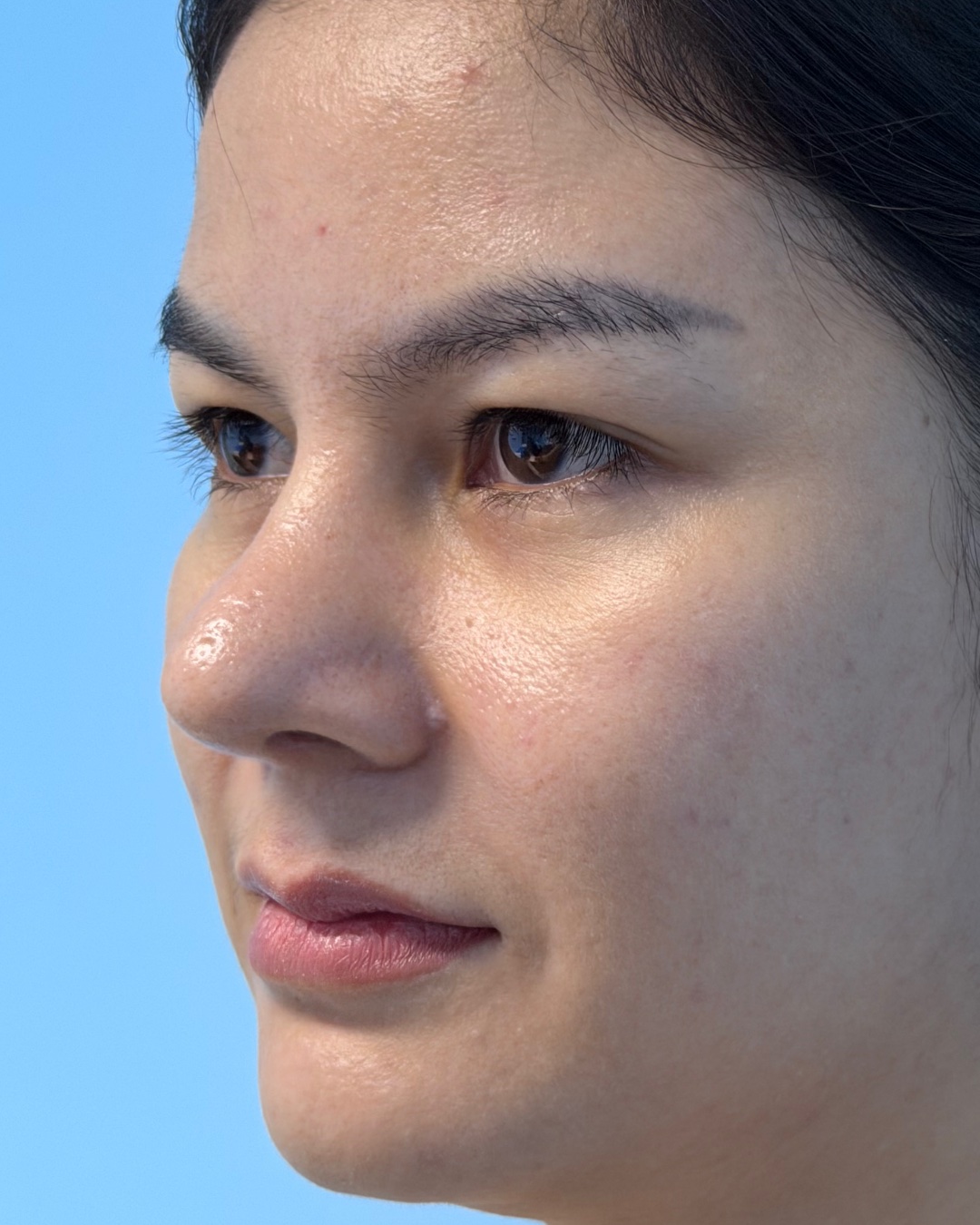
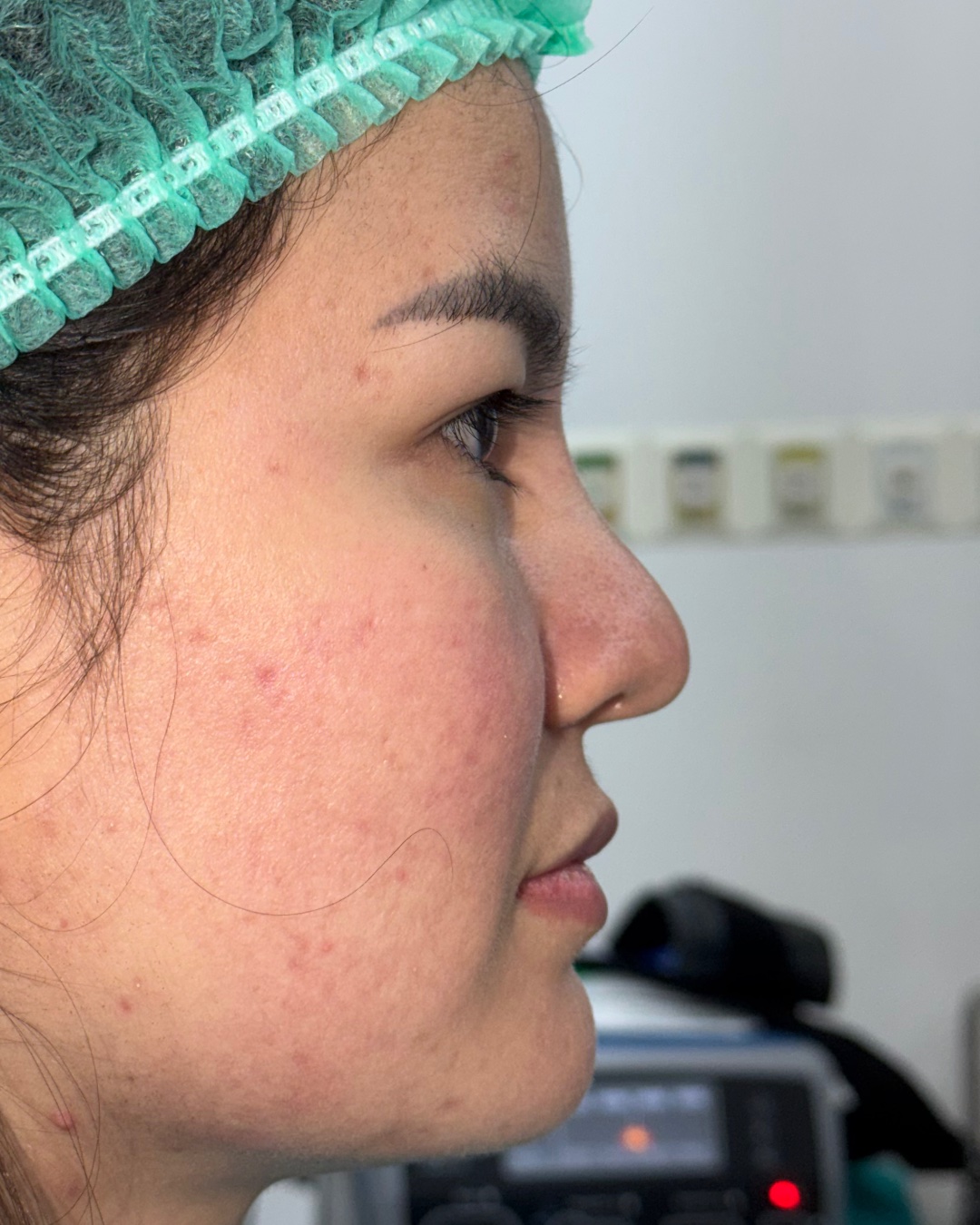
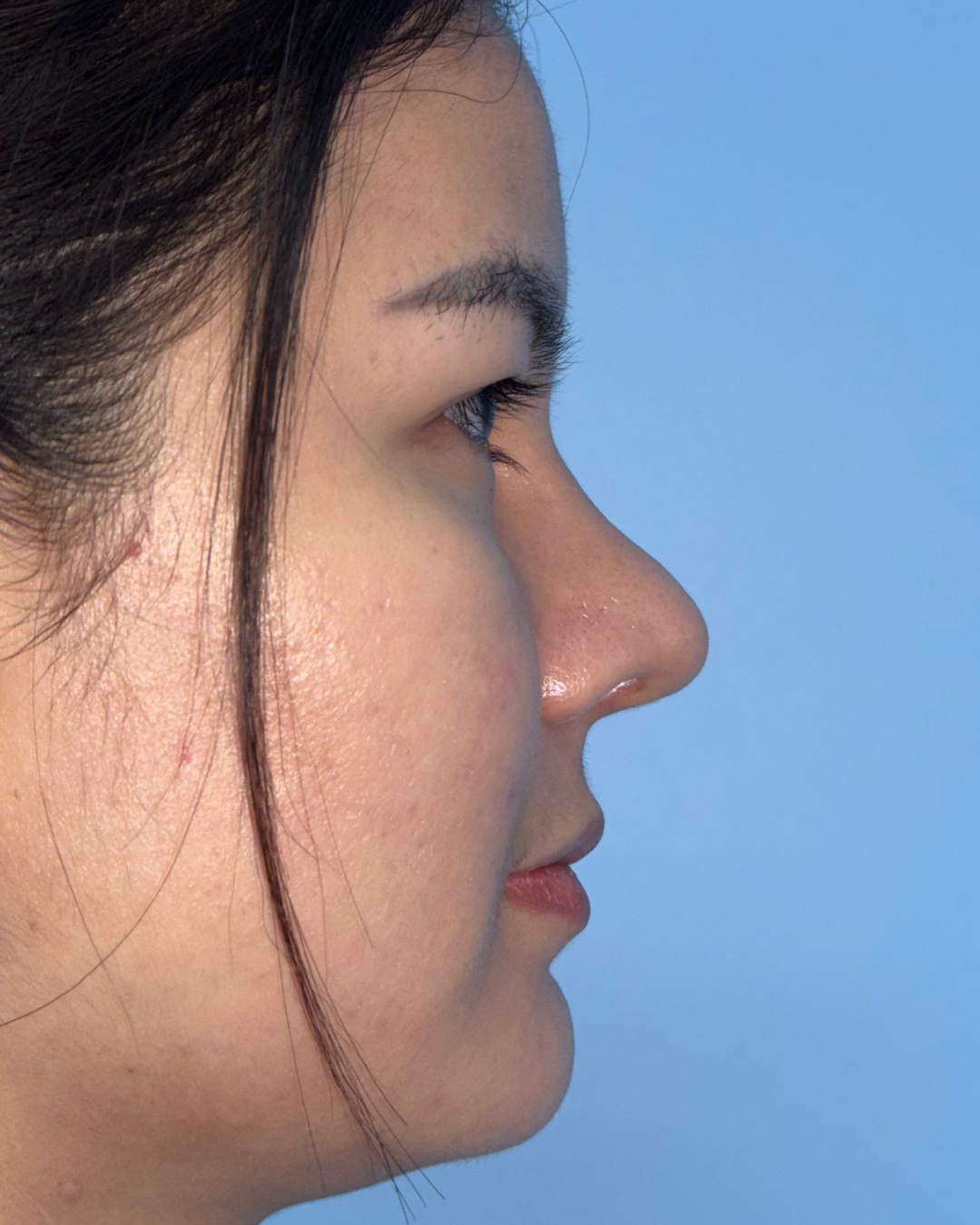
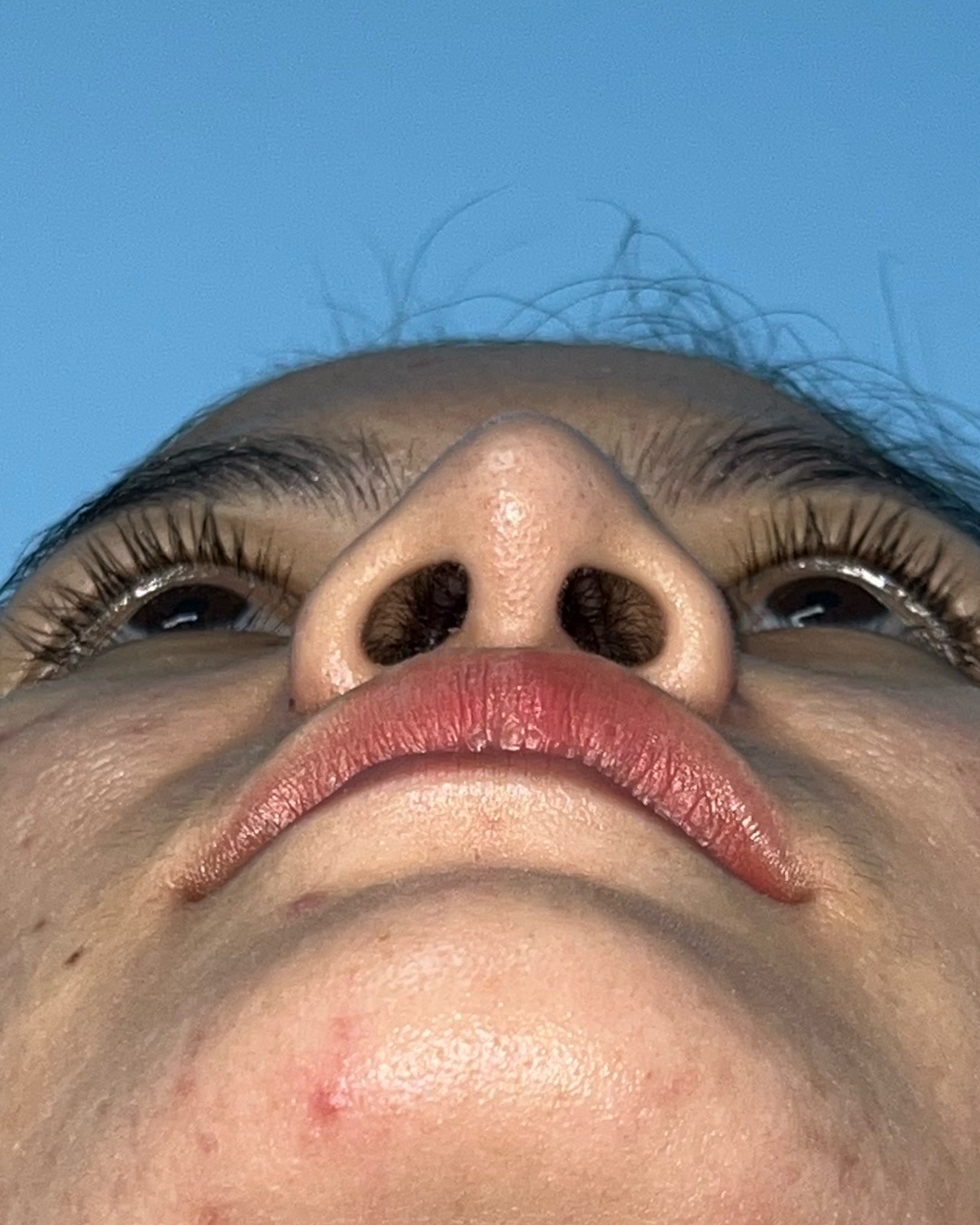
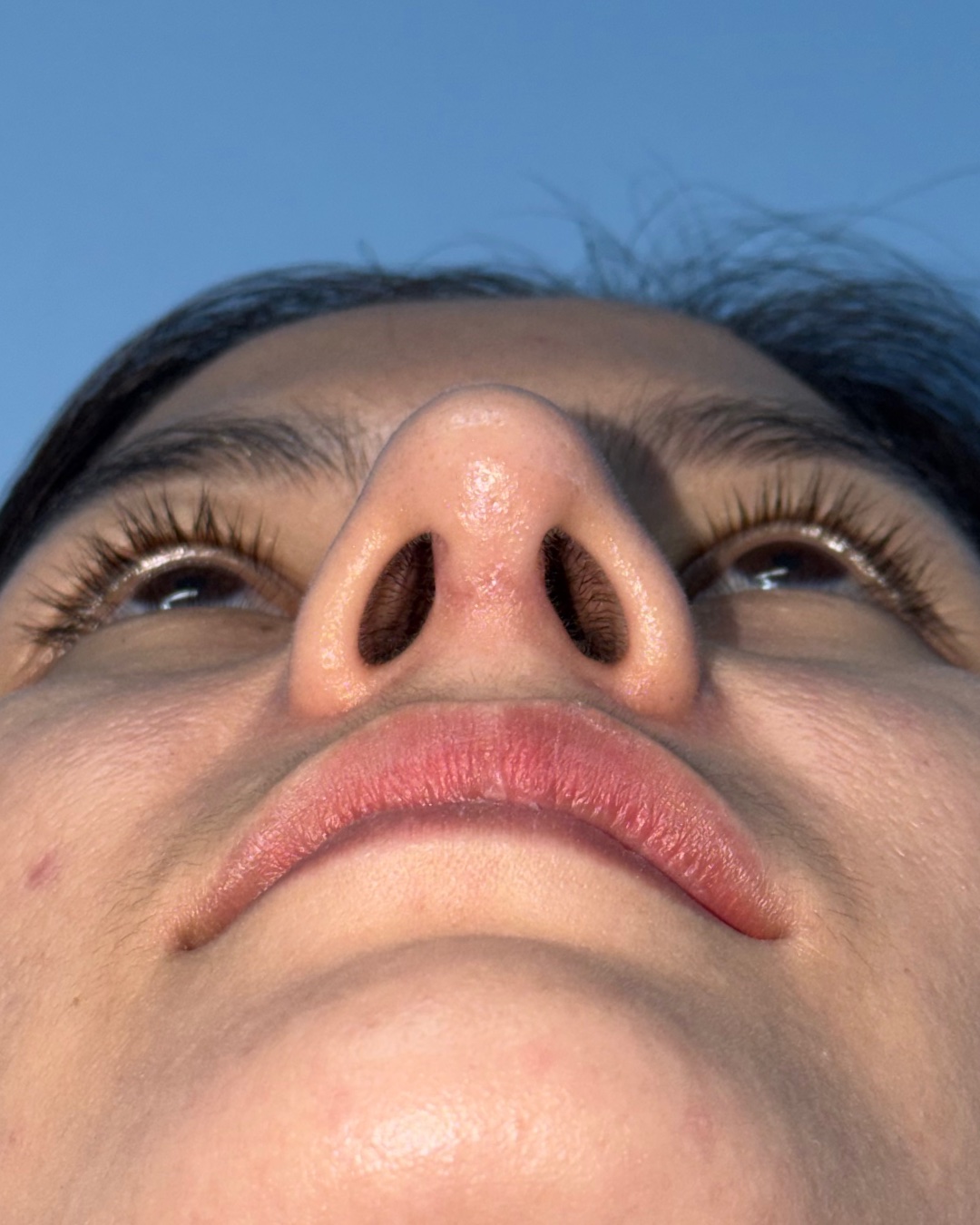
Before and 4-month follow-up photographs shown across matched front, bilateral oblique, right profile and base views.
RELATED PATHWAYS
CONSULTATION
A consultation is used to review your previous surgery, examine the current anatomy, and discuss what may be safely and realistically improved.
If available, bring previous operative records, implant or graft information, and photographs from before or after your previous surgery.
Request Consultation