Open Rhinoplasty
Dr. Joe uses an open approach to assess and modify the nasal framework directly.
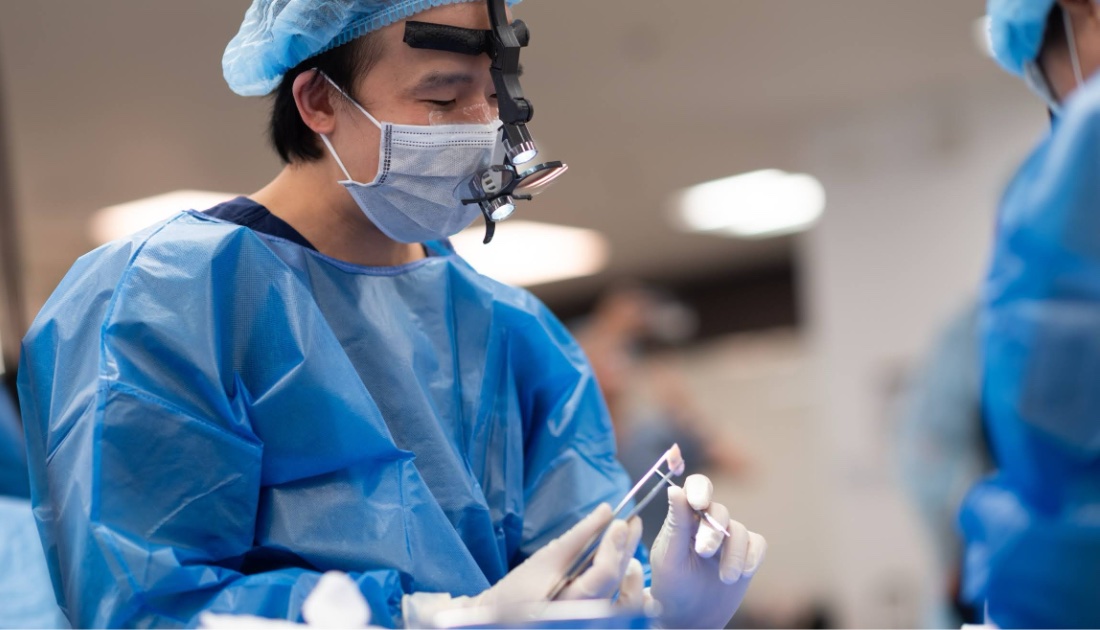
Understand open rhinoplastyRhinoplasty is surgery to reshape and support the nose, with planning based on nasal anatomy, facial proportions, and individual concerns. Dr. Joe’s rhinoplasty practice uses an open approach, with structural techniques and cartilage grafting selected according to the anatomy and goals of each patient. Assessment differs between first-time and revision surgery.
Find your pathway
Planning differs between first-time and revision rhinoplasty, so the starting point is not the same for every patient.
For patients considering rhinoplasty for the first time, planning begins with nasal anatomy, facial proportions, and individual goals.
Primary Rhinoplasty Previous nasal surgeryFor patients who have had previous nasal surgery, planning considers the current anatomy, scar tissue, prior implants or grafts, and any remaining concerns.
Revision Rhinoplasty Structural & functional concernsFor nasal deviation, asymmetry, breathing concerns, structural weakness, or deformity related to congenital anatomy or previous trauma.
Structural & Functional RhinoplastyStructural and functional concerns may be present in either primary or revision rhinoplasty and are assessed as part of the individual surgical plan.
Individual surgical planning
Rhinoplasty planning considers nasal shape and proportions, structural support, skin and soft-tissue characteristics, breathing function, and any history of previous surgery.
Depending on the findings, surgery may involve reshaping existing structures, cartilage grafting, or an implant where appropriate. The technique and materials are selected according to the anatomy and goals of each patient.
Surgical approach & materials
The surgical approach and materials are selected according to the structure of the nose and the goals of each patient.
Dr. Joe uses an open approach to assess and modify the nasal framework directly.
Understand open rhinoplastyRib cartilage may be used when additional structural support or reshaping is needed.
Understand costal cartilage grafting and harvestIn selected cases, an implant may be used alone or together with the patient’s own cartilage.
The technique is chosen as part of the surgical plan, not before the anatomy has been assessed.
Patient results
Before-and-after photographs can help show how rhinoplasty may address different concerns. Results should be viewed together with the patient’s starting anatomy, surgical plan, and follow-up period.
Featured rhinoplasty case
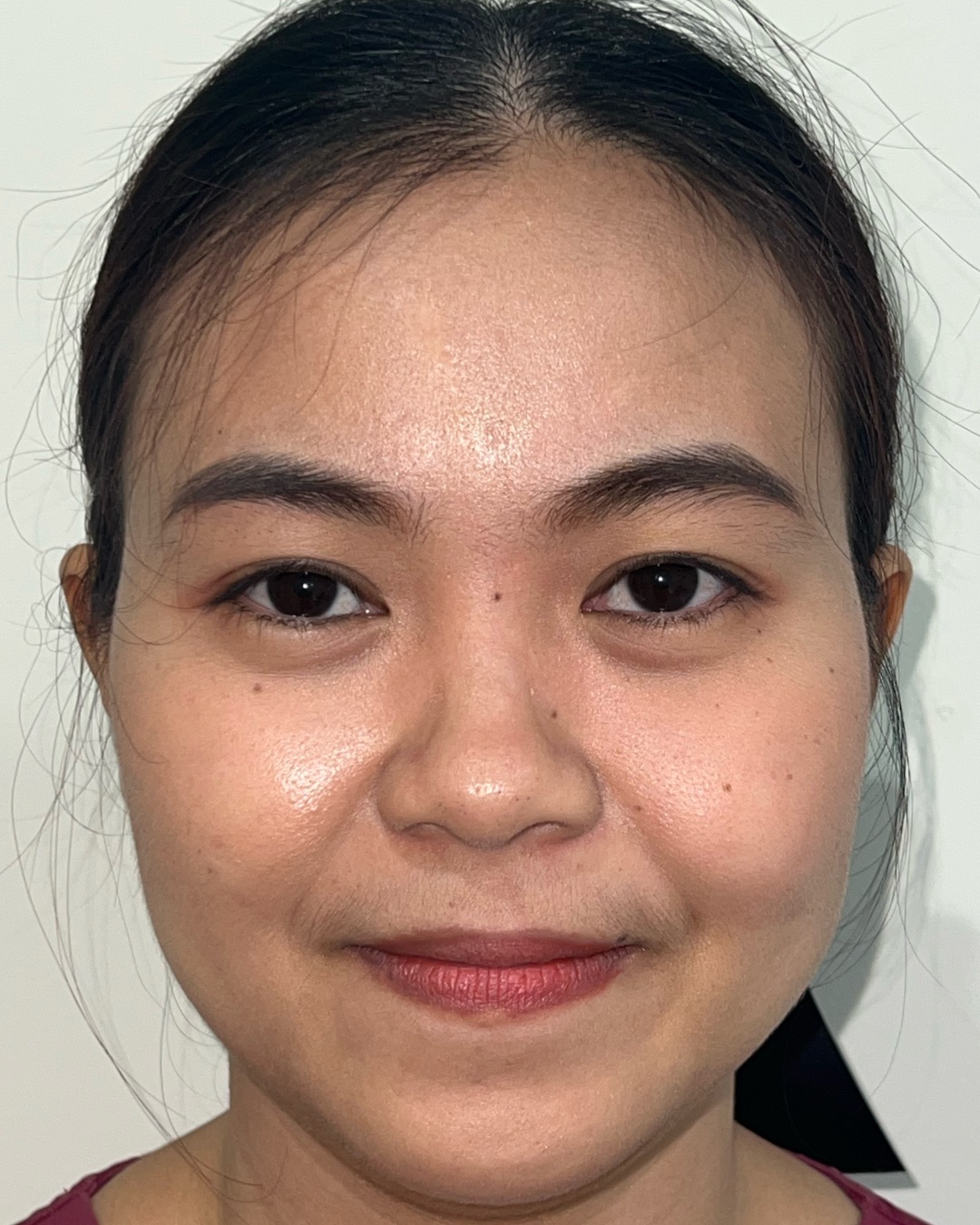
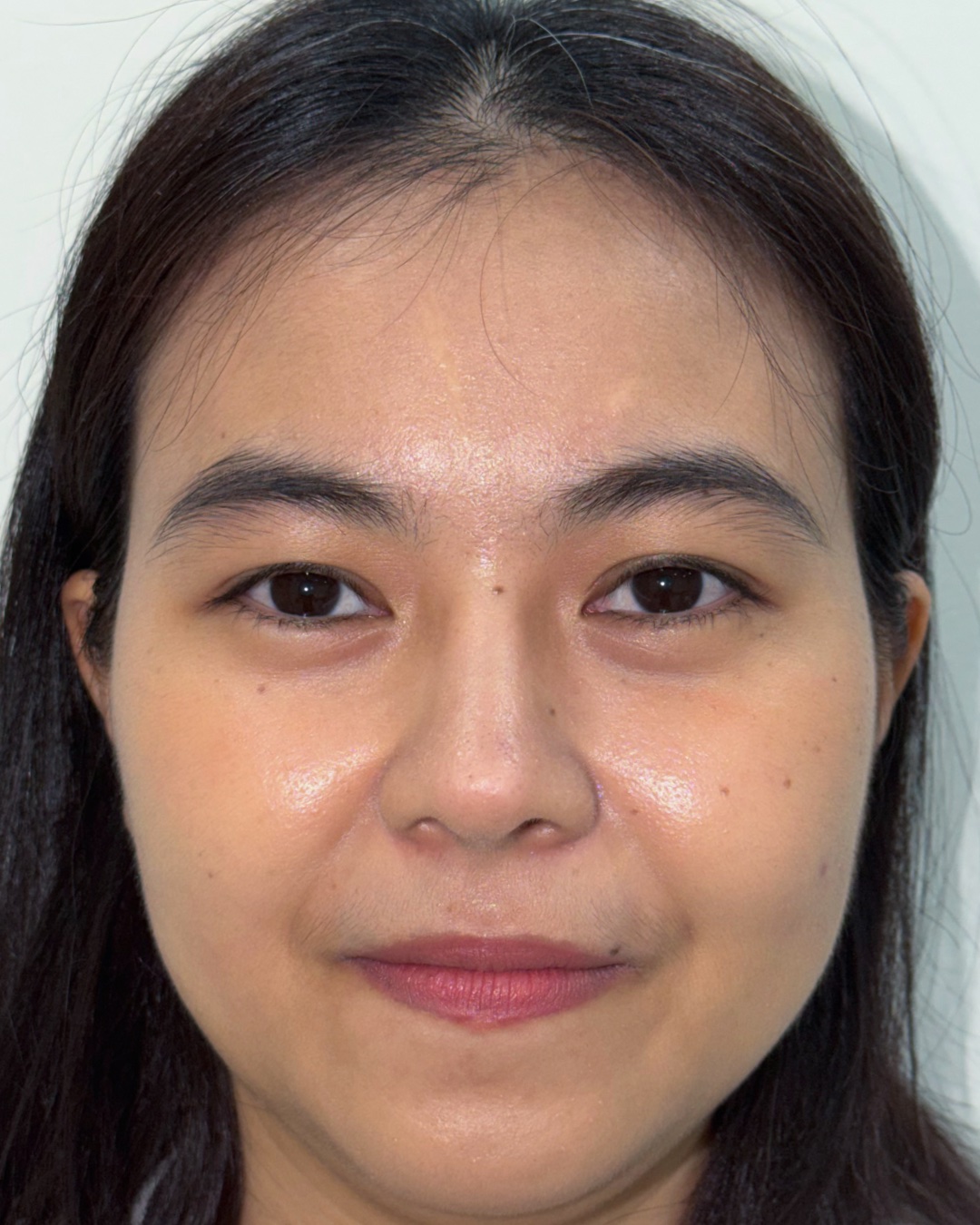


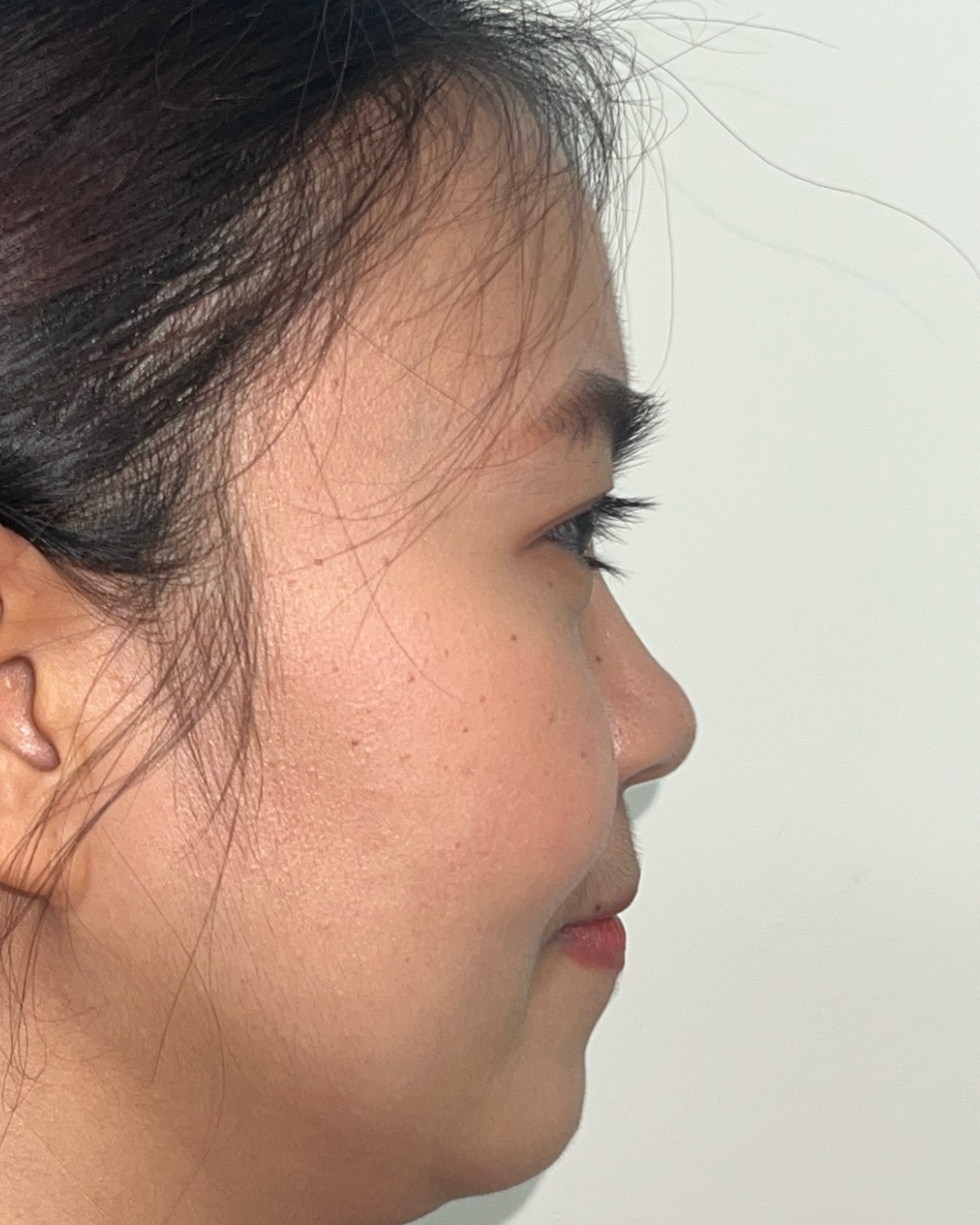
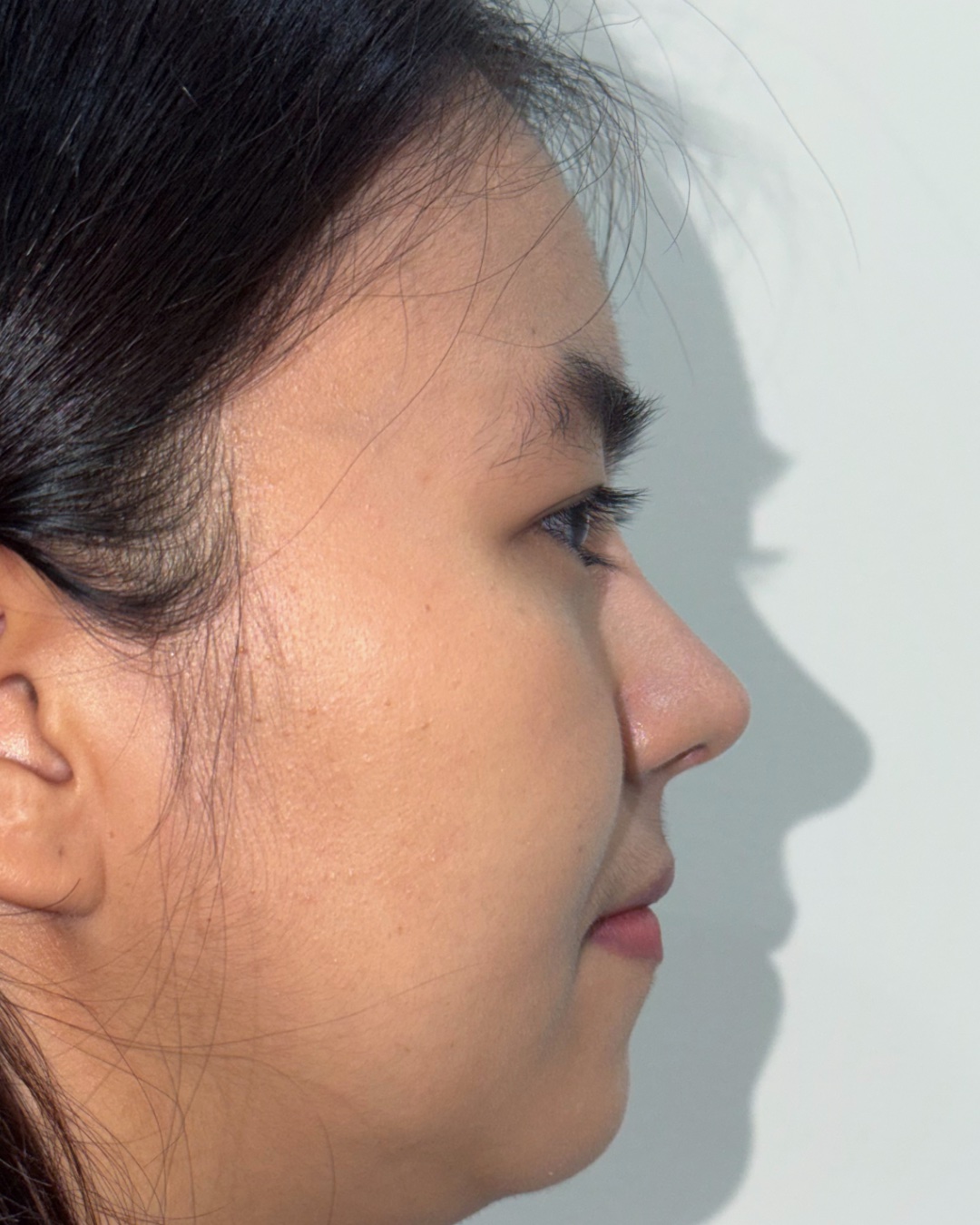
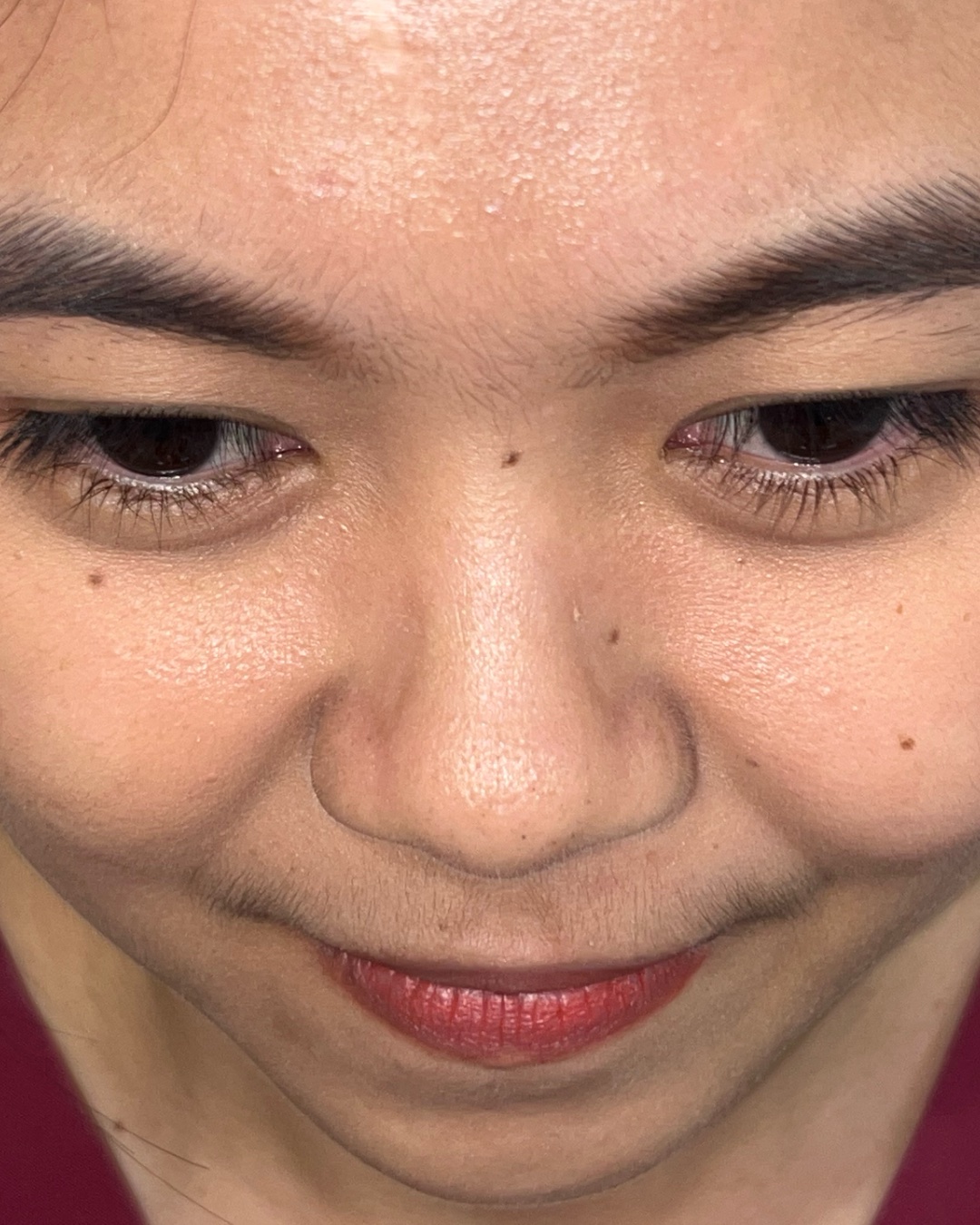

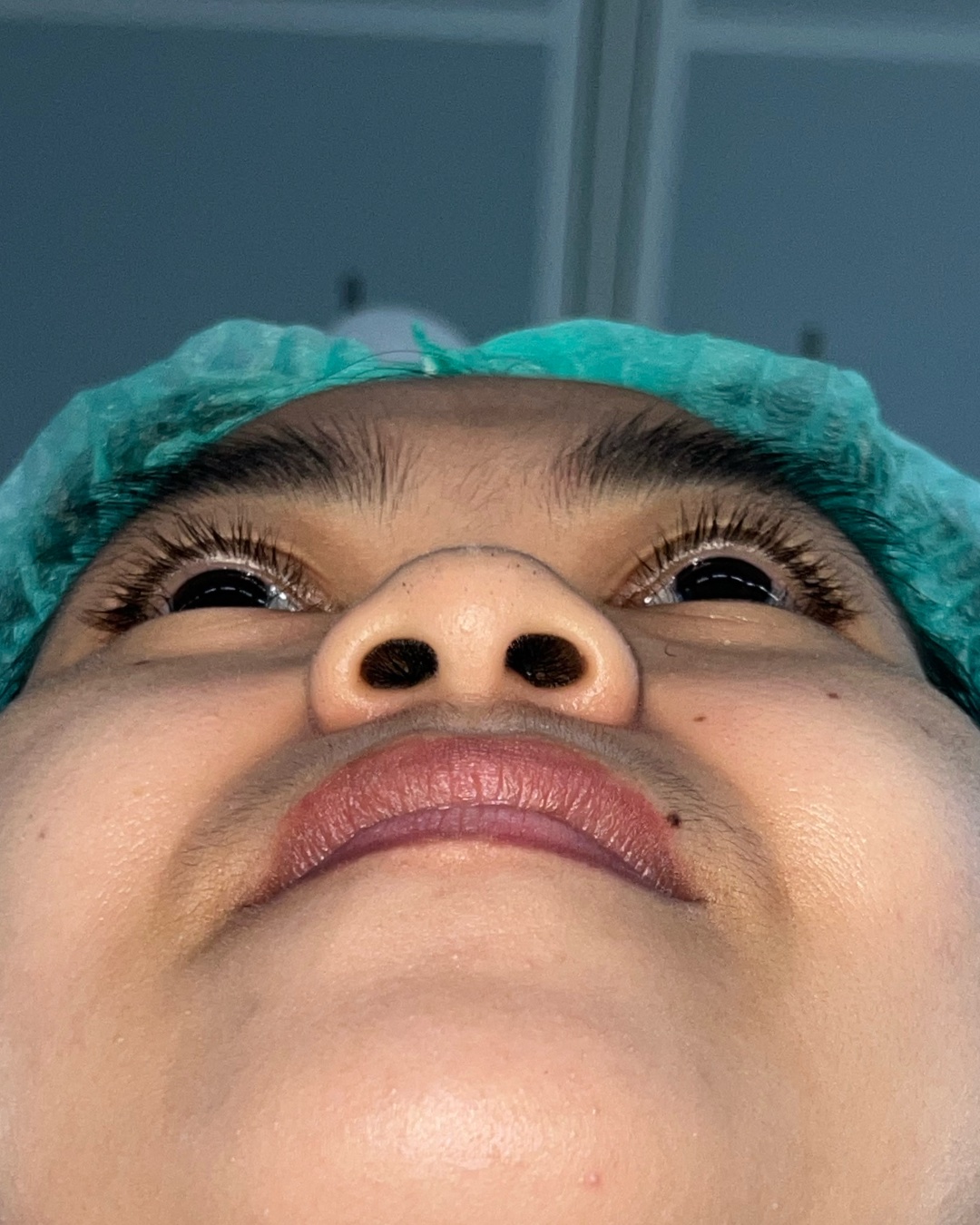
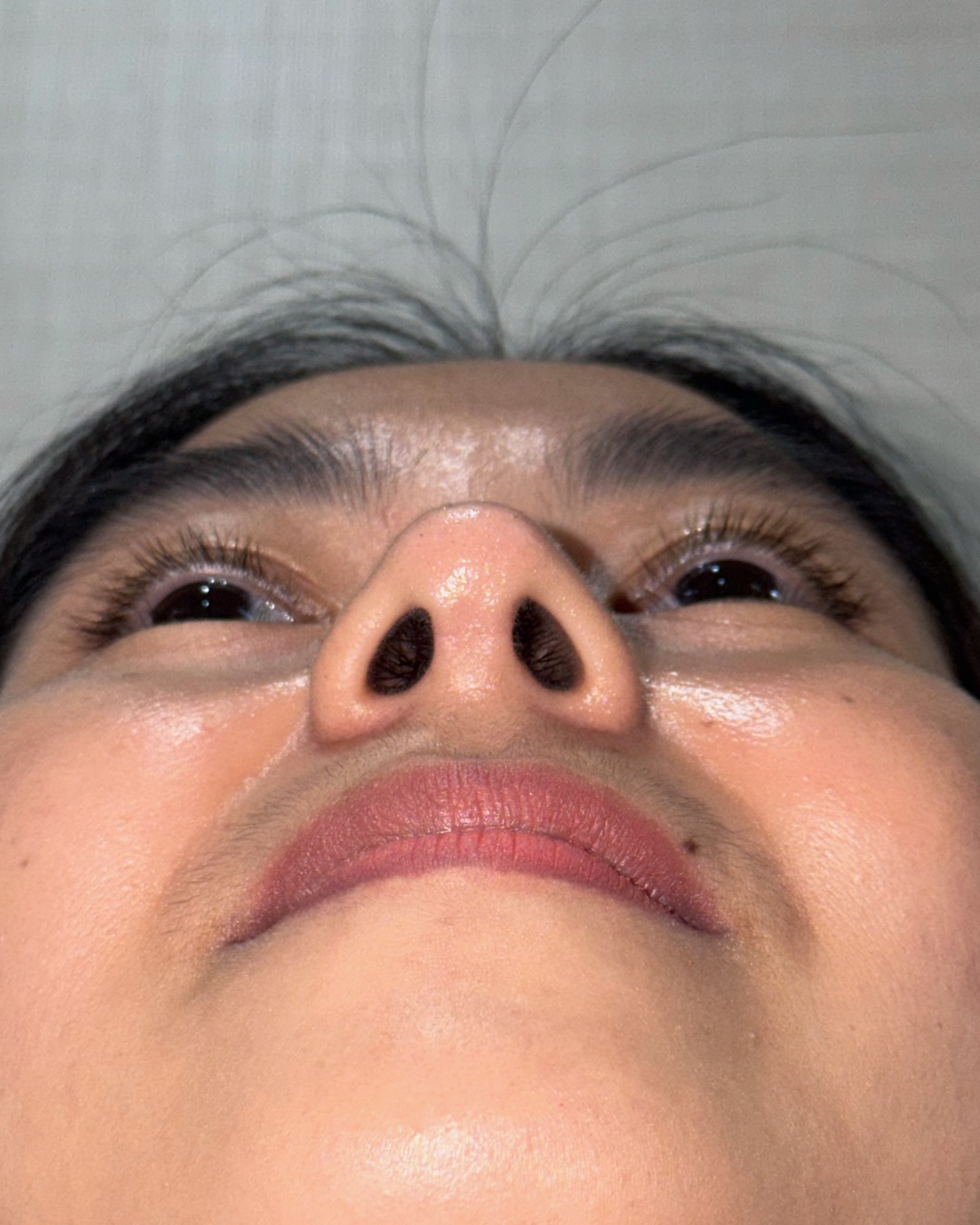
Before and 13-month follow-up photographs shown across matched front, oblique, profile, top-down and base views.
Surgeon-led care
Rhinoplasty planning is led by Dr. Joe from assessment through surgical decision-making. The aim is not to apply a fixed shape or technique, but to understand the patient’s anatomy, concerns, and realistic treatment options.
In some cases, the most appropriate recommendation may be a more limited change—or no further surgery at all.
About Dr. JoeYour consultation
Consultation focuses on your concerns, nasal anatomy, relevant medical history, and any previous nasal procedures. You do not need to choose a technique before speaking with Dr. Joe.