Open Rhinoplasty
Dr. Joe uses an open approach to assess and modify the nasal framework directly.
Understand open rhinoplastyPrimary rhinoplasty is nasal surgery performed for the first time. It may address selected concerns involving the nasal bridge, tip, proportions, or structural support.
WHO THIS MAY HELP
First-time rhinoplasty may be considered by patients who wish to discuss changes to nasal shape.
Structural concerns or findings may be addressed together during surgery.
WHAT SURGERY CAN ADDRESS
Depending on the anatomy and surgical plan, primary rhinoplasty may address the nasal bridge, tip, projection, overall proportions, selected asymmetry, and structural support.
The degree of change depends on the existing anatomy, skin and soft-tissue characteristics, structural support, healing, and the need to preserve nasal function.
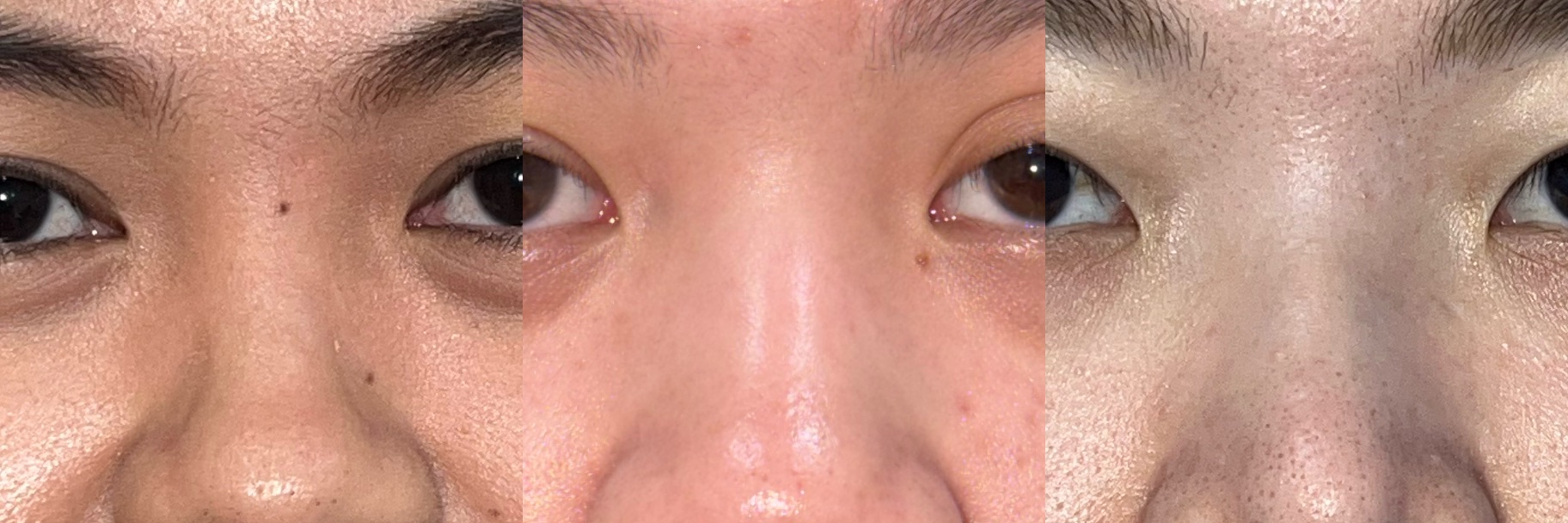
 Before
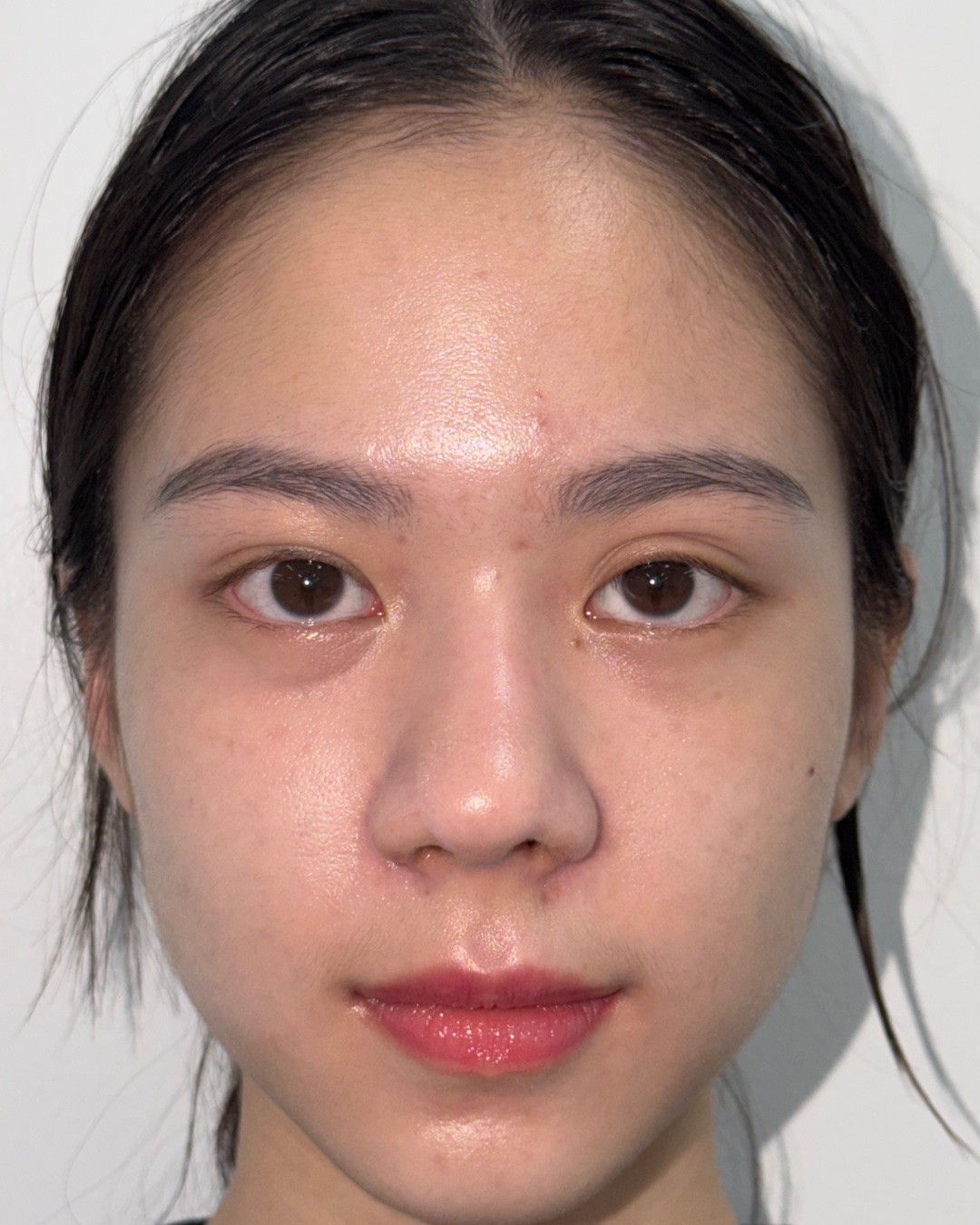 After · 2 months
Primary Rhinoplasty + Costal Cartilage Grafting + Alar plasty · 2-month follow-up · Front view
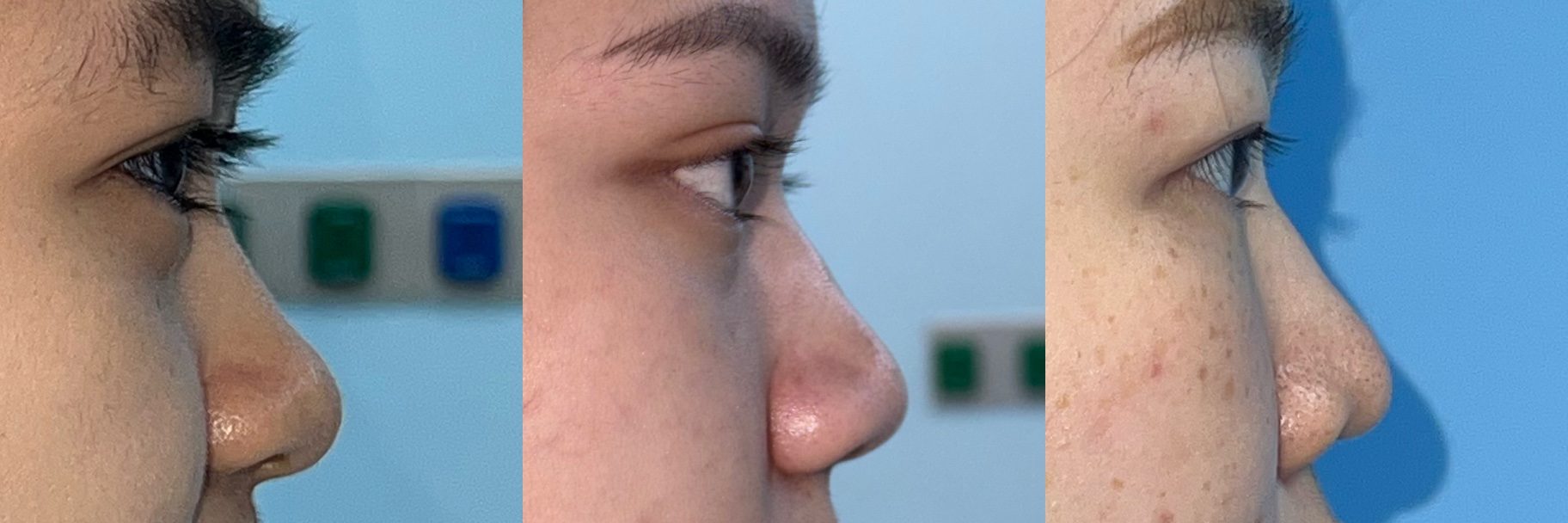
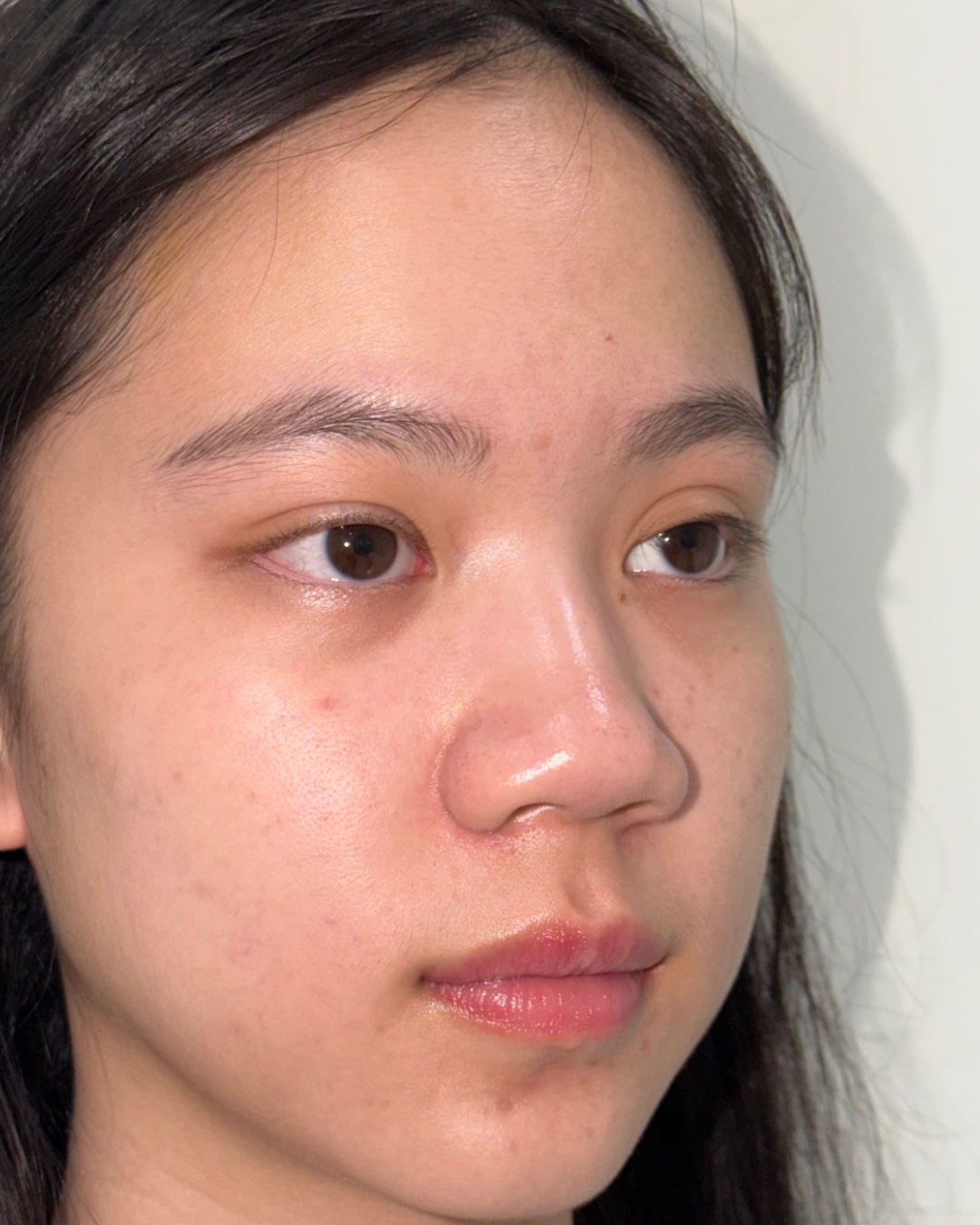 Before
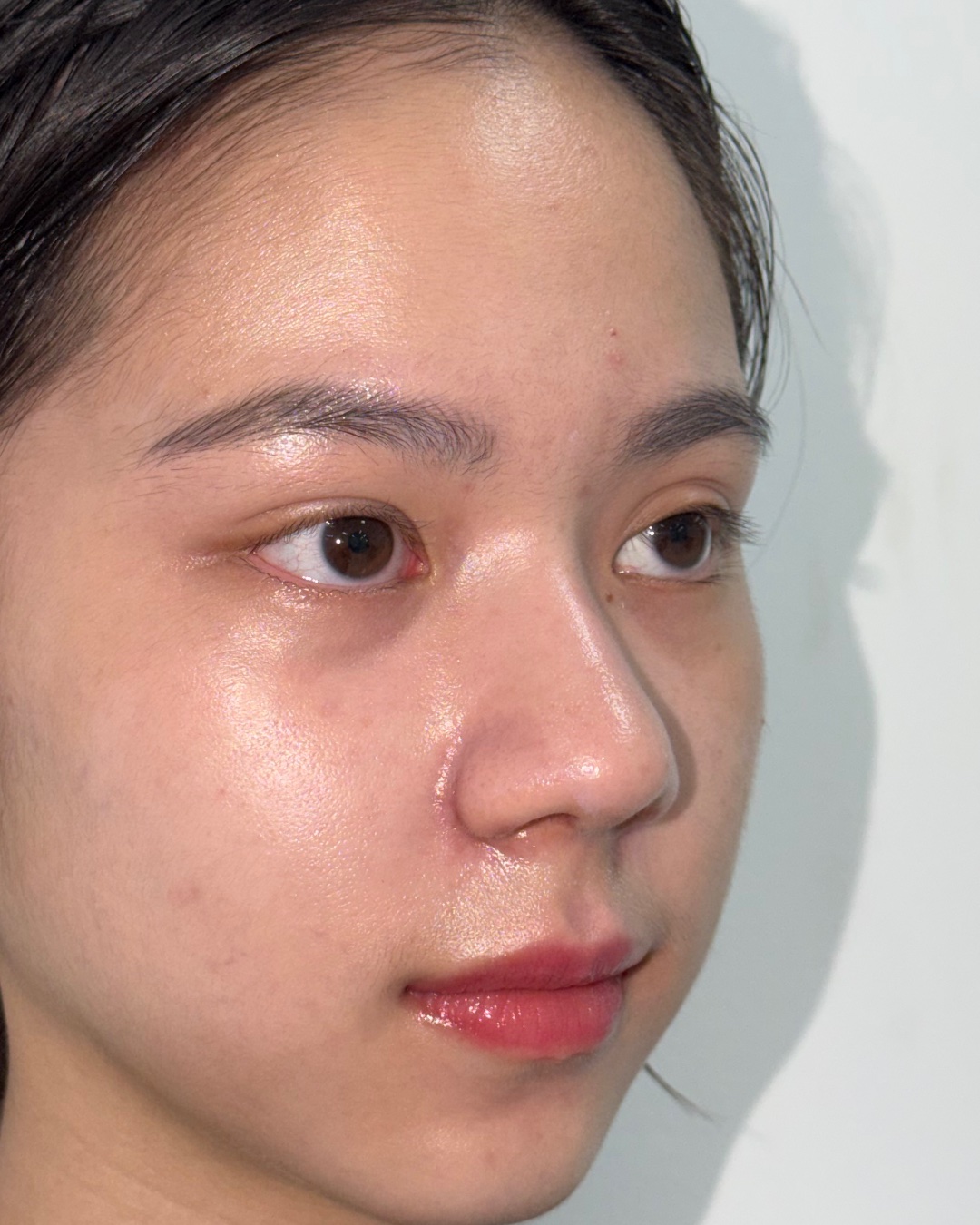 After · 2 months
Primary Rhinoplasty + Costal Cartilage Grafting + Alar plasty · 2-month follow-up · Oblique view
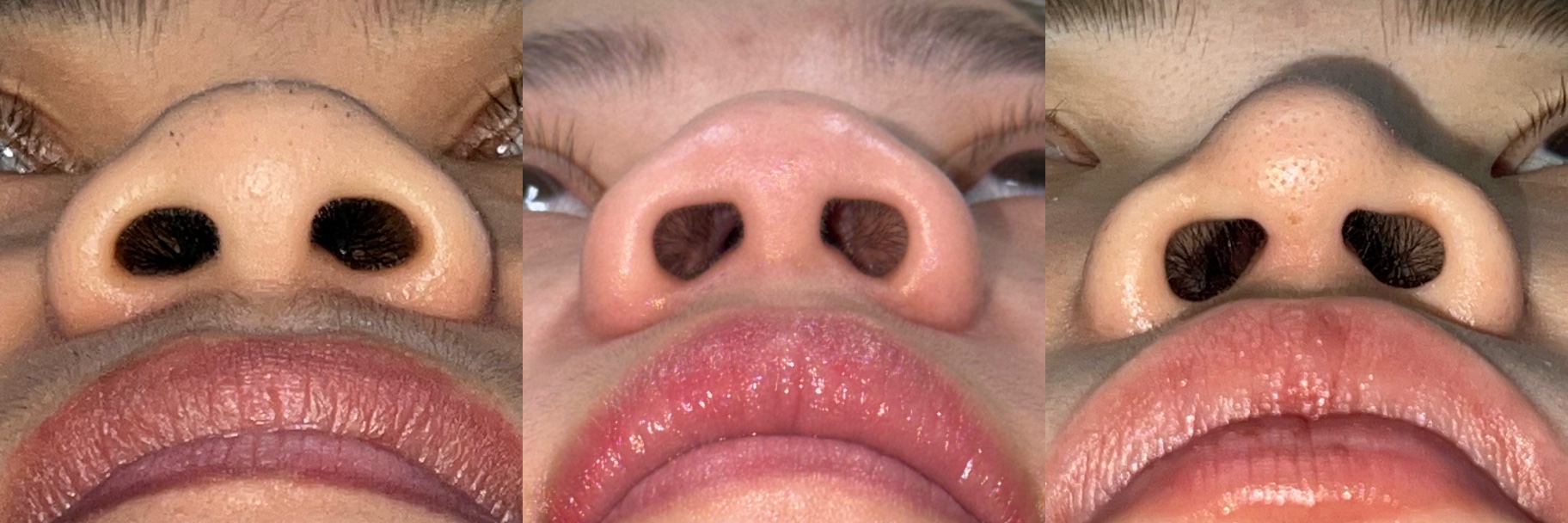
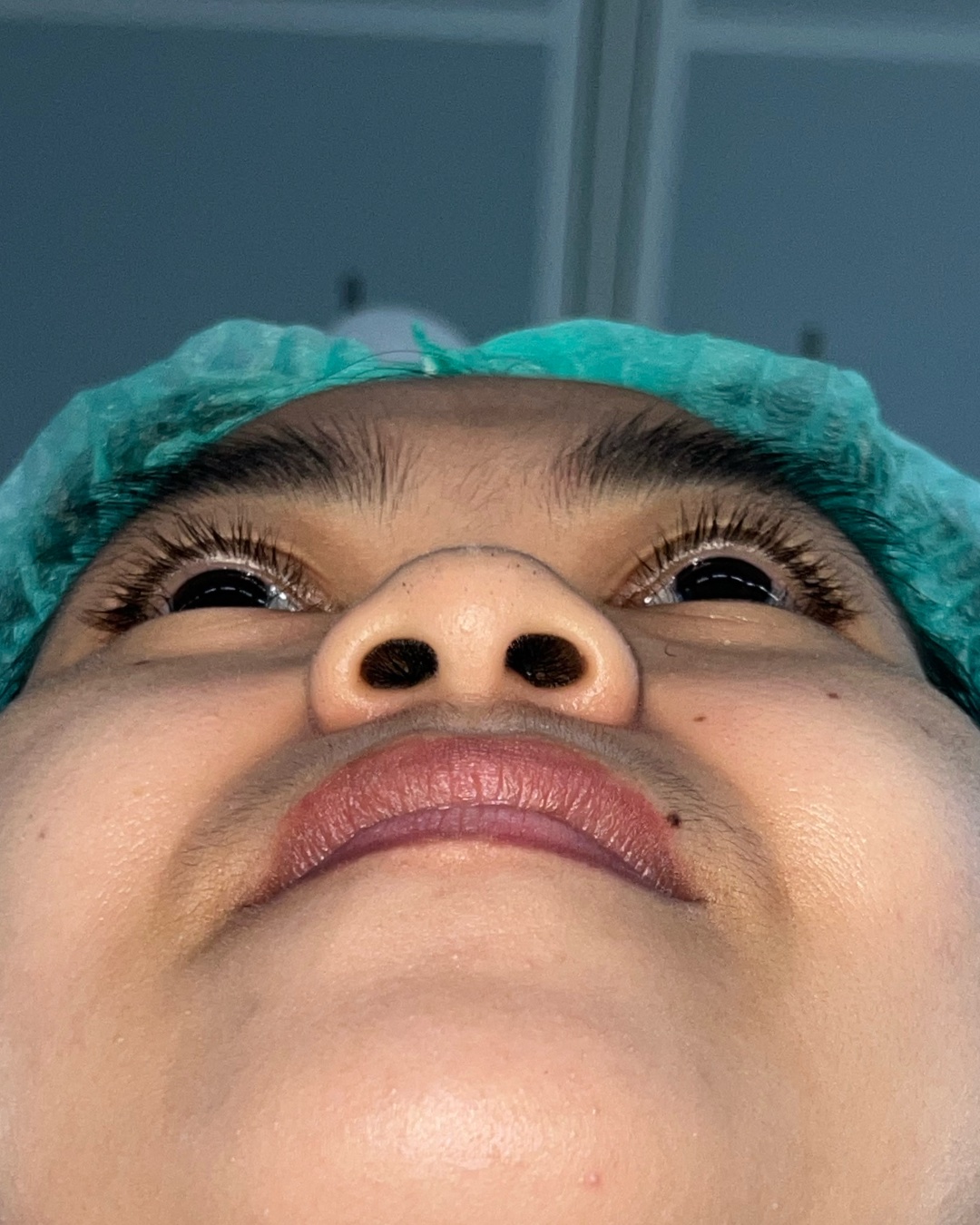 Before
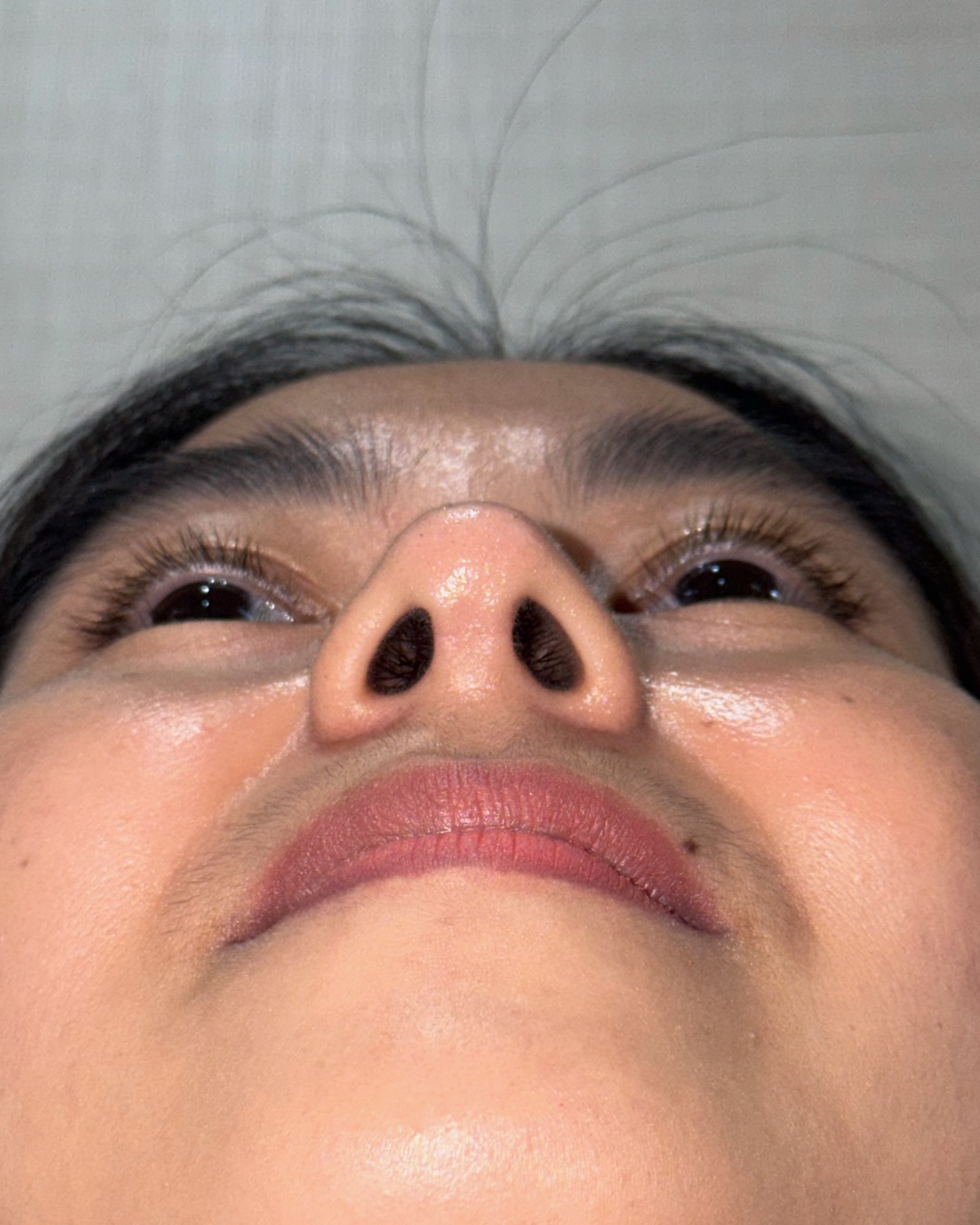 After · 13 months
Primary Rhinoplasty + Costal Cartilage Grafting · 13-month follow-up · Base view
WHAT HAPPENS DURING SURGERY
Planning is based on nasal shape, skin and soft tissues, structural support, internal anatomy, and any relevant breathing concerns.
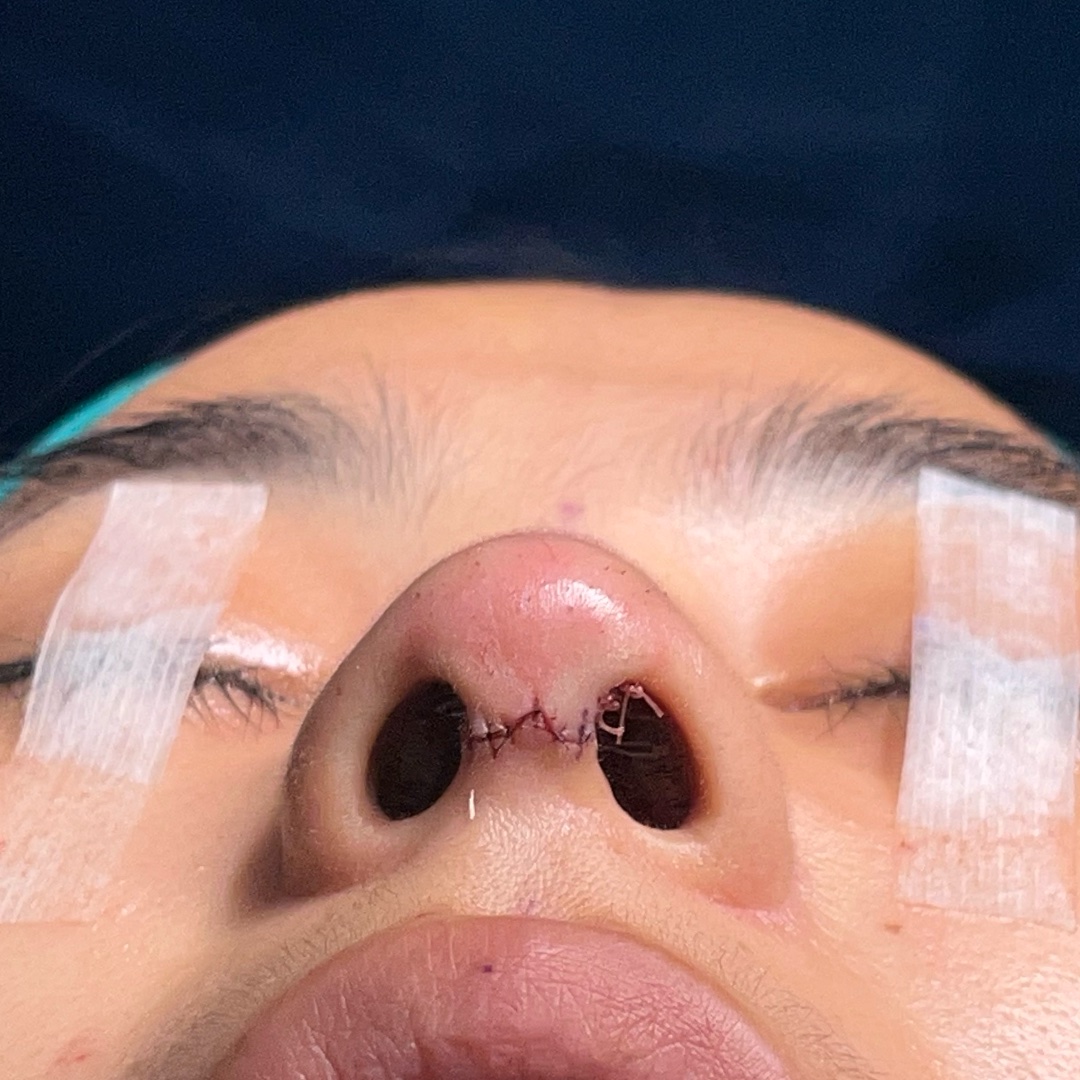
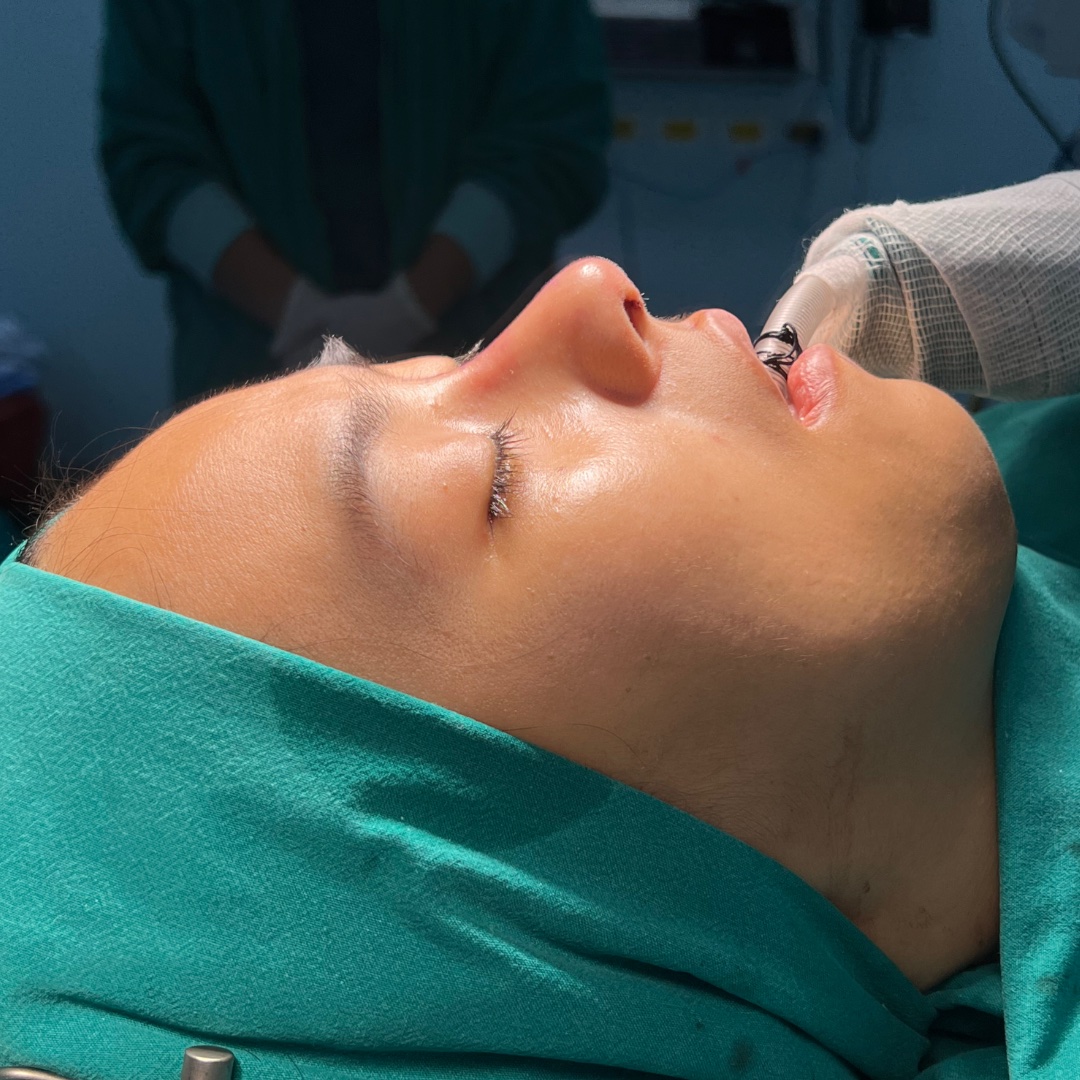
Dr. Joe uses an open rhinoplasty approach. Bone or cartilage may be reshaped, and cartilage grafts or an implant may be used when needed for contour or support.
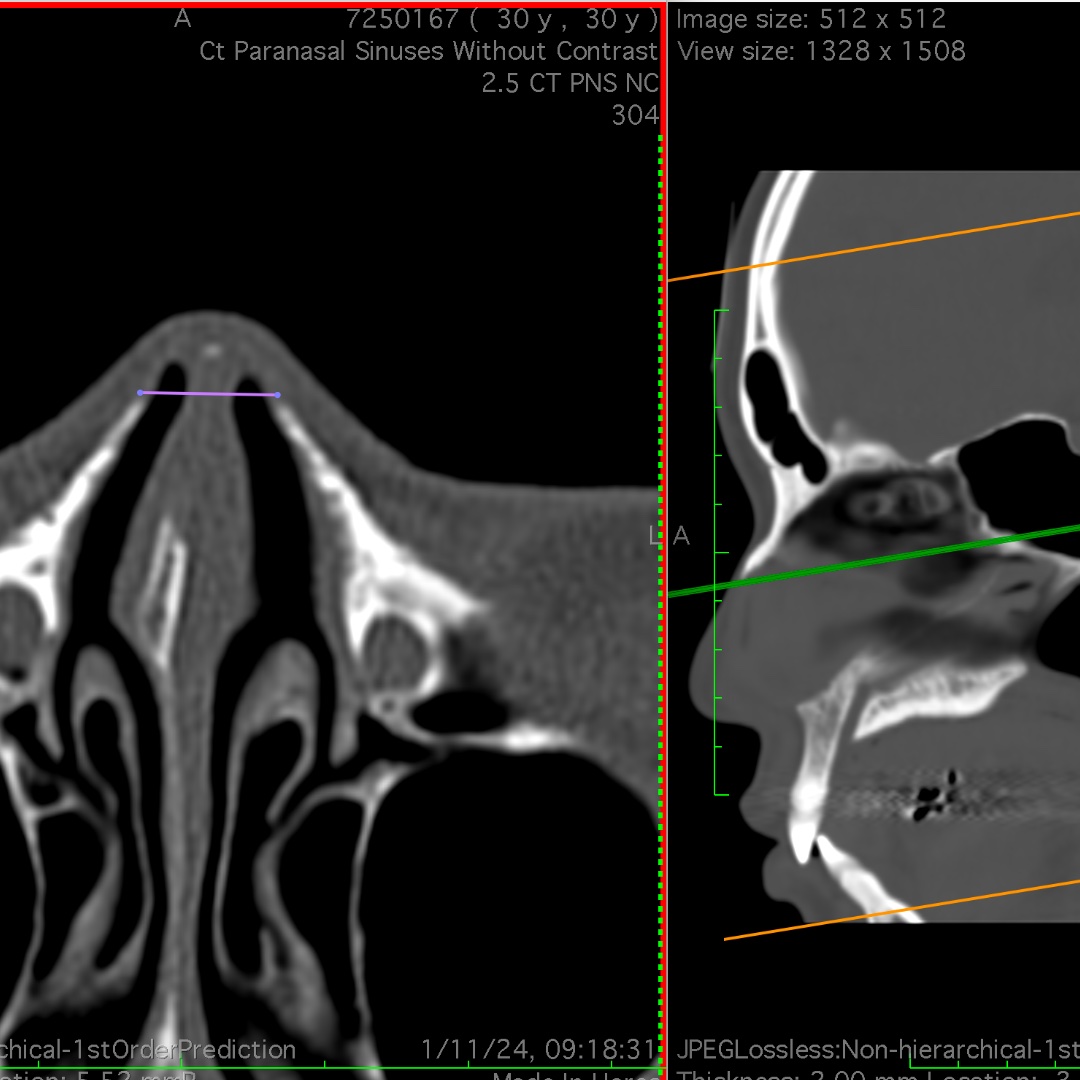
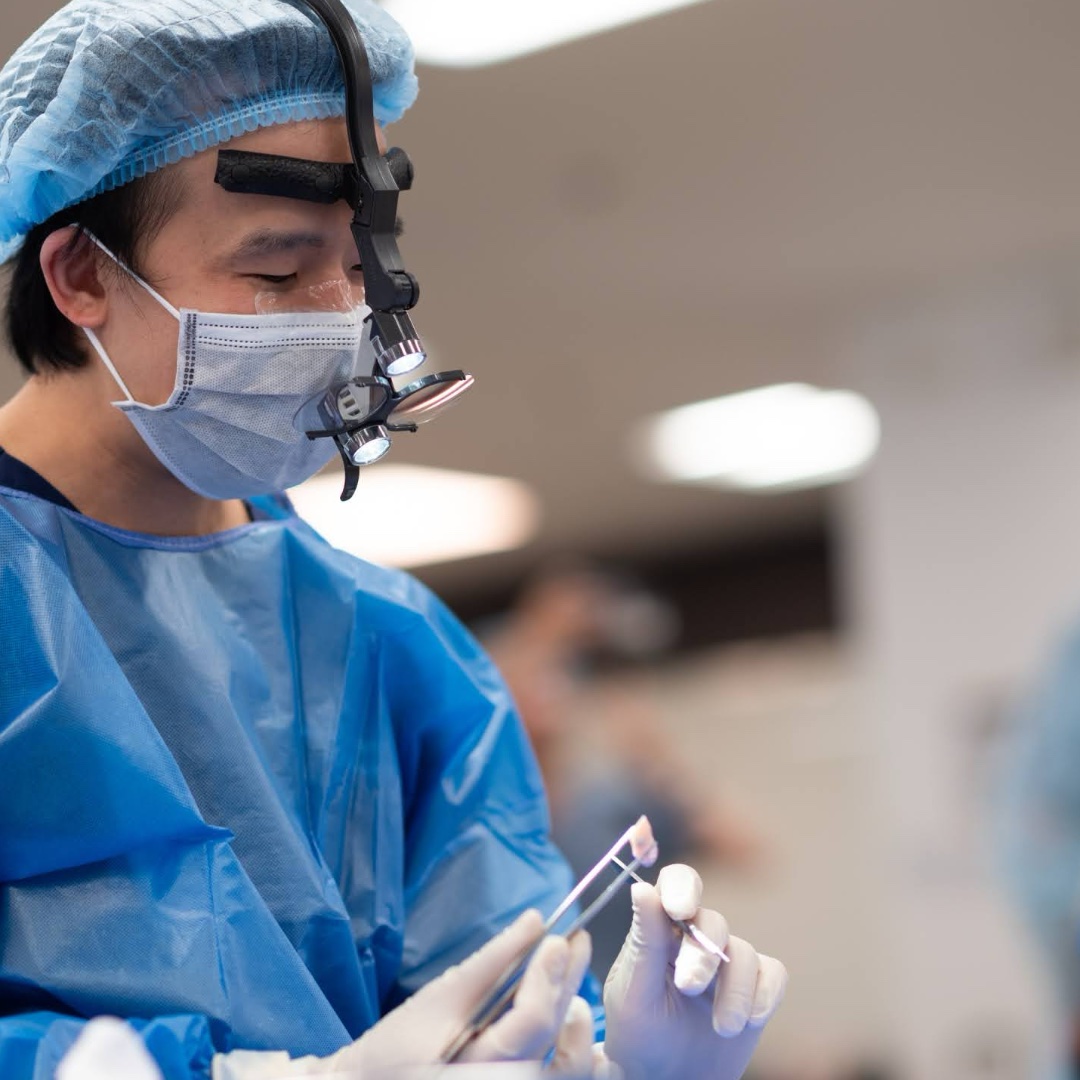
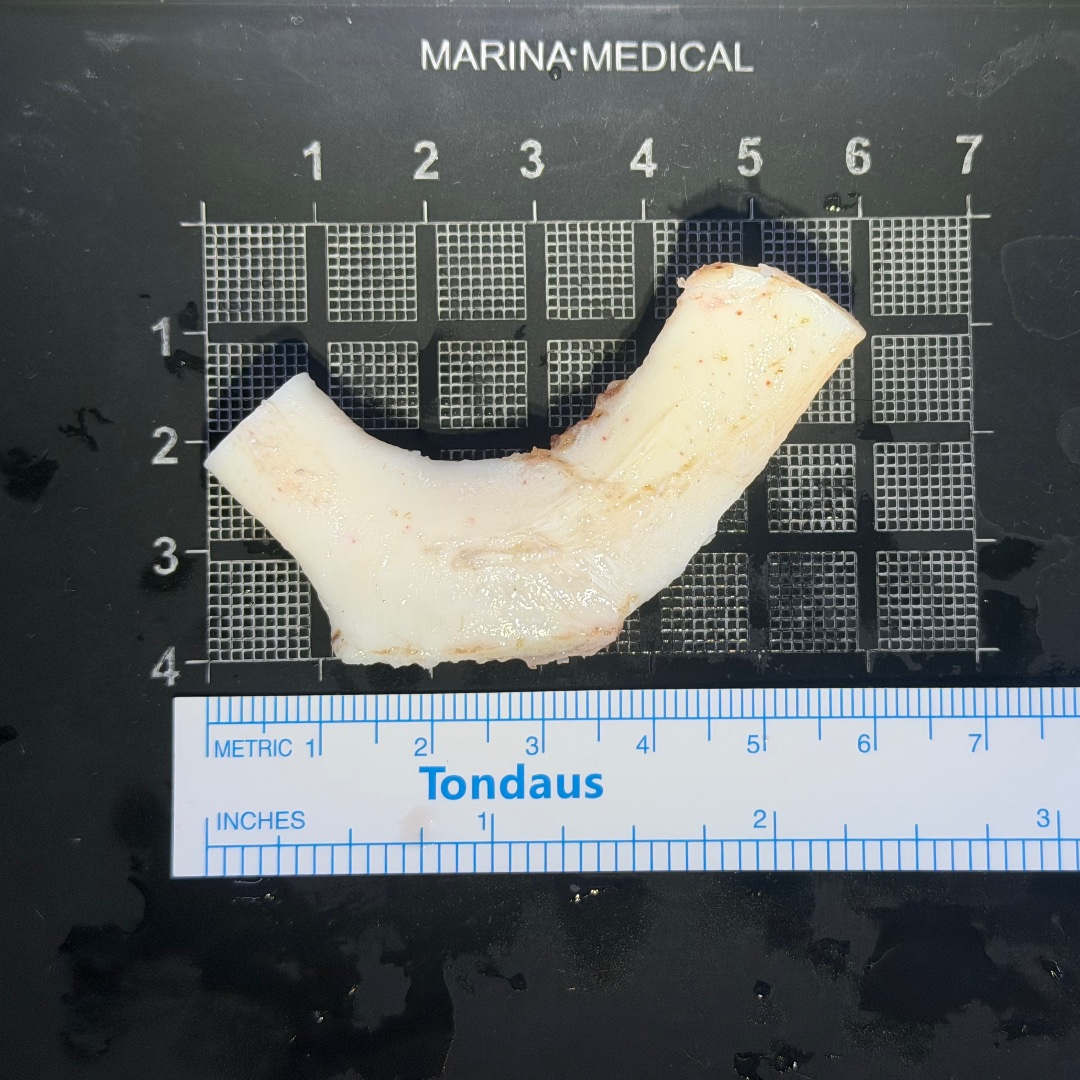
SURGICAL APPROACH & MATERIALS
The surgical approach and materials are selected according to the structure of the nose and the goals of each patient.
Dr. Joe uses an open approach to assess and modify the nasal framework directly.
Understand open rhinoplastyRib cartilage may be used when additional structural support or reshaping is needed.
Understand costal cartilage grafting and harvestIn selected cases, an implant may be used alone or together with the patient’s own cartilage.
The technique is chosen as part of the surgical plan, not before the anatomy has been assessed.
RECOVERY
Swelling, bruising, congestion, and temporary numbness are common early after rhinoplasty. Most swelling improves over the first few weeks, while tip swelling may take several months to settle.
Follow-up visits are used to monitor healing and guide return to normal activities.
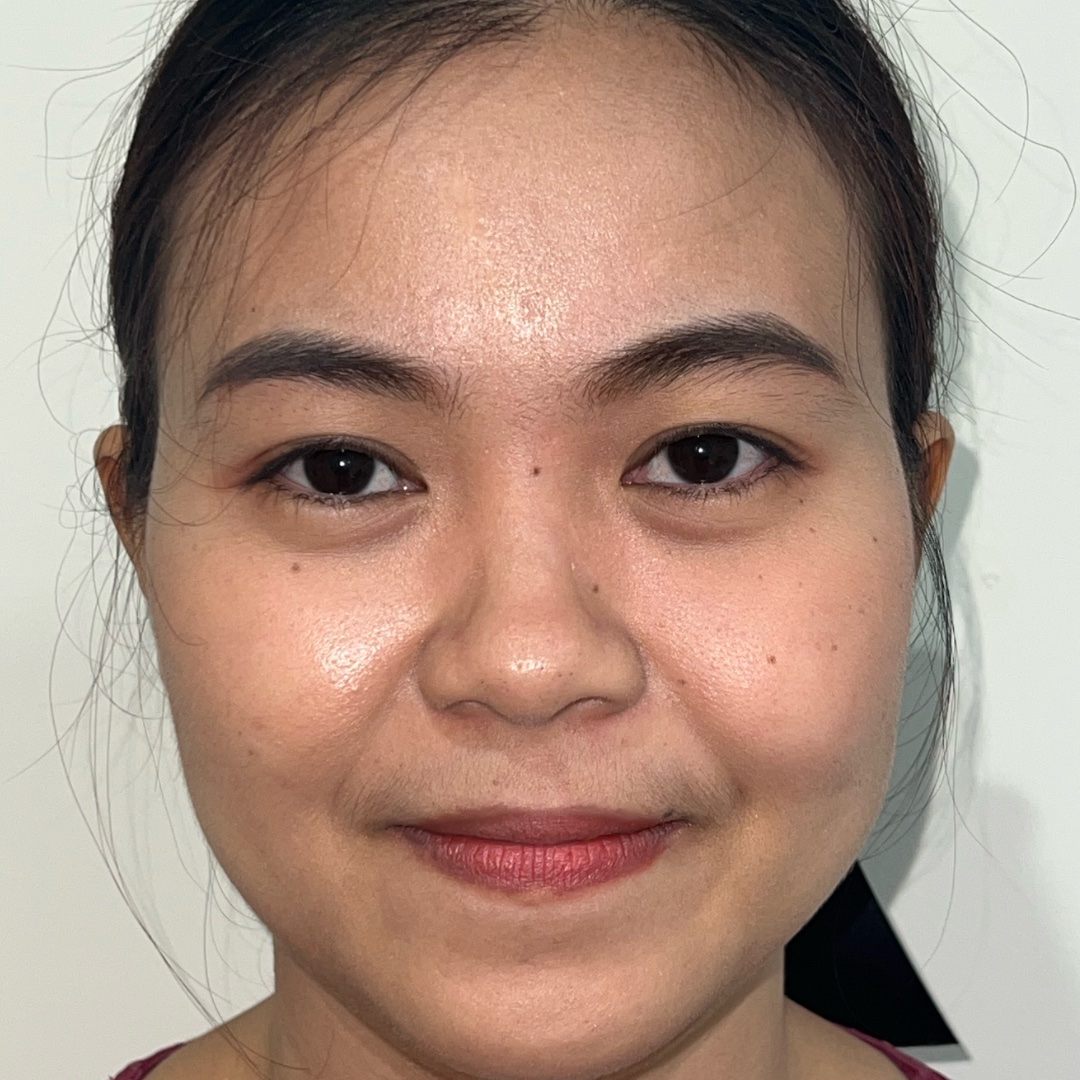
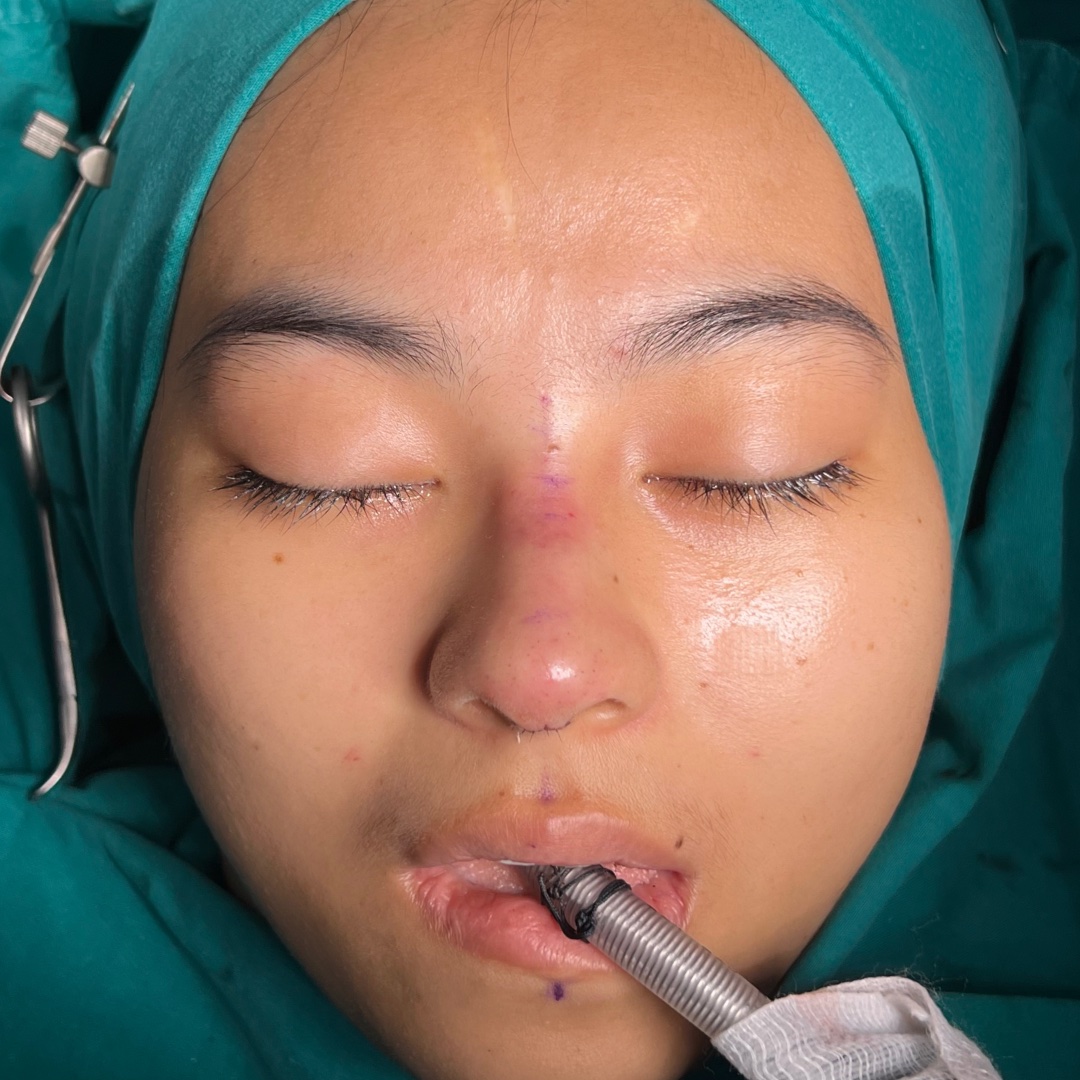
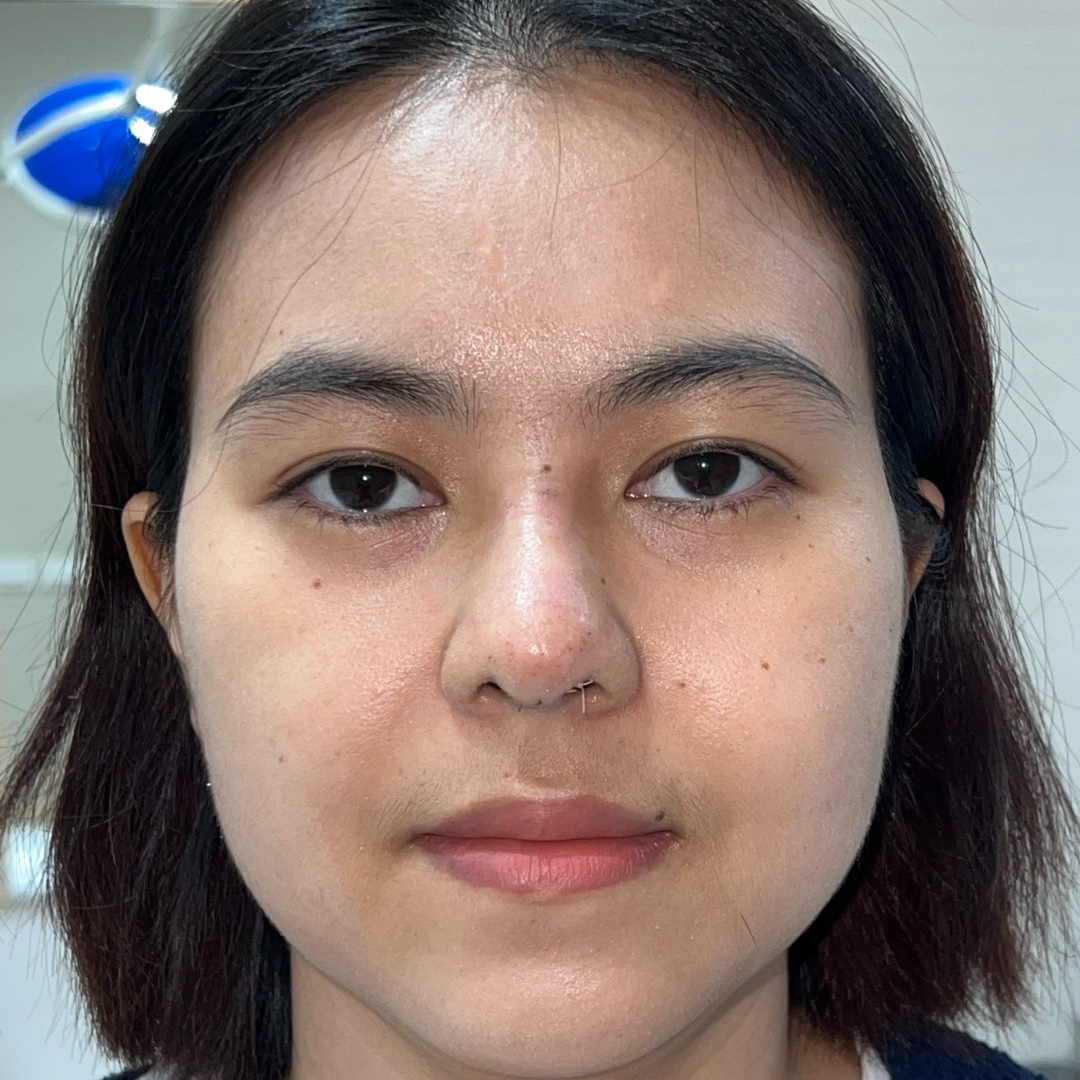
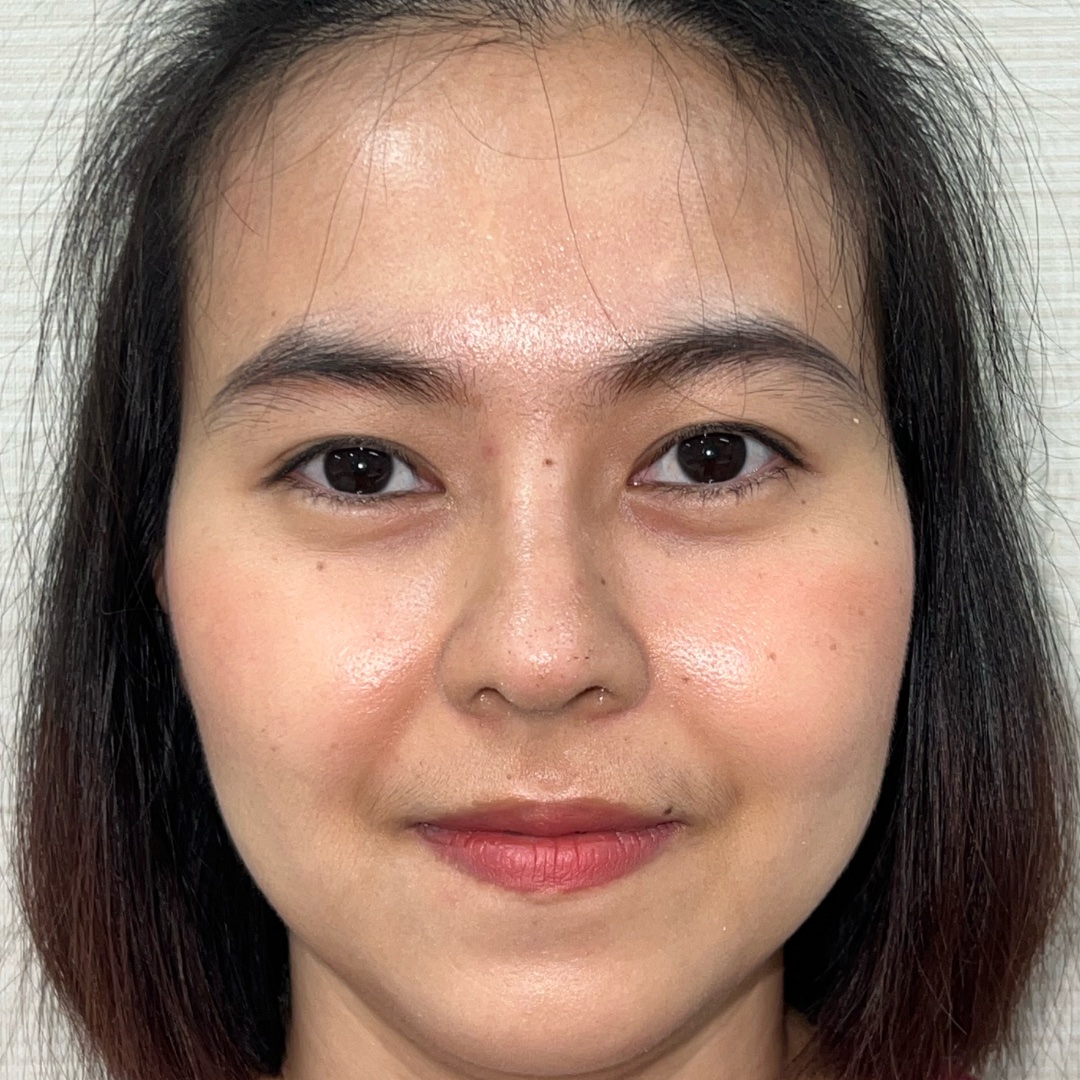
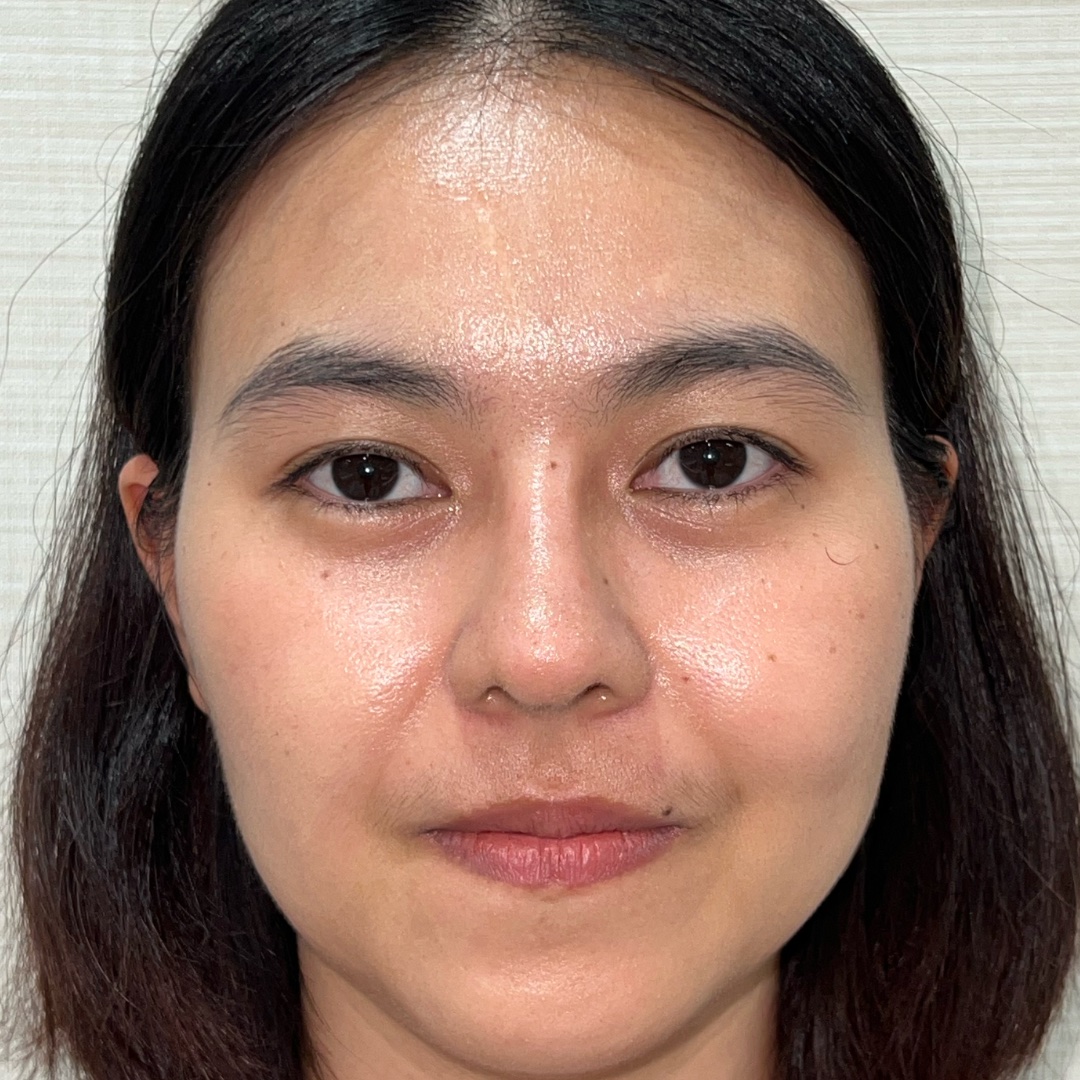
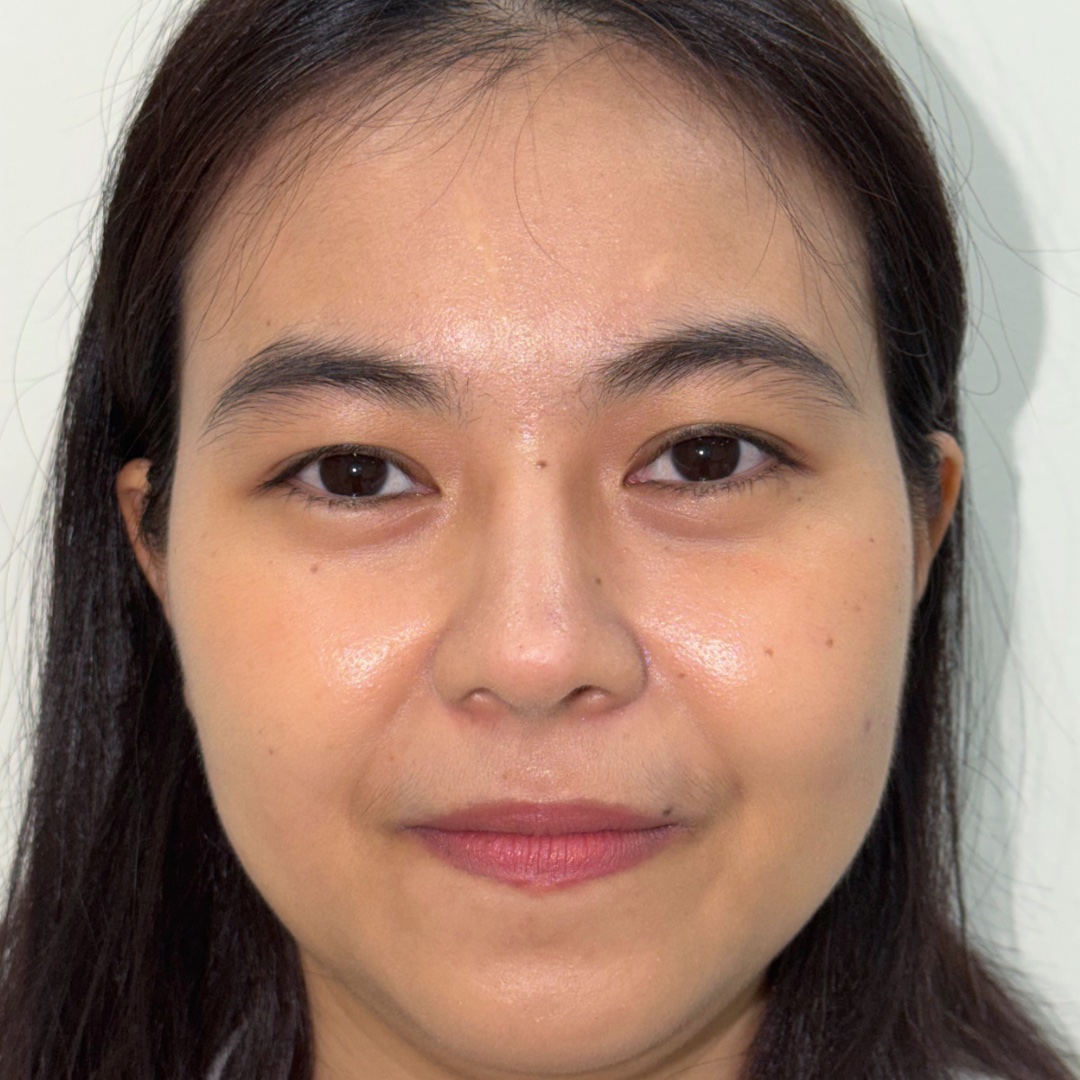

Recovery varies between patients. These images show healing from before surgery through 13 months.
RISKS & LIMITATIONS
Rhinoplasty carries general surgical and anaesthetic risks. Specific risks may include bleeding, infection, scarring, asymmetry, contour irregularity, persistent swelling, altered sensation, breathing changes, and the possibility of revision. Cartilage harvest or implants may add donor-site or material-related risks.
Healing varies, and surgery cannot guarantee a particular shape or perfect symmetry.
RELATED PATIENT RESULTS
Patient results are presented together with the procedures performed and the follow-up period to provide clinical context.
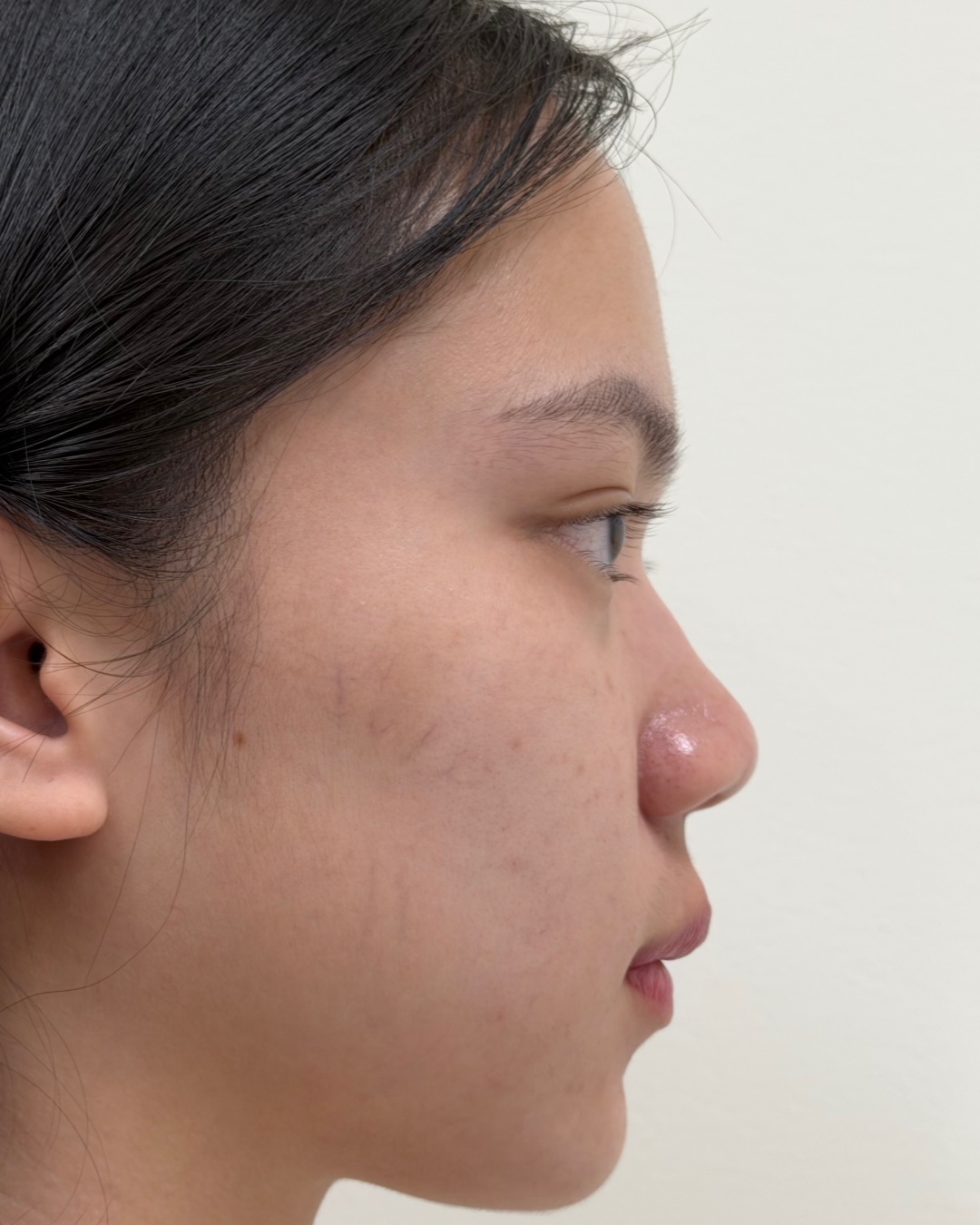
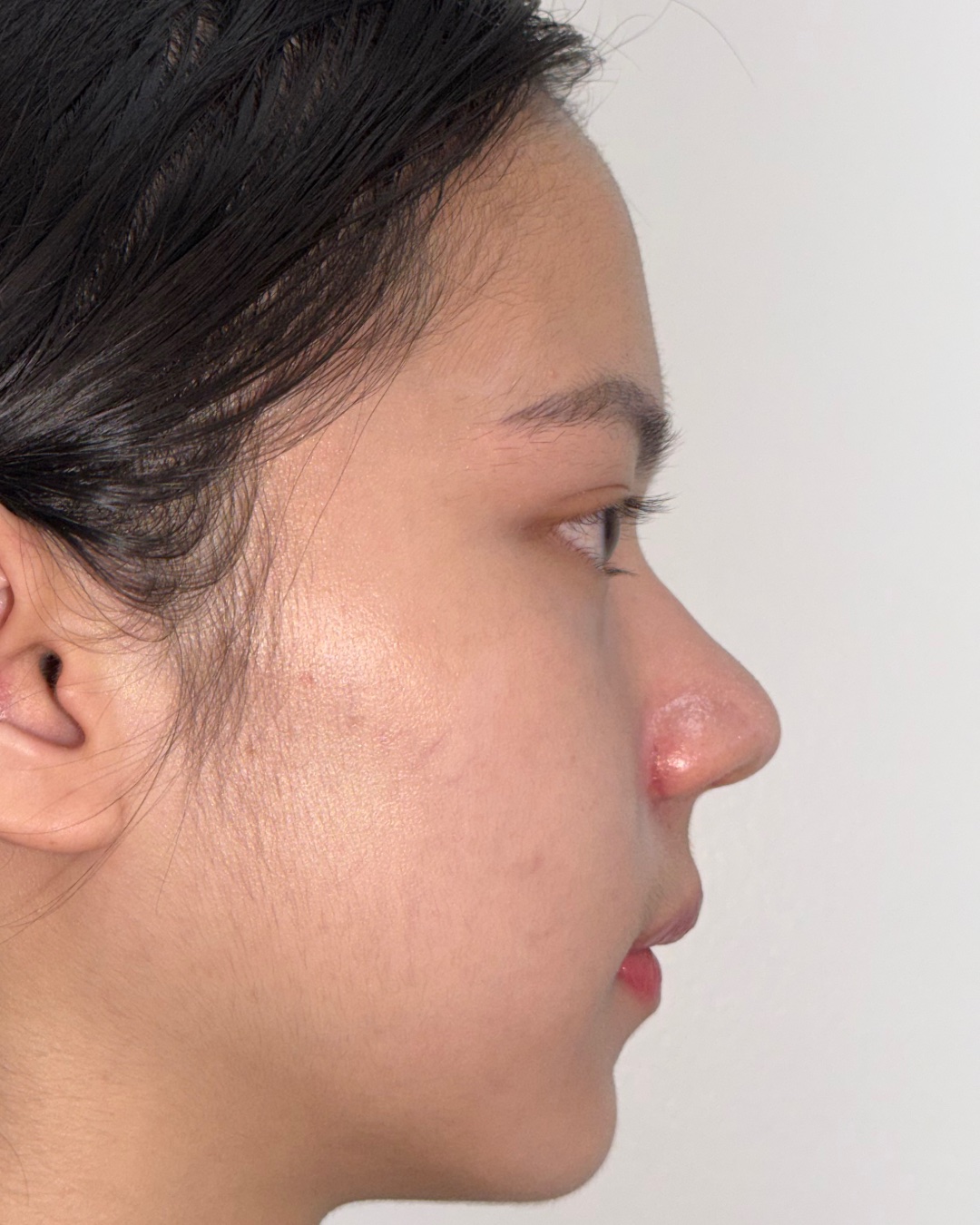
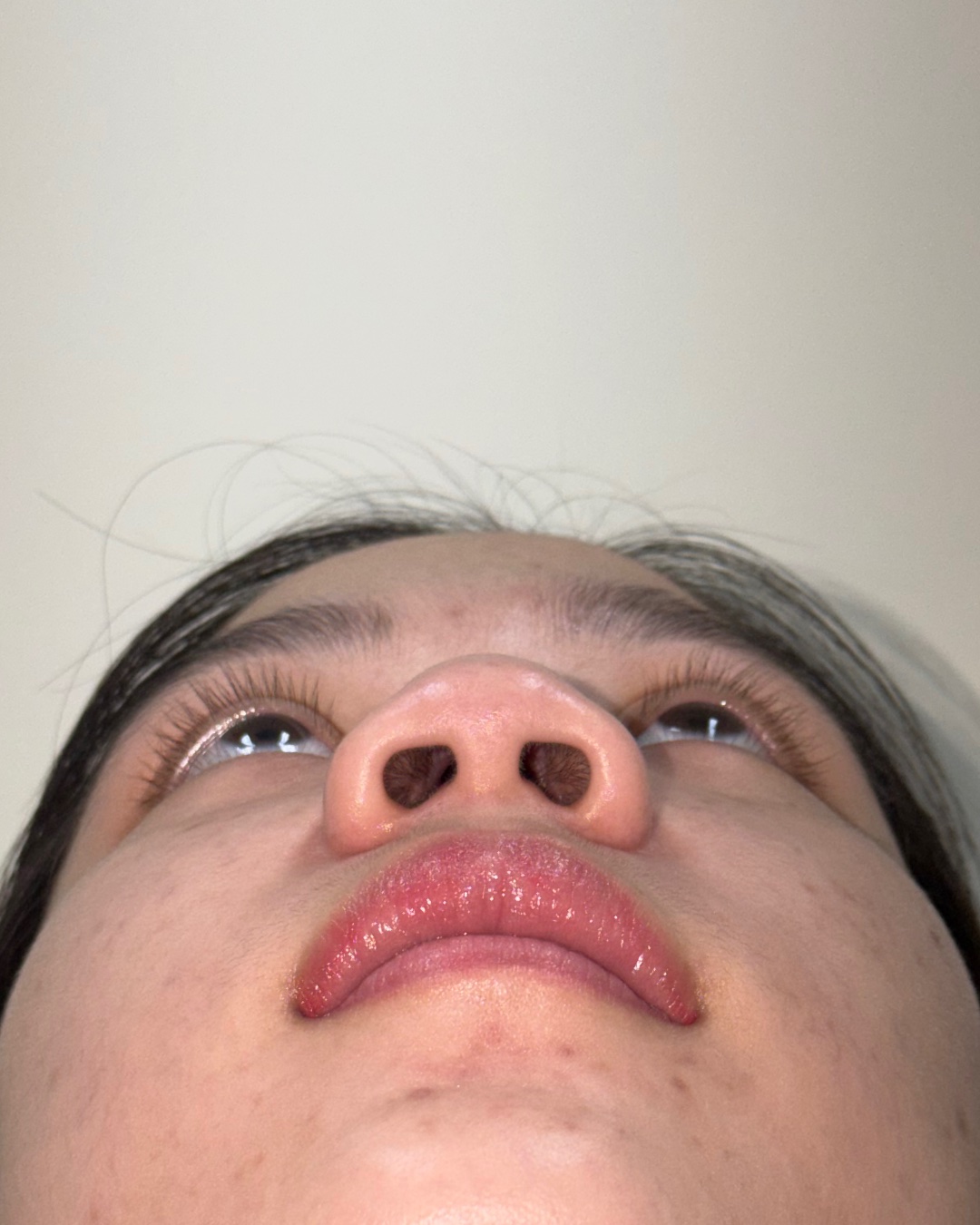
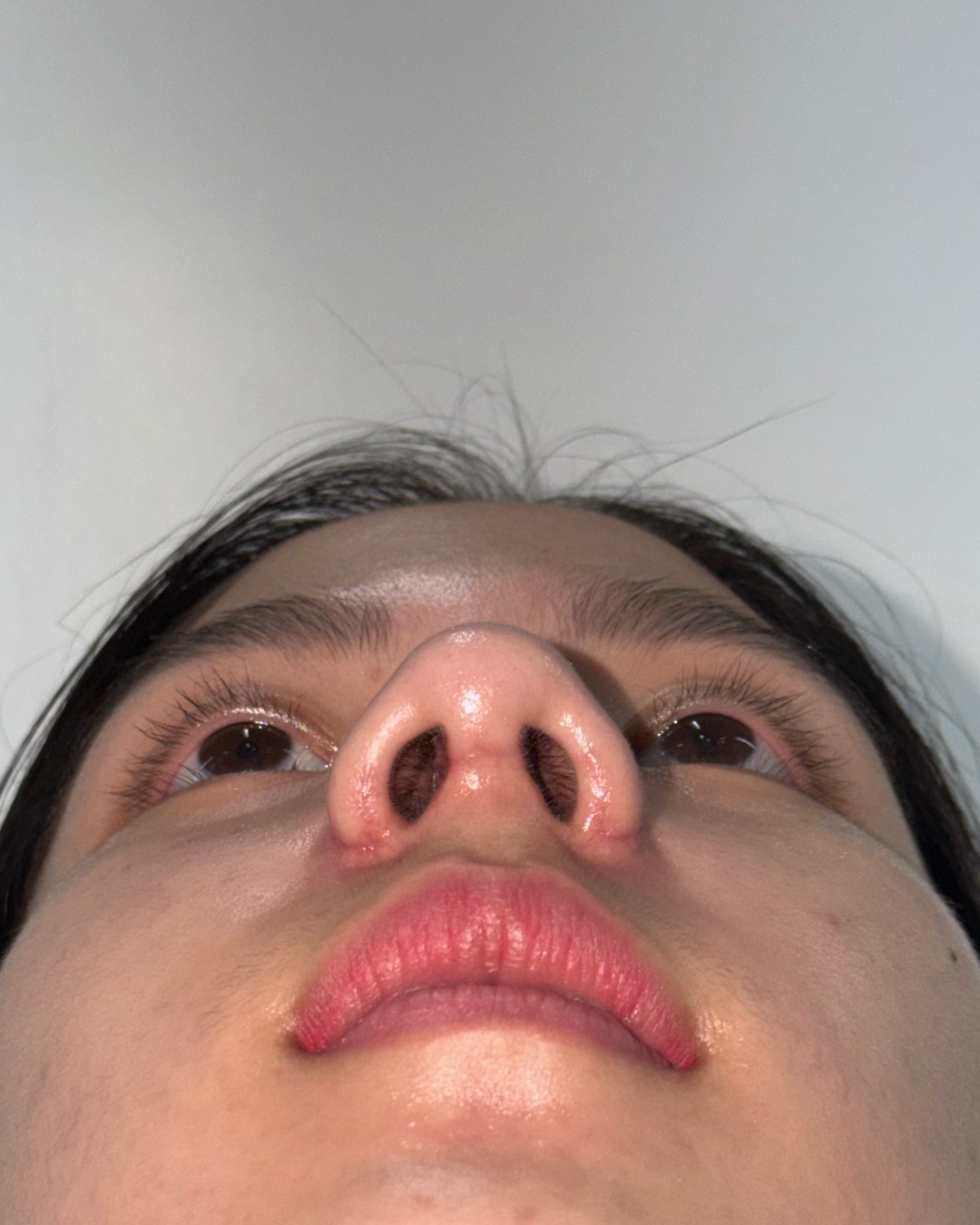
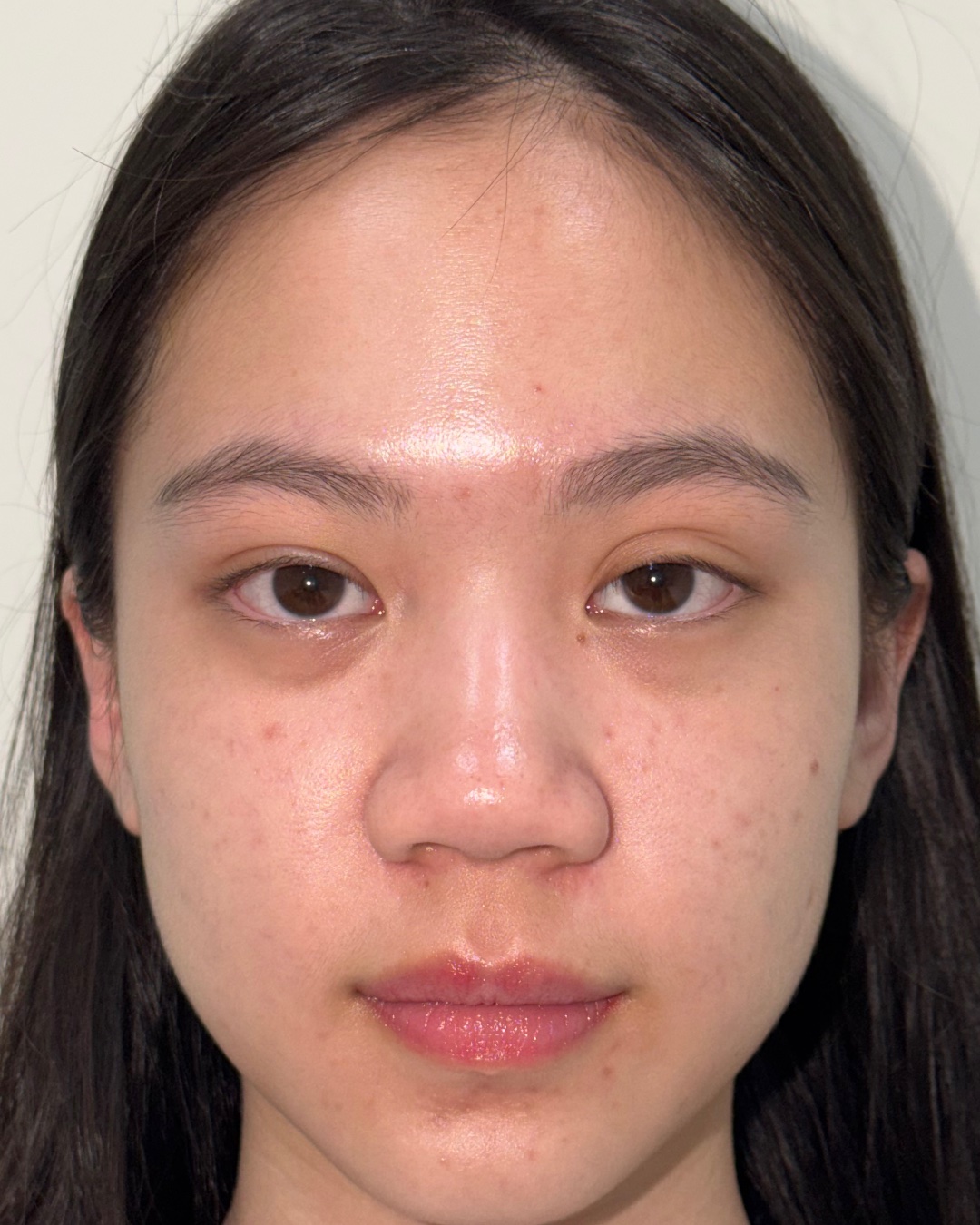
Before and 2-month follow-up photographs shown across matched front, oblique, profile and base views.
RELATED PATHWAYS
CONSULTATION
Consultation reviews your goals, nasal anatomy, medical history, and any breathing concerns. Dr. Joe will discuss appropriate options, limitations, and risks based on your individual assessment.
Request Consultation